 30 citations
,
December 2001 in “Journal of The European Academy of Dermatology and Venereology”
30 citations
,
December 2001 in “Journal of The European Academy of Dermatology and Venereology” Hormonal therapy is a good option for women with severe acne, especially when there's a chance of hormone imbalance.
 August 2013 in “Fertility and Sterility”
 High levels of fatty acids are linked to increased androgen production and inflammation in women with PCOS, which may affect IVF outcomes.
4 citations
,
July 1983 in “Journal of steroid biochemistry/Journal of Steroid Biochemistry” Certain hormones can reduce skin oil and hair growth, potentially helping treat acne and excessive hair in women.
 305 citations
,
February 2007 in “Hormone and metabolic research”
305 citations
,
February 2007 in “Hormone and metabolic research” Human skin makes sexual hormones that affect hair growth, skin health, and healing; too much can cause acne and hair loss, while treatments can manage these conditions.
 403 citations
,
November 2005 in “Journal of Endocrinology”
403 citations
,
November 2005 in “Journal of Endocrinology” Dehydroepiandrosterone (DHEA) is a prohormone important for producing sex steroids and has potential health benefits.
 1 citations
,
March 2011 in “Informa Healthcare eBooks”
1 citations
,
March 2011 in “Informa Healthcare eBooks” Hormonal therapy is effective for treating acne in adult women, especially with signs of high androgen levels.
91 citations
,
March 2021 in “Molecular and Cellular Endocrinology” CYP11A1 is crucial for skin health and disease by producing important steroids.
 23 citations
,
June 2006 in “Journal of Investigative Dermatology”
23 citations
,
June 2006 in “Journal of Investigative Dermatology” Men with baldness have higher levels of specific proteins, suggesting local hormone production may play a role in hair loss.
 45 citations
,
April 2018 in “Nature Reviews Urology”
45 citations
,
April 2018 in “Nature Reviews Urology” Male genital development is driven by androgen signaling and understanding it could help address congenital anomalies.
108 citations
,
April 2004 in “Medicinal Research Reviews” Steroid sulfatase inhibitors could help treat hormone-related disorders and cancers.
 25 citations
,
June 2014 in “Journal of Endocrinology/Journal of endocrinology”
25 citations
,
June 2014 in “Journal of Endocrinology/Journal of endocrinology” Human sebaceous glands contain enzymes that affect androgen production and may influence sebum production and acne.
 1 citations
,
January 2003 in “Expert Opinion on Therapeutic Patents”
1 citations
,
January 2003 in “Expert Opinion on Therapeutic Patents” Steroid sulfatase inhibitors could potentially treat hormone-related disorders like certain cancers, hair loss, acne, and improve cognitive dysfunction.

Androgenetic alopecia, or hair loss, is caused by genetic factors and hormones, with different mechanisms in men and women, and can be linked to insulin resistance and polycystic ovary syndrome.
 47 citations
,
August 2000 in “Endocrine Reviews”
47 citations
,
August 2000 in “Endocrine Reviews” The document concludes that more research is needed to understand excessive hair growth in women with normal hormone levels and regular ovulation.
January 2013 in “Вестник Томского государственного университета. История” Children's scalp hair may naturally rest without causing hair loss, but androgens might increase this, leading to hair loss.
56 citations
,
December 2002 in “The Journal of Clinical Endocrinology & Metabolism” Human bone cells mainly produce a type 1 enzyme that may help regulate bone health.

Women with a certain type of hair loss have more copper in the back of their head than the front, and treatment can normalize hair but not copper levels.
 43 citations
,
August 2010 in “Expert Opinion on Investigational Drugs”
43 citations
,
August 2010 in “Expert Opinion on Investigational Drugs” Inhibitors of 11β-HSD1 show potential for treating type 2 diabetes but require more testing for safety and effectiveness.
 January 2026 in “Frontiers in Cellular Neuroscience”
 Neurosteroids like neuro-estrogen and neuro-androgen are crucial for brain function and can improve cognition and protect against aging-related decline.
 17 citations
,
August 2007 in “Bioorganic & Medicinal Chemistry Letters”
17 citations
,
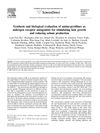
August 2007 in “Bioorganic & Medicinal Chemistry Letters” A compound made by Pfizer can potentially stimulate hair growth and reduce oil production, making it a good candidate for topical use.
 14 citations
,
August 2007 in “Bioorganic & Medicinal Chemistry Letters”
14 citations
,
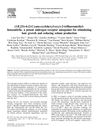
August 2007 in “Bioorganic & Medicinal Chemistry Letters” The compound (1R,2S)-4-(2-Cyano-cyclohexyl-oxy)-2-trifluoromethyl-benzonitrile can stimulate hair growth and reduce oil production when applied topically.
 11 citations
,
May 2010 in “Journal of Medicinal Chemistry”
11 citations
,
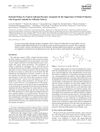
May 2010 in “Journal of Medicinal Chemistry” A new compound was created in 2010 that can control oil production when applied to the skin, and its effects are completely reversible after two weeks.
 56 citations
,
October 2018 in “Journal of The American Academy of Dermatology”
56 citations
,
October 2018 in “Journal of The American Academy of Dermatology” Androgens play a complex role in skin conditions like acne and hair loss in women, and normal blood levels don't always show true androgen status.
 18 citations
,
October 2014 in “Experimental Dermatology”
18 citations
,
October 2014 in “Experimental Dermatology” Local skin glucocorticoid production is crucial for healthy skin, and its disruption can lead to skin diseases.
 December 2023 in “Frontiers in endocrinology”
 Excess androgens may cause PCOS, not just be a symptom.
 11 citations
,
February 2016 in “Current Medicinal Chemistry”
11 citations
,
February 2016 in “Current Medicinal Chemistry” New treatments for prostate cancer and BPH show promise, including novel compounds that target hormone synthesis and response.
 100 citations
,
September 2017 in “Molecular and Cellular Endocrinology”
100 citations
,
September 2017 in “Molecular and Cellular Endocrinology” Male hormones and their receptors play a key role in hair loss and skin health, with potential new treatments being explored.
 28 citations
,
May 2013 in “The Journal of Steroid Biochemistry and Molecular Biology”
28 citations
,
May 2013 in “The Journal of Steroid Biochemistry and Molecular Biology” Testosterone therapy can improve sexual desire and function in postmenopausal women but should be used cautiously and not based solely on testosterone levels.
 September 2014 in “Springer eBooks”
 Men and women experience skin aging differently due to changes in sex hormone levels with age.
 40 citations
,
January 1994 in “Skin Pharmacology and Physiology”
40 citations
,
January 1994 in “Skin Pharmacology and Physiology” Male hormones affect oil-producing skin cells differently based on their body location, and the drug spironolactone can reduce these effects.