3 citations
,
January 2020 in “JAAD Case Reports” A girl had two rare hair conditions that helped understand their overlap.
April 2019 in “Progress in Crystal Growth and Characterization of Materials” Hair grows like a crystal at a solid-liquid interface without cell division.
86 citations
,
June 1998 in “Journal of Investigative Dermatology” The hairless gene mutation causes baldness by disrupting hair follicle structure.
 1 citations
,
January 2002 in “Dermatology + psychosomatics”
1 citations
,
January 2002 in “Dermatology + psychosomatics” Most people worried about abnormal hair loss actually have psychological issues like depression or anxiety.
June 2011 in “European Journal of Pediatric Dermatology” An 11-year-old girl with hair thinning was diagnosed with monilethrix and early androgenetic alopecia.
 12 citations
,
February 2006 in “Lipids”
12 citations
,
February 2006 in “Lipids” Hair texture changes with age due to varying levels of lipids.
Mutations in the hairless protein gene cause hair loss.
 24 citations
,
September 1997 in “PubMed”
24 citations
,
September 1997 in “PubMed” Loose anagen hair can appear at any age and may improve over time.
 25 citations
,
October 1996 in “Dermatologic Clinics”
25 citations
,
October 1996 in “Dermatologic Clinics” Loose Anagen Syndrome causes easy-to-pull, thin hair, mainly in young girls, and improves with age.
November 2025 in “Journal of Investigative Dermatology” Disrupted cell interactions in hair follicles contribute to hair loss in androgenetic alopecia.
December 1978 in “Indian Journal of Otolaryngology and Head & Neck Surgery” 
A genetic variant in the KRT71 gene may cause loose anagen hair and wooly hair, and symptoms might improve with age.
June 2026 in “British Journal of Dermatology” Menopause often causes hair changes, and many women need better support and information.
 2 citations
,
August 1994 in “Archives of dermatology”
2 citations
,
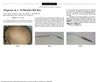
August 1994 in “Archives of dermatology” A 19-month-old boy with a rare hair disorder showed mild improvement with treatment, but his family chose gentle hair care due to limited success.
June 2023 in “Zenodo (CERN European Organization for Nuclear Research)” June 2023 in “Zenodo (CERN European Organization for Nuclear Research)” January 2015 in “Nasza Dermatologia Online” Monilethrix causes fragile, patchy hair loss.
2 citations
,
May 2022 in “Stem cell research & therapy” Disrupted stem cell signals in hairpoor mice cause hair loss.
 63 citations
,
October 1972 in “British Journal of Dermatology”
63 citations
,
October 1972 in “British Journal of Dermatology” Women with thinning hair have thinner hair strands than women without hair loss.
 December 2011 in “British Journal of Dermatology”
 As women age, they experience changes in hair density and volume, face challenges in distinguishing normal hair loss from disease, and have limited access to treatments for hair issues.
 January 2015 in “Springer eBooks”
 Hair health is influenced by genetics, aging, and environmental factors, with proper care needed to maintain it.
 1 citations
,
December 2024 in “Methods in molecular biology”
1 citations
,
December 2024 in “Methods in molecular biology” Hair proteins are complex and provide valuable genetic and biological information.
20 citations
,
August 2003 in “Clinical and Experimental Dermatology” A new genetic mutation in the hairless gene causes a rare hair loss disorder.
November 2022 in “Journal of Investigative Dermatology” A new tool helps study hair follicle cells to develop better treatments for hair disorders.
 January 2014 in “International Journal of Trichology”
 Hair is culturally and economically valuable, and its weight is now used to measure the effectiveness of hair growth treatments.

Open discussions and treatment options for hair loss can boost confidence and reduce distress in young men.
 11 citations
,
September 2012 in “The journal of investigative dermatology/Journal of investigative dermatology”
11 citations
,
September 2012 in “The journal of investigative dermatology/Journal of investigative dermatology” A mutation in the KRT71 gene causes a hair disorder by disrupting hair follicle structure and texture.
January 2022 in “Springer eBooks” January 2010 in “Springer eBooks”