20 citations
,
August 2020 in “Scientific Reports” Low-dose bisphenol A increases prostate size in rats by affecting certain enzymes.
 11 citations
,
August 2019 in “The Journal of Sexual Medicine”
11 citations
,
August 2019 in “The Journal of Sexual Medicine” Women with nonclassic congenital adrenal hyperplasia experience more sexual dysfunction and distress.
 10 citations
,
January 2010 in “PubMed”
10 citations
,
January 2010 in “PubMed” Adjuvants, diet changes, and laser therapy may improve male pattern hair loss.
 9 citations
,
May 2008 in “Journal of Clinical Oncology”
9 citations
,
May 2008 in “Journal of Clinical Oncology” A woman's ovarian tumor causing high testosterone was successfully removed, and her symptoms improved.
 6 citations
,
March 1982 in “Clinical and Experimental Dermatology”
6 citations
,
March 1982 in “Clinical and Experimental Dermatology” The document says that hair loss in women is often due to androgenic alopecia, similar to male baldness, and that hirsutism is treated with hormonal and cosmetic methods.
 5 citations
,
January 2017 in “Acta Endocrinologica”
5 citations
,
January 2017 in “Acta Endocrinologica” High androgen levels in postmenopausal women may suggest an ovarian tumor, and removing it can improve heart and metabolic health.
 5 citations
,
December 2004 in “Dermatology”
5 citations
,
December 2004 in “Dermatology” Two women with very high androgen levels had only slight skin issues, one due to a non-classical adrenal disorder and the other due to an adrenal tumor.
 4 citations
,
August 2013 in “Expert Review of Dermatology”
4 citations
,
August 2013 in “Expert Review of Dermatology” Updated treatments for female hair loss include minoxidil, antiandrogens, hair transplants, and light therapy.
 3 citations
,
December 2011 in “Journal of Gynecologic Surgery”
3 citations
,
December 2011 in “Journal of Gynecologic Surgery” Three to five ovarian punctures are best for improving fertility in women with PCOS without harming the ovaries.
 2 citations
,
September 2009 in “Nurse Prescribing”
2 citations
,
September 2009 in “Nurse Prescribing” PCOS affects many women, causing various symptoms and health risks, and is managed through lifestyle changes, medication, and support groups.
 2 citations
,
September 2004 in “Fertility and sterility”
2 citations
,
September 2004 in “Fertility and sterility” High androgen levels can cause excessive hair growth and may indicate serious health issues, including heart disease and fertility problems.
 1 citations
,
August 2023 in “Curēus”
1 citations
,
August 2023 in “Curēus” Metformin helps reduce PCOS-related infertility by improving insulin sensitivity and inducing ovulation.
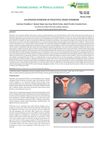 1 citations
,
June 2019 in “Innovare journal of medical sciences”
1 citations
,
June 2019 in “Innovare journal of medical sciences” Polycystic Ovary Syndrome (PCOS) is a hormonal disorder in women that can cause infertility and other health issues, and it may be improved by treatments that increase insulin sensitivity.
 1 citations
,
July 2018 in “Elsevier eBooks”
1 citations
,
July 2018 in “Elsevier eBooks” Heredity and hormones cause common hair loss, and topical minoxidil is the first recommended treatment.
 December 2025 in “International Journal of Innovative Technologies in Social Science”
 Effective treatments for hair loss include minoxidil, 5α-reductase inhibitors, and personalized combination therapies.
 August 2024 in “Archives of Women s Mental Health”
 Women with PCOS have more depression and stress due to high androgen levels, not obesity or insulin resistance.

Men with androgenetic alopecia may have a higher risk of metabolic syndrome.
 September 2023 in “Research Square (Research Square)”
 Evening primrose oil significantly improves hormone levels and reduces BMI and cholesterol in women with PCOS.
 January 2010 in “CNR Solar (Scientific Open-access Literature Archive and Repository) (Consiglio Nazionale delle Ricerche)”
 Metformin and clomiphene citrate together improve pregnancy chances and reduce miscarriages in women with PCOS.
 125 citations
,
January 1999 in “Drugs”
125 citations
,
January 1999 in “Drugs” Finasteride effectively treats baldness but may cause sexual side effects.
 83 citations
,
November 2002 in “British Journal of Dermatology”
83 citations
,
November 2002 in “British Journal of Dermatology” Low iron levels are not directly linked to chronic hair loss and iron supplements may not help.
 53 citations
,
February 2020 in “Expert Opinion on Pharmacotherapy”
53 citations
,
February 2020 in “Expert Opinion on Pharmacotherapy” Finasteride and minoxidil work best together for hair loss.
 45 citations
,
February 2012
45 citations
,
February 2012 Obese women with PCOS are more likely to have fatty liver disease.
 20 citations
,
January 2018 in “Expert Opinion on Drug Safety”
20 citations
,
January 2018 in “Expert Opinion on Drug Safety” Personalized treatment with inhibitors, minoxidil, and laser therapy helps hair loss.
 15 citations
,
July 2020 in “Dermatologic Therapy”
15 citations
,
July 2020 in “Dermatologic Therapy” FPHL is common in women, influenced by genetics and hormones, and can be treated with medications, laser therapy, or hair transplantation.
 15 citations
,
October 2017 in “Dermatologic Clinics”
15 citations
,
October 2017 in “Dermatologic Clinics” New treatments for male hair loss show promise but need more research for safety and effectiveness.
 10 citations
,
December 2015 in “Clinics in Dermatology”
10 citations
,
December 2015 in “Clinics in Dermatology” Diabetes can lead to blindness and skin problems, and managing blood sugar and blood pressure is crucial to prevent these complications.
 7 citations
,
September 2020 in “Journal of Cosmetic Dermatology”
7 citations
,
September 2020 in “Journal of Cosmetic Dermatology” Minoxidil and Finasteride are the most popular hair loss treatments, with rising interest in other options, and economic or health crises can change what treatments people prefer.
 3 citations
,
December 2011 in “Pediatric Dermatology”
3 citations
,
December 2011 in “Pediatric Dermatology” The patient's long-term hair loss was caused by leukemia treatments and low estrogen levels, worsened by her genetic tendency for hair loss.

Current treatments for androgenetic alopecia have limitations, and personalized approaches and new methods are needed for better results.