7 citations
,
February 2017 in “The American journal of medicine” People often have iron deficiency after weight-loss surgery, which can cause symptoms like hair loss and dizziness, and iron levels should be tested to diagnose it.
 October 2025 in “Diseases”
 Women with hair loss often have deficiencies in iron, vitamins, minerals, and lower thyroid function, suggesting the need for nutritional and hormonal treatment.
 August 2023 in “Tzu Chi Medical Journal”
 Iron deficiency is the main cause of hair loss in women, and iron supplements started within 6 months can improve hair health.
 114 citations
,
January 2021 in “medRxiv (Cold Spring Harbor Laboratory)”
114 citations
,
January 2021 in “medRxiv (Cold Spring Harbor Laboratory)” COVID-19 can cause over 50 long-term symptoms, with fatigue and headache being the most common.
 42 citations
,
August 2013 in “International Journal of Women's Health”
42 citations
,
August 2013 in “International Journal of Women's Health” Female pattern hair loss is caused by multiple factors and while treatments like topical minoxidil, hormone therapy, and low-level light therapy can help, none can fully cure it.
 32 citations
,
December 2017 in “International Journal of Molecular Sciences”
32 citations
,
December 2017 in “International Journal of Molecular Sciences” Low vitamin D might be linked to certain types of hair loss, and supplements could help, but more research is needed.
 20 citations
,
May 2016 in “Journal of Cosmetic Dermatology”
20 citations
,
May 2016 in “Journal of Cosmetic Dermatology” Low vitamin D receptor levels found in hair loss patients; topical vitamin D treatment suggested.
14 citations
,
January 2006 in “Journal of Investigative Dermatology” Transferrin receptor expression increases iron in mouse skin cells without causing damage.
11 citations
,
March 2021 in “Cleveland Clinic Journal of Medicine” Treating hair loss in both men and women is effective and improves quality of life.
 4 citations
,
April 2020 in “Journal of Cosmetic Dermatology”
4 citations
,
April 2020 in “Journal of Cosmetic Dermatology” Low vitamin D levels are linked to different types of hair loss.
2 citations
,
July 2022 in “Indian Journal of Dermatology Venereology and Leprology” Early hair greying may increase the risk of heart disease.
 2 citations
,
March 2018 in “Clinical Nutrition ESPEN”
2 citations
,
March 2018 in “Clinical Nutrition ESPEN” Low vitamin D levels are linked to symptoms like muscle cramps, fatigue, and hair loss.
 1 citations
,
February 2022 in “Open Access Macedonian Journal of Medical Sciences”
1 citations
,
February 2022 in “Open Access Macedonian Journal of Medical Sciences” Low zinc levels might contribute to early hair graying.
 December 2025 in “International Journal for Fundamental and Interdisciplinary Research in Homoeopathy.”
 A holistic approach combining homeopathy, Xogen therapy, and lifestyle changes may improve hair loss.
 June 2025 in “Clinical Cosmetic and Investigational Dermatology”
 Gray hair can potentially be managed or reversed with treatments that boost melanin production and address nutritional deficiencies.
 June 2024 in “Journal of Islamic International Medical College”
 Low zinc is linked to all alopecia types, and low copper is linked to male pattern alopecia.
 May 2024 in “International journal of research in dermatology”
 Low vitamin D levels are linked to increased risk of male pattern baldness.
 May 2023 in “Journal of Clinical Medicine”
 New understanding and treatments for hair loss are improving, but more research is needed.
 September 2022 in “Polish Hyperbaric Research”
 Some treatments for hair loss, like finasteride, biotin, and minoxidil, can be effective, but their success varies by individual case.
 April 2022 in “Medicina estética”
 Minoxidil is the only FDA-approved treatment for female hair loss, with other potential treatments needing more research for effectiveness.
 June 2020 in “Medicina estética”
 More research is needed to find effective treatments for Female Pattern Hair Loss.
 June 2020 in “Medicina estética (Madrid)”
 Female pattern hair loss is common and should be treated early to prevent worsening, with Minoxidil being the main approved treatment.
March 2023 in “Anais Brasileiros De Dermatologia” Topical minoxidil is the best-supported treatment for female hair loss, but personalized plans are needed.
 November 2020 in “Acta Scientific Women's Health”
 Low vitamin D levels can significantly contribute to hair loss, especially in women aged 35-45. Correcting these levels early may help prevent and treat this condition.
 July 2021 in “British Journal of Dermatology”
 Low testosterone levels may contribute to female pattern hair loss in men.
January 2026 in “Journal of the Egyptian Womenʼs Dermatologic Society” High levels of HSP70 and IL-15 are linked to more severe alopecia areata.
53 citations
,
July 2014 in “American Journal of Physiology-Endocrinology and Metabolism” Testosterone boosts red blood cell production and changes iron metabolism without needing dihydrotestosterone.
 January 2024 in “Biomedicines”
 Using stem cells from hair follicles to treat female hair loss is safe and effective after six months.
Hair cortisol may help identify adrenal insufficiency in sickle cell disease patients.
 1 citations
,
August 2021 in “Internal Medicine Journal”
1 citations
,
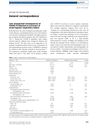
August 2021 in “Internal Medicine Journal” After severe COVID-19, 71% of patients experienced excessive hair shedding and thinning within 3 months due to factors like low oxygen levels, medication, stress, and autoimmune disease.