1 citations
,
December 2013 in “ThinkTech (Texas Tech University)” A low insulinemic diet improves weight, hormone levels, and well-being in women with PCOS.
 18 citations
,
January 2015 in “Journal of obesity and weight loss therapy”
18 citations
,
January 2015 in “Journal of obesity and weight loss therapy” Eating less starch and dairy helped overweight women with PCOS lose weight and improve symptoms.
 14 citations
,
August 2014 in “Applied Physiology, Nutrition, and Metabolism”
14 citations
,
August 2014 in “Applied Physiology, Nutrition, and Metabolism” A low-starch/low-dairy diet may help overweight women with PCOS lose weight and improve metabolism, but more research is needed.
 48 citations
,
February 2008 in “Nutrition in Clinical Practice”
48 citations
,
February 2008 in “Nutrition in Clinical Practice” Dietary changes, including weight loss and a balanced diet, are important for managing PCOS, especially in overweight women.
 August 2024 in “Indian Journal Of Clinical Practice”
 A balanced diet and healthy lifestyle help manage PCOS symptoms.
Diet and supplements can significantly affect acne, with some foods and nutrients reducing and others worsening it.

research Acne
2 citations
,
May 2011 in “Harper's Textbook of Pediatric Dermatology” Acne is a common skin condition linked to diet, hormones, and genetics, and early treatment can prevent scarring.
 15 citations
,
January 2016 in “Przeglad Menopauzalny”
15 citations
,
January 2016 in “Przeglad Menopauzalny” Eating a balanced diet with specific nutrients is important for menopausal women to manage hair loss.
 138 citations
,
July 2015 in “Clinical, Cosmetic and Investigational Dermatology”
138 citations
,
July 2015 in “Clinical, Cosmetic and Investigational Dermatology” Eating less sugar, milk, and saturated fats and more vegetables and fish may help treat and prevent acne.
 October 2024 in “Irish Journal of Medical Science (1971 -)”
 Electrical stimulation with a low-calorie diet reduces appetite, weight, and blood pressure in obese people with sleep apnea.
200 citations
,
August 2009 in “Experimental dermatology” Eating high-glycemic foods and drinking milk may worsen acne by increasing insulin and IGF-1 levels.
 11 citations
,
January 2011 in “Indian Dermatology Online Journal”
11 citations
,
January 2011 in “Indian Dermatology Online Journal” Eating dairy and high glycemic foods may increase the risk of acne.
 4 citations
,
January 2022 in “Open Health”
4 citations
,
January 2022 in “Open Health” Eating healthy, exercising, and changing behaviors are the best first steps to treat Polycystic Ovary Syndrome (PCOS).
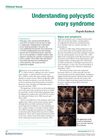 2 citations
,
September 2009 in “Nurse Prescribing”
2 citations
,
September 2009 in “Nurse Prescribing” PCOS affects many women, causing various symptoms and health risks, and is managed through lifestyle changes, medication, and support groups.
 1 citations
,
February 2018 in “InTech eBooks”
1 citations
,
February 2018 in “InTech eBooks” PCOS in lean women is a serious health condition with implications beyond fertility, affecting metabolism and increasing cardiovascular disease risk.
 25 citations
,
March 2000 in “Journal of Endocrinological Investigation”
25 citations
,
March 2000 in “Journal of Endocrinological Investigation” Testosterone therapy aims to treat hormone deficiencies and various conditions safely and effectively, but requires careful patient monitoring due to potential side effects.
 222 citations
,
January 2014 in “International journal of reproductive medicine”
222 citations
,
January 2014 in “International journal of reproductive medicine” Insulin resistance and obesity are key factors in the development and worsening of polycystic ovary syndrome, and lifestyle changes are important for managing it.
 November 2014 in “John Wiley & Sons, Ltd eBooks”
 Eating high-glycemic and dairy foods can increase hormones that may cause acne and other health issues.
 September 2016 in “Princeton University Press eBooks”
 The document concludes that understanding health requires considering evolutionary perspectives on reproductive fitness, and recognizing the complexity of factors like diet, testosterone, and sexual orientation.
54 citations
,
October 2010 in “Clinics in dermatology” Diet, especially dairy and high-sugar foods, can cause acne.
 121 citations
,
April 2008 in “The Journal of Clinical Endocrinology & Metabolism”
121 citations
,
April 2008 in “The Journal of Clinical Endocrinology & Metabolism” Insulin sensitizers may slightly reduce hirsutism but are less effective than other treatments.
 90 citations
,
January 2021 in “Clinical Endocrinology”
90 citations
,
January 2021 in “Clinical Endocrinology” Obesity increases the risk of developing polycystic ovary syndrome, and weight loss can improve the condition.
 89 citations
,
November 2014 in “Medical Clinics of North America”
89 citations
,
November 2014 in “Medical Clinics of North America” Eating 500 fewer calories a day and making lifestyle changes can improve PCOS symptoms and reduce diabetes risk; more research is needed on its causes and treatments.
 30 citations
,
July 2004 in “Fertility and Sterility”
30 citations
,
July 2004 in “Fertility and Sterility” Amenorrhea is when a woman doesn't have periods, with primary amenorrhea starting by age 15 or within five years of breast development, and secondary amenorrhea when periods stop for three months. It affects 3-4% of women not pregnant, breastfeeding, or in menopause, mainly due to polycystic ovary syndrome, hypothalamic amenorrhea, hyperprolactinemia, and ovarian failure.
 March 2025 in “Pakistan Journal of Scientific & Industrial Research Series A Physical Sciences”
 Personalized management and lifestyle changes are key to effectively managing PCOS.
 June 2018 in “Global Journal of Reproductive Medicine”
 Idiopathic hirsutism may be linked to increased skin enzyme activity, and new treatments like laser and eflornithine cream show promise.
 14 citations
,
May 2013 in “American Journal of Physiology-endocrinology and Metabolism”
14 citations
,
May 2013 in “American Journal of Physiology-endocrinology and Metabolism” Removing myelin protein zero-like 3 in mice leads to better metabolism and resistance to obesity.
 28 citations
,
November 2014 in “Current Diabetes Reports”
28 citations
,
November 2014 in “Current Diabetes Reports” Girls with PCOS during adolescence have a higher risk of developing type 2 diabetes, and early treatment can help manage this risk.
 5 citations
,
April 2013 in “Current Problems in Pediatric and Adolescent Health Care”
5 citations
,
April 2013 in “Current Problems in Pediatric and Adolescent Health Care” The document concludes that early and personalized treatment for PCOS in adolescents is crucial to manage symptoms and prevent long-term health issues.
 59 citations
,
August 2004 in “Human Reproduction Update”
59 citations
,
August 2004 in “Human Reproduction Update” Testosterone replacement can help women with low libido and mood, but they need to have enough estrogen first to avoid side effects.