23 citations
,
October 2024 in “British Journal of Dermatology” Ritlecitinib effectively treats alopecia areata and is safe for long-term use in people 12 and older.
April 2022 in “Microbiology and Immunology” A specific DNA pattern in Malassezia restricta may be linked to hair loss in men.
 17 citations
,
December 2010 in “Journal of Investigative Dermatology”
17 citations
,
December 2010 in “Journal of Investigative Dermatology” Flightless I protein affects hair growth, with low levels delaying it and high levels increasing hair length in rodents.
5 citations
,
July 2014 in “Molecular Biology Reports” 12 citations
,
March 2012 in “JEADV. Journal of the European Academy of Dermatology and Venereology/Journal of the European Academy of Dermatology and Venereology” A specific gene mutation in Japanese people can cause varying degrees of hair thinning in adulthood.
1 citations
,
October 2025 in “International Journal of Dermatology” Ritlecitinib improves emotional well-being and activity levels in alopecia areata patients.
55 citations
,
April 2008 in “Clinical Genetics” A new mutation in the ST14 gene was found in a patient with ARIH syndrome, showing milder symptoms and no tooth issues.
39 citations
,
December 1998 in “Journal of Cell Science” The LEF-1 binding site enhances gene expression in hair follicles, with other proteins aiding specific regulation.
 February 2025 in “Biomolecules”
 RORA boosts autophagy in hair follicle stem cells, potentially aiding hair growth.
IL-18 signaling helps mature Tregs move into the thymus.
The protein's size was reduced, but more work is needed to confirm its function.
9 citations
,
January 2014 in “Molecular Genetics and Metabolism Reports” The rhg mutation in mice affects the Oat gene, causing hair growth issues and other symptoms.
71 citations
,
May 2024 in “New England Journal of Medicine” Ruxolitinib may effectively treat APS-1 by reducing harmful immune responses.
37 citations
,
August 2011 in “Journal of Bone and Mineral Research” A girl had rickets due to a gene mutation affecting vitamin D response.
 31 citations
,
October 2010 in “Progress in lipid research”
31 citations
,
October 2010 in “Progress in lipid research” LPA3 is crucial for embryo implantation and links LPA to prostaglandin signaling.
1 citations
,
May 2022 in “International journal of molecular sciences” Faulty LEF1 activation causes faster skin cell differentiation in premature aging syndrome.
1 citations
,
August 2024 in “British Journal of Dermatology” Ritlecitinib effectively promotes hair regrowth in alopecia areata patients, even with extensive hair loss.
MLO proteins are crucial for root hair growth by regulating calcium and ROS levels.
48 citations
,
July 2023 in “Pediatric Dermatology” Ritlecitinib effectively regrows hair in adolescents with alopecia areata and is safe.
2 citations
,
June 2024 in “Dermatology” Ritlecitinib improves hair regrowth satisfaction in alopecia areata patients.
Ritlecitinib significantly regrows scalp hair in people with alopecia areata.
421 citations
,
September 2003 in “Development” Stem cell behavior varies with stimuli, and lineage changes can happen without affecting stem cell division.
 June 2023 in “Medical records-international medical journal”
 Decreased IGF-1R expression may contribute to sacrococcygeal pilonidal sinus development.
37 citations
,
October 2006 in “Archives of Biochemistry and Biophysics” A unique gene mutation causes vitamin D-resistant rickets without causing hair loss.
 4 citations
,
October 2024 in “American Journal of Clinical Dermatology”
4 citations
,
October 2024 in “American Journal of Clinical Dermatology” Ritlecitinib improved hair regrowth and emotional well-being in some alopecia areata patients.
 7 citations
,
February 2023 in “Inflammation and Regeneration”
7 citations
,
February 2023 in “Inflammation and Regeneration” The protein interleukin-1 alpha helps regenerate hair follicles and increase stem cell growth in mice.
 January 2022 in “bioRxiv (Cold Spring Harbor Laboratory)”
 The gp130 receptor helps in tissue regeneration and disease progression, and manipulating it could improve healing and prevent disease.
Ritlecitinib can reduce inflammation and help hair regrow in Alopecia Areata.
24 citations
,
February 2011 in “The American journal of pathology” AIRE protein, defective in APECED patients, is found in skin and hair cells and interacts with cytokeratin 17.
 23 citations
,
December 2013 in “British Journal of Dermatology”
23 citations
,
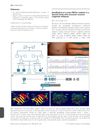
December 2013 in “British Journal of Dermatology” A new gene mutation linked to a skin condition was found in a Spanish family.