 July 2024 in “British journal of dermatology/British journal of dermatology, Supplement”
 A variant in the KRT31 gene causes a rare hereditary hair disorder called monilethrix.
2 citations
,
July 2021 in “Genes” A specific genetic change in the KRT71 gene causes a hair loss condition in Hereford cattle.
 19 citations
,
April 2015 in “Stem Cells”
19 citations
,
April 2015 in “Stem Cells” Pro-IGF-II improves muscle repair in old mice.
17 citations
,
October 2005 in “Journal of Biological Chemistry” Early involution in Hirosaki hairless rats' mammary glands is linked to a unique modification of STAT5A.
July 2021 in “Authorea (Authorea)” Graham-Little Piccardi Lassueur Syndrome is a rare skin condition with specific hair loss and skin symptoms.
 December 2023 in “Communications biology”
 Targeting the HEDGEHOG-GLI1 pathway could help treat keloids.
130 citations
,
January 2000 in “Nature biotechnology” 52 citations
,
July 2011 in “PubMed” TRPS1 is crucial for bone, kidney, and hair follicle development.
224 citations
,
February 2013 in “The Journal of clinical investigation/The journal of clinical investigation” ERG increases SOX9, promoting prostate cancer growth and invasion.
21 citations
,
March 2015 in “Neurological Sciences” A new genetic mutation linked to CARASIL syndrome and small artery disease was found in a Chinese family.
 September 2009 in “European Urology Supplements”
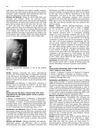
 IGRT resulted in lower acute toxicity for stage III prostate cancer patients.
 September 2023 in “Medicina Estética Revista Científica de la Sociedad Española de Medicina Estética (SEME)”
 The FDA approved Litfulo® for treating severe alopecia areata in people aged 12 and older.
38 citations
,
October 2001 in “British Journal of Dermatology” Keratin K6irs is a marker for the inner root sheath of hair follicles in mice and humans.
1 citations
,
January 2023 in “Pediatric Dermatology” Early diagnosis and teamwork are crucial for managing ILVASC effectively.
November 2024 in “Journal of Investigative Dermatology” February 2026 in “Biomedicine & Pharmacotherapy” MLPH helps hair grow by activating IGF-1 signaling in hair cells.
 3 citations
,
September 2022 in “Animal biotechnology”
3 citations
,
September 2022 in “Animal biotechnology” lncRNA MTC affects protein levels in goat skin cells, impacting hair growth.
5 citations
,
June 2015 in “The Journal of Dermatology” HTLV-1-associated lichenoid dermatitis (HALD) is linked to an immune response against HTLV-1-infected cells.
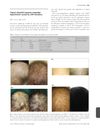
May 2025 in “Immunotherapy” Patients were very satisfied with hair regrowth after taking ritlecitinib for alopecia areata.
 7 citations
,
March 2015 in “British Journal of Dermatology”
7 citations
,
March 2015 in “British Journal of Dermatology” Applying minoxidil can help improve hair growth in people with hair loss caused by LIPH gene mutations.
5 citations
,
July 2024 in “Journal of Microbiology and Biotechnology” ICP5249 helps hair grow by activating a specific cell pathway.

A new syndrome, Teelwani Syndrome, combines features of two rare genetic disorders.
 September 2020 in “Research Square (Research Square)”
 Long noncoding RNAs help regulate hair follicle density in rabbits.
7 citations
,
July 2023 in “Immunotherapy” Ritlecitinib works well and is safe for treating alopecia areata.
409 citations
,
May 1991 in “Genes & Development” TGF-alpha affects skin thickness, hair growth, and may contribute to psoriasis and papilloma formation.
143 citations
,
May 2017 in “Nature cell biology” Wounded skin cells can revert to stem cells and help heal.
126 citations
,
August 2018 in “Molecular Systems Biology” Fibroblast state switching is crucial for skin healing and development.
97 citations
,
June 2013 in “Journal of Dermatological Science” Understanding EGFR's role in skin is crucial for better treatments and managing side effects.
 58 citations
,
August 2015 in “The Indonesian Biomedical Journal”
58 citations
,
August 2015 in “The Indonesian Biomedical Journal” Different types of stem cells help maintain and heal skin.
52 citations
,
February 2012 in “PloS one” Lack of Ctip2 in skin cells delays wound healing and disrupts hair follicle stem cell markers in mice.