 1 citations
,
March 2021 in “Dermatological reviews”
1 citations
,
March 2021 in “Dermatological reviews” AGA, a common hair loss, is caused by genetics, hormones, age, and environmental factors.
 1 citations
,
November 2020 in “Journal of The American Academy of Dermatology”
1 citations
,
November 2020 in “Journal of The American Academy of Dermatology” PRP helps treat hair loss effectively with natural methods.
 1 citations
,
March 2020 in “International journal of reproduction, contraception, obstetrics and gynecology”
1 citations
,
March 2020 in “International journal of reproduction, contraception, obstetrics and gynecology” The study concluded that the most common skin problems in women with PCOS are excess hair, acne, oily skin, hair loss, dark skin patches, and skin tags.
 1 citations
,
March 2020 in “Australasian Journal of Dermatology”
1 citations
,
March 2020 in “Australasian Journal of Dermatology” The paper concludes that recognizing bitemporal alopecia areata is important for early treatment and preventing its progression.
 1 citations
,
September 2019 in “Practica medicală”
1 citations
,
September 2019 in “Practica medicală” Hair loss is linked to heart disease and metabolic syndrome, and while current treatments vary in effectiveness, more research is needed for better solutions.
 1 citations
,
September 2017 in “Journal of Investigative Dermatology”
1 citations
,
September 2017 in “Journal of Investigative Dermatology” Hair care products reduced hair roughness, a combination of Stemoxydine and Resveratrol increased hair density, fermented mackerel oil promoted hair growth, and genes TERT and Bmi-1 helped create new hair follicles.
 1 citations
,
August 2017
1 citations
,
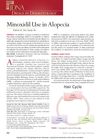
August 2017 Minoxidil helps stimulate hair growth and enlarge small follicles in common hair loss, but doesn't stop it, and its effects can be boosted when combined with finasteride.
 1 citations
,
November 2016 in “Journal of the Dermatology Nurses’ Association”
1 citations
,
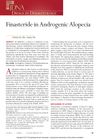
November 2016 in “Journal of the Dermatology Nurses’ Association” Finasteride treats hair loss but may cause side effects like low libido and dizziness.
 1 citations
,
July 2016 in “International Journal of Dermatology”
1 citations
,
July 2016 in “International Journal of Dermatology” Androgenetic alopecia is less common in Chilean Mapuche than Caucasians, but more common than Asians, with racial differences in prevalence and types.
 1 citations
,
October 2015 in “CRC Press eBooks”
1 citations
,
October 2015 in “CRC Press eBooks” Nutricosmetics with active ingredients can help with hair loss and improve hair growth.
 1 citations
,
January 2010
1 citations
,
January 2010 Mesotherapy is more effective than topical spray for female hair loss treatment.
 1 citations
,
April 2009 in “Cochrane Database of Systematic Reviews”
1 citations
,
April 2009 in “Cochrane Database of Systematic Reviews” Review finds no permanent solution for female hair loss.
 1 citations
,
January 2009 in “Cochrane Database of Systematic Reviews”
1 citations
,
January 2009 in “Cochrane Database of Systematic Reviews” Review determines effective, safe treatments for female hair loss.
 1 citations
,
January 2008 in “Actas Dermo-Sifiliográficas”
1 citations
,
January 2008 in “Actas Dermo-Sifiliográficas” Treat hair loss in postmenopausal women with diet, avoiding certain drugs, and using medications like minoxidil or finasteride.
 1 citations
,
July 1996 in “Clinical and Experimental Dermatology”
1 citations
,
July 1996 in “Clinical and Experimental Dermatology” Routine thyroid tests for diffuse alopecia in women may not be necessary, but checking for iron deficiency anemia could be useful.
 1 citations
,
June 1987 in “British Journal of Dermatology”
1 citations
,
June 1987 in “British Journal of Dermatology” Patterned hair loss is relatively common in women and not usually a sign of serious health issues.
1 citations
,
May 1983 in “Acta dermato-venereologica” The hairpiece matted due to weathered hair after shampooing.
 June 2026 in “Research Square”
 Vitamin D may help with certain types of hair loss in women.
 March 2026 in “Journal of Pakistan Association of Dermatologists”
 Many women with PCOS have hair loss, linked to age, hirsutism, sleep issues, and smoking.
 March 2026 in “Open MIND”
 PRP and microneedling improve hair growth in early-stage alopecia, but effects reverse if treatment stops.
 February 2026 in “Annals of dermatological science.”
 Stem cells can effectively regrow hair in women with hair loss.
The DNS FUE technique offers discreet hair transplants with high satisfaction and low damage rates.
 December 2025 in “IP Indian Journal of Clinical and Experimental Dermatology”
 Androgenetic alopecia treatments are becoming more personalized and include new therapies like topical antiandrogens and regenerative strategies.
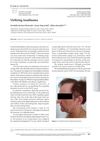 August 2025 in “Endokrynologia Polska”
 A rare pancreatic tumor caused a woman's male-like features, treated successfully with surgery and medication.
 June 2025 in “Mağallaẗ ʻulūm al-rāfidayn”
 New pyrazole derivatives may help treat hair loss, but more testing is needed.
 April 2025 in “International Journal of Clinical Research and Reports”
 Lifestyle changes can significantly improve hair loss in overweight women with PCOS.
 December 2024 in “Archives of Clinical & Experimental Dermatology”
 Combining stem cells with minoxidil improves hair growth more than minoxidil alone.
 November 2024 in “Benha Journal of Applied Sciences”
 Reduced alpha smooth muscle actin may cause hair loss in androgenetic alopecia.

Mesenchymal stem cell-derived exosomes significantly increase hair density and thickness in androgenic alopecia patients.
 May 2024 in “Medicine today”
 Older age, family history, and low iron levels increase the risk of female hair loss.