July 2023 in “International journal of physiology” Hypertrichosis lanuginosa causes excessive fine hair growth, often linked to genetics or cancer, with limited treatment options.
 November 2023 in “Food science of animal resources”
 Lactilactobacillus curvatus LB-P9 taken orally helps hair regrow faster and thicker in mice.
December 2024 in “Food Bioscience” Limosilactobacillus fermentum MF10 helps hair grow by activating certain cell signals in mice.
 September 2022 in “Frontiers in genetics”
 A Chinese male with a new genetic mutation has a skin condition and severe urinary issues, with treatments having mixed success.
 October 2024 in “International Journal For Multidisciplinary Research”
 Wedelolactone may help treat chronic diseases due to its strong antioxidant properties.
November 2024 in “International Journal of Dermatology”  5 citations
,
July 2013 in “Our Dermatology Online”
5 citations
,
July 2013 in “Our Dermatology Online” Lichen planopilaris is the most common type of scarring hair loss observed, with a variety of symptoms and tissue changes.
220 citations
,
June 2013 in “The Journal of Pathology” Lichen planopilaris may be an autoimmune disease causing hair loss due to immune system issues in hair follicles.
April 2018 in “Veterinary Pathology” Tigers had a skin condition causing hair loss and inflammation, but the cause is unknown and treatment didn't work.
2 citations
,
December 2013 in “Journal of dermatology” A specific gene mutation causes a rare hair loss condition in a Chinese patient.
January 2013 in “Anti-infection Pharmacy” Ligustri Lucidi Fructus has potential benefits for skin health, including anti-inflammation, anti-allergy, and promoting hair growth.
January 2022 in “Investigative News in Education (Universidad de Costa Rica)” No consensus was reached on diagnosing and treating lichen planopilaris and frontal fibrosing alopecia.
July 2025 in “Cell & Bioscience” Specific immune cells and pathways contribute to hair follicle inflammation and hair loss, suggesting potential treatments for lichen planopilaris.
 April 2024 in “Oral Surgery Oral Medicine Oral Pathology and Oral Radiology”
 The patient was diagnosed with oral lichen sclerosus and needs long-term monitoring.
 September 1961 in “Archives of Dermatology”
 Lichen sclerosus et atrophicus is generally not considered precancerous, but there are exceptions.
 5 citations
,
January 2016 in “Skin appendage disorders”
5 citations
,
January 2016 in “Skin appendage disorders” A rare skin condition called linear lichen planopilaris caused itchy red bumps and hair loss on a man's face.
37 citations
,
November 2019 in “Journal of Microbiology and Biotechnology” Loliolide can boost hair growth by activating specific cell pathways.
91 citations
,
December 2019 in “The EMBO Journal” NEDD4 and NEDD4L help control intestinal stem cells and prevent tumors by breaking down the LGR5 receptor.
29 citations
,
January 2003 in “Genomics” A new mouse mutation causes skin and hair issues, influenced by another gene.
1 citations
,
December 2016 in “Revista română de medicină de laborator” The NIPAL4 mutation c.527C>A is common in Romanian patients with autosomal recessive congenital ichthyosis.
8 citations
,
August 2019 in “JAAD case reports” Chronic cutaneous lupus erythematosus causes scarring, hair loss, and skin discoloration, especially on sun-exposed areas.
1 citations
,
February 2025 in “International Journal of Dermatology” Abrocitinib may effectively treat Lichen Planopilaris.
18 citations
,
January 2018 in “BMC dermatology” A new mutation in the PLEC gene causes a rare condition with skin blistering, muscle weakness, and hair loss.
19 citations
,
May 2016 in “Matrix Biology” Deleting a specific protein in skin cells disrupts normal hair growth and development.
 November 2023 in “Scientific Reports”
 A gene mutation in Lama3 is linked to a common type of hair loss.
1 citations
,
July 2020 in “Iberoamerican Journal of Medicine” Early diagnosis and treatment can reduce cicatricial alopecia in middle-aged individuals, especially females.
297 citations
,
January 2002 in “Development” Overexpression of ΔNLef1 in mouse skin leads to hair loss, cysts, and skin tumors.
 April 2026 in “Journal of the Korean Society of Cosmetology”
 Limosilactobacillus reuteri from honeybees may promote hair growth by activating a specific cell pathway.
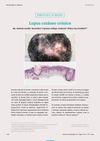 January 2024 in “Revista Dermatológica Centro Uraga”
 The patient has Chronic Cutaneous Lupus, a skin condition causing plaques and hair loss.
January 2000 in “The Mouseion at the JAXlibrary (Jackson Laboratory)” The lanceolate hair-J mutation in mice helps understand human hair disorders like Netherton's syndrome.