 May 2014 in “La Revue de médecine interne”
 Early detection and treatment of primary biliary cirrhosis and related autoimmune diseases improve outcomes.
 February 2014 in “Medicine - Programa De Formación Médica Continuada Acreditado”
 The document concludes that non-scarring alopecias can be reversed, but scarring alopecias cause permanent hair loss.

Different hair and nail conditions can indicate health issues and have specific treatments; accurate diagnosis is crucial before treatment.
February 2013 in “Journal of the American Academy of Dermatology” Follicular red dots can appear where alopecia areata and vitiligo overlap.
 November 2012 in “South African Family Practice”
 The article concludes that early treatment of alopecia is crucial to prevent permanent hair loss.

Accurate diagnosis of cicatricial alopecias requires thorough scalp examination and multiple biopsy techniques.
September 2009 in “MedEdPORTAL” The structured oral exam format is effective and well-received for teaching internal medicine.
 February 2009 in “Journal of The American Academy of Dermatology”
 Yellow dots look different in various hair loss conditions and can help diagnose them.
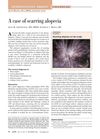 December 2005 in “Journal of the American Academy of Physician Assistants”
 The woman was diagnosed with lichen planopilaris and can be treated with corticosteroids.
 July 2003 in “Journal of Cutaneous Medicine and Surgery”
 Some medications can improve skin conditions, while lifestyle factors like smoking and drinking may worsen them; treatments like monoclonal antibodies and imiquimod cream show promise for certain skin diseases.
 September 1997 in “Journal of The European Academy of Dermatology and Venereology”
 Examining scalp tissue under a microscope helps diagnose and understand hair loss diseases.
 January 1989 in “Clinical and Experimental Dermatology”
 The symposium concluded that hair growth involves complex processes, including the hair follicle life cycle, the role of the dermal papilla, hair strength, pigmentation, and the impact of diseases and treatments like minoxidil on hair and skin.
 4 citations
,
January 1974 in “The BMJ”
4 citations
,
January 1974 in “The BMJ” All medications can cause skin rashes, often without a clear cause, and better tests are needed to identify these drug-related skin issues.
 243 citations
,
September 2016 in “Dermatology and Therapy”
243 citations
,
September 2016 in “Dermatology and Therapy” Dermoscopy is a useful tool for identifying features of skin conditions, but more research is needed to define its role in dermatology.
 95 citations
,
November 2016 in “Journal of The American Academy of Dermatology”
95 citations
,
November 2016 in “Journal of The American Academy of Dermatology” Treatments for permanent hair loss from scarring aim to stop further loss, not regrow hair, and vary by condition, with partial success common.
 53 citations
,
March 2014 in “Cold Spring Harbor Perspectives in Medicine”
53 citations
,
March 2014 in “Cold Spring Harbor Perspectives in Medicine” The document explains different types of hair loss, their causes, and treatments, and suggests future research areas.
 19 citations
,
October 2011 in “Clinics in Dermatology”
19 citations
,
October 2011 in “Clinics in Dermatology” New chemotherapy drugs cause skin side effects, but treatments like minocycline and tetracycline can help reduce them.
 18 citations
,
October 2012 in “Dermatologic Clinics”
18 citations
,
October 2012 in “Dermatologic Clinics” Early diagnosis and aggressive treatment are key for managing rare scalp disorders that cause permanent hair loss.
 12 citations
,
May 2011 in “Dermatologic Clinics”
12 citations
,
May 2011 in “Dermatologic Clinics” Hair loss in autoimmune blistering skin diseases varies and may regrow with disease control.
 12 citations
,
June 2003 in “Journal of the European Academy of Dermatology and Venereology”
12 citations
,
June 2003 in “Journal of the European Academy of Dermatology and Venereology” Some psychoactive drugs can cause skin reactions, with carbamazepine having a higher risk, and stopping the drug and seeing a dermatologist is important.
 1 citations
,
June 2012 in “Actas Dermo-Sifiliográficas”
1 citations
,
June 2012 in “Actas Dermo-Sifiliográficas” Early and aggressive treatment of scarring alopecia is important to prevent further hair follicle damage.
 January 2010 in “Elsevier eBooks”
 The document concludes that different types of hair loss have specific treatments, and early diagnosis is crucial for preventing permanent hair loss.
 60 citations
,
September 2010 in “Journal of the American Academy of Dermatology”
60 citations
,
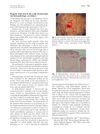
September 2010 in “Journal of the American Academy of Dermatology” Small white dots on the scalp seen with a dermoscope correspond to sweat ducts and vary with different hair disorders.
54 citations
,
November 2007 in “Actas Dermo-Sifiliográficas” Early diagnosis of frontal fibrosing alopecia is crucial to prevent permanent hair loss.
 20 citations
,
May 2016 in “Journal of Cutaneous Pathology”
20 citations
,
May 2016 in “Journal of Cutaneous Pathology” Using CD123 to detect certain immune cells helps diagnose a type of hair loss condition.
 13 citations
,
October 2017 in “Anais Brasileiros de Dermatologia”
13 citations
,
October 2017 in “Anais Brasileiros de Dermatologia” Yellow dots in hair and scalp examinations are important for diagnosing different scalp conditions.
8 citations
,
February 2023 in “Actas Dermo-Sifiliográficas” Dermatologists should learn trichoscopy to better diagnose hair loss conditions.
 2 citations
,
January 2014 in “Journal of clinical and investigative dermatology”
2 citations
,
January 2014 in “Journal of clinical and investigative dermatology” Some drugs used to treat immune conditions may cause different types of hair loss.
 1 citations
,
July 2012 in “Springer eBooks”
1 citations
,
July 2012 in “Springer eBooks” The document concludes that more research is needed to better understand and treat scarring hair loss conditions.
November 2025 in “Pediatric Dermatology” The boy's hair fully regrew after treatment for a rare hair loss condition.