12 citations
,
August 2007 in “Human Molecular Genetics” Lymphotoxin-β is crucial for proper skin development in embryos.
33 citations
,
February 2021 in “Journal of Medicinal Chemistry” New compounds were developed that promote hair growth in mice.
13 citations
,
April 2024 in “International Journal of Molecular Sciences” Loss of the Y chromosome in men is linked to health issues like heart disease and cancer.
5 citations
,
December 2014 in “Molecular cytogenetics” A specific genetic change is linked to mental disorders, intellectual disability, and possibly autoimmune disease in a family.
 June 2024 in “Synthetic and systems biotechnology”
 A fragment of human type XVII collagen shows great potential for skin health and wound healing.
421 citations
,
September 2003 in “Development” Stem cell behavior varies with stimuli, and lineage changes can happen without affecting stem cell division.
Mutant Cx43 causes slower wound healing and hair growth issues in ODDD.
 165 citations
,
September 2001 in “Genes & development”
165 citations
,
September 2001 in “Genes & development” CDP is crucial for lung and hair follicle cell development.
124 citations
,
July 2017 in “eLife” Type XVII collagen helps control skin cell growth and could be a target for anti-aging treatments.
32 citations
,
November 1998 in “Journal of Biological Chemistry” Mouse and human keratin 16 can both form filaments, with differences likely due to the tail domain, not the helical domain.
 87 citations
,
September 2019 in “Nature Communications”
87 citations
,
September 2019 in “Nature Communications” SOX11 and SOX4 help skin cells act like embryonic cells to heal wounds in mice.
June 1999 in “Connective tissue”  4 citations
,
February 2025 in “BMC Genomics”
4 citations
,
February 2025 in “BMC Genomics” Black wool in Qira sheep is linked to specific gene mutations, especially in the TYRP1 gene.
 6 citations
,
August 2012 in “The Journal of Pediatrics”
6 citations
,
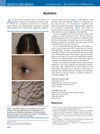
August 2012 in “The Journal of Pediatrics” A 12-year-old girl was diagnosed with monilethrix, a genetic condition causing fragile, beaded hair that breaks easily, with no effective treatment available.
 October 2023 in “Journal of Cosmetic Dermatology”
 A synthetic octapeptide may help promote hair growth and counteract hair loss.
 44 citations
,
November 2009 in “Archives of Dermatology”
44 citations
,
November 2009 in “Archives of Dermatology” CYLD mutations cause a variety of skin tumors with symptoms starting around age 16, and treatments are currently limited.
287 citations
,
July 2001 in “Journal of Cell Science” The study found 65 intermediate filament genes, including new keratins, and suggested updating keratin naming.
22 citations
,
April 2012 in “The American journal of pathology” Loss of Msx2 function causes eye development issues similar to Peters anomaly.
29 citations
,
February 1989 in “Journal of Cutaneous Pathology” A unique hair tumor with a rippled pattern was identified, showing incomplete differentiation and unusual cell arrangements.
 May 2022 in “Experimental dermatology”
 Trichothiodystrophy hair is structurally abnormal with protein and organization issues.
99 citations
,
October 2008 in “Journal of Investigative Dermatology” Mutations in the ST14 gene cause skin and hair issues by disrupting important protein processing.
 April 2019 in “Journal of Investigative Dermatology”
 Non-coding RNA boosts retinoic acid production and signaling, aiding regeneration.
 1 citations
,
May 2025 in “Scientific Reports”
1 citations
,
May 2025 in “Scientific Reports” The study identified key genes and pathways that influence goat wool quality and growth.
7 citations
,
August 2008 in “Immunogenetics” A gene mutation in mice causes increased mast cells and disorganized hair follicles in their skin.
September 2023 in “UCrea (University of Cantabria)” Nails are essential for fingertip regeneration.
8 citations
,
December 2017 in “Small Ruminant Research” Variation in the TCHH gene affects wool curliness in sheep.
15 citations
,
January 1991 in “Mammalian Genome” 26 citations
,
January 2011 in “Open Journal of Genetics” The KAP13-3 gene in sheep affects wool quality by influencing keratin assembly.
24 citations
,
September 2023 in “Science Advances” Mettl3 is essential for normal tissue development and self-renewal by regulating gene expression.
January 2026 in “Cytokine”