 9 citations
,
August 1952 in “The Journal of Clinical Endocrinology & Metabolism”
9 citations
,
August 1952 in “The Journal of Clinical Endocrinology & Metabolism” A 17-year-old female with adrenogenital syndrome produces very high levels of androgens, which prevent complete feminization despite high estrogen doses.
 6 citations
,
September 2012 in “Clinical Interventions in Aging”
6 citations
,
September 2012 in “Clinical Interventions in Aging” Honokiol might help reduce male skin aging by maintaining testosterone levels.
 November 2025 in “Frontiers in Nutrition”
 Better nutrition may reduce fecal incontinence in stroke patients by lowering inflammation and improving antioxidant levels.
 December 2021 in “Research Square (Research Square)”
 Hair follicle sampling is a feasible method to measure FMRP and FMR1 mRNA levels in children.
 16 citations
,
April 2012 in “Journal of mammalogy”
16 citations
,
April 2012 in “Journal of mammalogy” Young female Australian fur seals are losing hair due to low tyrosine and zinc levels and high pollution exposure.
 1 citations
,
March 2011 in “Informa Healthcare eBooks”
1 citations
,
March 2011 in “Informa Healthcare eBooks” Hormonal therapy is effective for treating acne in adult women, especially with signs of high androgen levels.
 375 citations
,
July 2006 in “Journal of Investigative Dermatology”
375 citations
,
July 2006 in “Journal of Investigative Dermatology” Stress can worsen skin and hair conditions by affecting the skin's immune response and hormone levels.
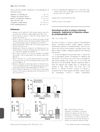 5 citations
,
June 2015 in “British Journal of Dermatology”
5 citations
,
June 2015 in “British Journal of Dermatology” A certain medication improved severe itching in a boy with liver and bowel disease by reducing histamine levels, suggesting a new treatment target.

A gluten-free diet and removing the parathyroid adenoma helped a girl with coeliac disease and high calcium levels start puberty.
 29 citations
,
February 2016 in “International Journal of Dermatology”
29 citations
,
February 2016 in “International Journal of Dermatology” People with lichen planus are more likely to have dyslipidemia, especially higher triglyceride levels.
 6 citations
,
May 2013 in “PloS one”
6 citations
,
May 2013 in “PloS one” The Foxn1(-/-) nude mouse shows disrupted and expanded skin stem cell areas due to high Lhx2 levels.
 1 citations
,
June 2017 in “Veterinary dermatology”
1 citations
,
June 2017 in “Veterinary dermatology” A cross-bred lamb with severe skin and movement issues had ichthyosis fetalis but normal vitamin A levels.
 January 2017 in “Clinical & medical biochemistry”
 Certain gene variations in AKT2 are more common in women with PCOS and are linked to higher levels of specific hormones and symptoms.

research Acne
81 citations
,
January 2002 in “American journal of clinical dermatology” Hormonal treatments can help with acne, especially in women, by lowering androgen levels or blocking their effects.
 78 citations
,
November 2008 in “Fertility and Sterility”
78 citations
,
November 2008 in “Fertility and Sterility” Amenorrhea is relatively rare and initial testing should check FSH, TSH, and prolactin levels.
 2 citations
,
January 1998 in “Dermatology”
2 citations
,
January 1998 in “Dermatology” Stopping forehead irritation and using hydrocortisone helped a man's skin, Martinique has lower melanoma rates, a man had an allergy to a specific antifungal, another had unexplained cysts, certain drugs can cause skin reactions without always being interrelated, a link between Fanconi anemia and a skin condition was suggested, high levels of a certain protein may play a role in a type of psoriasis, and there's a need to study the connection between scalp pain and hair loss.
 July 2003 in “Journal of Cutaneous Medicine and Surgery”
 Blood pressure drugs can cause skin lupus, early treatment is key for baby herpes and diabetic foot ulcers, a certain vaccine works against genital herpes and HPV in women, more frequent light therapy helps psoriasis, smoking and drinking can worsen psoriasis, a cream clears up a type of skin cancer, and low iron levels don't cause chronic hair loss.
 July 2003 in “Journal of Cutaneous Medicine and Surgery”
 Stopping certain drugs can improve skin conditions, arsenicosis affects over half of a Bangladeshi village, males are more vulnerable, and certain treatments are effective for warts, acne, and psoriasis. Smoking and drinking are linked to psoriasis in men, a cream helps with a type of skin cancer, and low iron levels don't directly cause chronic hair loss in women.
6 citations
,
March 2023 in “Journal of Cosmetic Dermatology” Low levels of BDNF and vitamin D are linked to higher depression in alopecia areata and vitiligo patients.
1 citations
,
January 2025 in “Clinical Cosmetic and Investigational Dermatology” Higher levels of certain proteins may increase or decrease rosacea risk.
September 2025 in “International Journal of Medical Informatics” A machine learning model can predict scarring in lichen planopilaris using factors like vitamin D levels and diagnostic delay.
2 citations
,
June 2024 in “Medical Journal of Babylon” Higher CD8+ T cell levels are linked to Alopecia areata in Iraqi patients.
26 citations
,
September 2013 in “Journal of Dermatological Science” Serum granulysin levels can indicate the activity and prognosis of alopecia areata.
 4 citations
,
November 2021 in “Journal of Clinical Medicine”
4 citations
,
November 2021 in “Journal of Clinical Medicine” Higher levels of CCL7 are linked to more severe hair loss in alopecia areata patients.
October 2024 in “Journal of Medical and Scientific Research” Higher prolactin levels are linked to psoriasis, alopecia areata, and vitiligo severity.
 April 2022 in “JAAD International”
 Women with frontal fibrosing alopecia have similar vitamin D levels to those with other hair loss types, suggesting vitamin D is not a key factor in this condition.
90 citations
,
July 2014 in “Conservation Physiology” Hair cortisol levels in brown bears can be affected by both long-term and short-term stress.
3 citations
,
October 2024 in “Experimental Dermatology” Higher CRHR1 levels in AA patients lead to increased inflammation.
High CCL11 levels may indicate poor response to baricitinib in severe alopecia areata.
 June 2025 in “Academic Medical Journal”
 High homocysteine levels in lupus may increase inflammation and cardiovascular risk.