 July 2003 in “British Journal of Dermatology”
 Some skin conditions are associated with other serious diseases, and office microscopy may miss many fungal infections.
 November 1998 in “Journal of The European Academy of Dermatology and Venereology”
 A man's skin cancer improved and some of his hair grew back after treatment with a special light therapy and a medication.
 July 1980 in “Journal of The American Academy of Dermatology”
 The conference concluded that understanding hair and nail disorders is important, iron deficiency may be linked to hair loss, and while some treatments for skin conditions are effective, they may have risks and high costs.
 February 2026 in “Ciencia Latina Revista Científica Multidisciplinar”
 Early recognition and thyroid evaluation are crucial for managing diffuse alopecia areata linked to autoimmune thyroid disease.
 September 2025 in “Dermatology Online Journal”
 Biopsy is crucial for diagnosing unusual hair loss causes like lymphoma.
January 2025 in “Indian Dermatology Online Journal” Mycosis fungoides can have unusual symptoms and may be misdiagnosed, but specific cell markers might suggest a lower risk of worsening.
 January 2025 in “Recent Patents on Anti-Cancer Drug Discovery”
 The treatment showed high response rates and was well-tolerated, potentially extending patient survival.
 December 2024 in “Quality in Sport”
 PCOS involves immune system issues and inflammation, possibly leading to autoimmune diseases.
October 2024 in “International journal of medicine and psychology.” Targeted immune modulation can help achieve stable remission in alopecia areata.
 September 2023 in “International Journal of Dermatology”
 Younger people are at a higher risk for Fibrosing Alopecia in a Pattern Distribution than previously thought, with common symptoms and possible involvement of mast cells in its development.
 June 2023 in “Zenodo (CERN European Organization for Nuclear Research)”
 Inflammation in hair follicles is a key risk factor for developing common baldness.
 March 2020 in “Clinical research in dermatology”
 Two unusual cases showed that Lichen Planopilaris can look like other skin conditions and need early treatment to protect hair.
December 2019 in “Global pharmaceutical sciences review” New treatments for alopecia are being explored due to the limitations of current options.
August 2019 in “Journal of the American Academy of Dermatology” Frontal fibrosing alopecia may be caused by an autoimmune reaction and hormonal imbalance.

Alopecia Areata is treated with drugs and therapies to reduce inflammation and immune response.
 April 2017 in “Journal of Investigative Dermatology”
 Certain microRNAs may protect against hair loss in alopecia areata and could be potential treatment targets.

Some vaccines, like the hepatitis B vaccine, might be linked to the hair loss condition Alopecia Areata, but more research is needed.
January 2015 in “프로그램북(구 초록집)” Epiduo® is an effective first-line acne treatment that reduces inflammation and combats antibiotic resistance.
 January 2015 in “Indian Dermatology Online Journal”
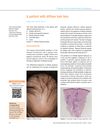
 The patient's hair loss is most likely due to diffuse alopecia areata.
 April 2012 in “Informa Healthcare eBooks”
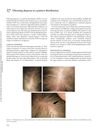
 Fibrosing alopecia in a pattern distribution is a unique hair loss condition with inflammation and scarring, resembling but distinct from common balding.

Wound healing is complex and requires more research to enhance treatment methods.
September 2021 in “Eureka: Health Sciences” Androgenetic alopecia in women may be improved by targeting oxidative stress, inflammation, and fibrosis.
 April 2016 in “Journal of The American Academy of Dermatology”
 People with hair loss have low zinc levels; zinc supplements and laser therapy may help.

Alopecia areata, a type of hair loss, may be passed through T cells and has genetic links, while treatments vary in effectiveness. Male pattern baldness can be treated with finasteride and is influenced by androgens in hair follicles.
 25 citations
,
March 2013 in “British Journal of Dermatology”
25 citations
,
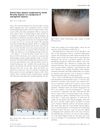
March 2013 in “British Journal of Dermatology” Woman has discoid lupus, frontal fibrosing, and androgenetic alopecia.
21 citations
,
December 2017 in “The journal of investigative dermatology. Symposium proceedings/The Journal of investigative dermatology symposium proceedings” Simvastatin/ezetimibe may help treat new cases of alopecia areata but not long-term cases.
 19 citations
,
September 2014 in “JAMA Dermatology”
19 citations
,
September 2014 in “JAMA Dermatology” Eosinophilic infiltrate is not a reliable indicator for diagnosing chronic alopecia areata.
18 citations
,
April 2010 in “Archives of Dermatology” Psoriasis or contact dermatitis can override alopecia areata, allowing hair growth.
 16 citations
,
March 2013 in “JAMA Dermatology”
16 citations
,
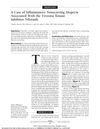
March 2013 in “JAMA Dermatology” A cancer drug called nilotinib might cause hair loss due to inflammation around hair follicles.
13 citations
,
February 1980 in “Journal of Cutaneous Pathology” Rubbing seborrheic keratoses causes specific skin changes and may link them to hair follicles.