 1 citations
,
May 2017 in “InTech eBooks”
1 citations
,
May 2017 in “InTech eBooks” The document concludes that alopecia areata is an unpredictable autoimmune hair loss condition with no cure, but various treatments exist that require personalized approaches.
 16 citations
,
January 2007 in “Actas dermo-sifiliográficas/Actas dermo-sifiliográficas”
16 citations
,
January 2007 in “Actas dermo-sifiliográficas/Actas dermo-sifiliográficas” The document concludes that there are no reliable treatments for frontal fibrosing alopecia, with only temporary benefits from current options.
 131 citations
,
August 2000 in “International Journal of Dermatology”
131 citations
,
August 2000 in “International Journal of Dermatology” Inflammation may be linked to hair loss, and targeting specific enzymes could help treat it.
 32 citations
,
January 2006 in “Acta dermato-venereologica”
32 citations
,
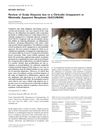
January 2006 in “Acta dermato-venereologica” SACUMAN, a rare condition causing hair loss without clear signs, is often misdiagnosed and needs scalp biopsies for accurate detection.
 20 citations
,
January 2018 in “Expert opinion on emerging drugs”
20 citations
,
January 2018 in “Expert opinion on emerging drugs” JAK inhibitors may soon be a safe and effective treatment for alopecia areata.
 2 citations
,
January 2020 in “Skin appendage disorders”
2 citations
,
January 2020 in “Skin appendage disorders” Long hair can cause hair loss due to constant pulling.
 1 citations
,
April 2012 in “Informa Healthcare eBooks”
1 citations
,
April 2012 in “Informa Healthcare eBooks” Some medications for inflammation can cause a condition with scalp rashes and hair loss, often linked to Crohn's disease, and may require treatment changes to prevent permanent hair loss.
A girl with Crohn's disease developed hair loss due to her increased medication, a rare side effect seen in some children.
 30 citations
,
January 2020 in “Journal of The American Academy of Dermatology”
30 citations
,
January 2020 in “Journal of The American Academy of Dermatology” Fibrosing alopecia in a pattern distribution is a hair loss condition often confused with other types, requiring early treatment but usually not resulting in significant hair regrowth.
 2 citations
,
January 2023 in “Curēus”
2 citations
,
January 2023 in “Curēus” Low-dose naltrexone may help reduce redness in certain scalp conditions.
 March 2021 in “Revista Medicina Cutánea Ibero-Latino-Americana”
 Trichoscopy helps diagnose scarring alopecia early and non-invasively.
 March 2026 in “Dermatology Reports”
 FFA has higher long-term remission rates than LPP.
 29 citations
,
July 2010 in “Journal of Cutaneous Medicine and Surgery”
29 citations
,
July 2010 in “Journal of Cutaneous Medicine and Surgery” Treatments for Frontal Fibrosing Alopecia have not been proven effective.
 15 citations
,
December 2017 in “Journal of The European Academy of Dermatology and Venereology”
15 citations
,
December 2017 in “Journal of The European Academy of Dermatology and Venereology” Frontal fibrosing alopecia and androgenetic alopecia may be related, with a possible shared cause.
 12 citations
,
July 2017 in “Journal of cosmetic dermatology”
12 citations
,
July 2017 in “Journal of cosmetic dermatology” Infrared thermography, especially with dermoscopy, improves accuracy in diagnosing active hair loss due to inflammation.
 8 citations
,
October 2016 in “Actas Dermo-Sifiliográficas”
8 citations
,
October 2016 in “Actas Dermo-Sifiliográficas” FFA in men, often mistaken for other hair loss types, may be more common than thought and needs larger studies for confirmation.
 2 citations
,
November 2015 in “Actas Dermo-Sifiliográficas”
2 citations
,
November 2015 in “Actas Dermo-Sifiliográficas” The document suggests a possible link between mast cells and scarring alopecia, recommending more research for potential treatments.
 July 2026 in “Quality in Sport”
 New treatments for alopecia areata focus on targeted drugs and regenerative therapies, but challenges remain.
 July 2025 in “Revista Eletrônica Acervo Científico”
 Hydroxychloroquine is most effective for scarring alopecias, especially when combined with other treatments.
 69 citations
,
August 2008 in “Journal of The European Academy of Dermatology and Venereology”
69 citations
,
August 2008 in “Journal of The European Academy of Dermatology and Venereology” Oral dutasteride and topical pimecrolimus can safely and effectively treat Frontal Fibrosing Alopecia, leading to significant hair regrowth.
 6 citations
,
October 2022 in “American journal of clinical dermatology”
6 citations
,
October 2022 in “American journal of clinical dermatology” The review shows how to properly diagnose and treat the loss of eyebrow and eyelash hair.
 3 citations
,
February 2022 in “Cureus”
3 citations
,
February 2022 in “Cureus” Frontal fibrosing alopecia can sometimes look like syphilitic hair loss.
 1 citations
,
May 2017 in “InTech eBooks”
1 citations
,
May 2017 in “InTech eBooks” Some cosmetic procedures show promise for treating hair loss, but more research is needed to confirm their safety and effectiveness.
 1 citations
,
October 2015 in “The American journal of gastroenterology”
1 citations
,
October 2015 in “The American journal of gastroenterology” Stopping infliximab and using strong topical steroids can regrow hair lost due to psoriasiform alopecia.
 1 citations
,
May 2014 in “European Journal of Inflammation”
1 citations
,
May 2014 in “European Journal of Inflammation” A lotion with minoxidil, hydrocortisone butyrate, and 17a-estradiol can improve or stabilize Frontal Fibrosing Alopecia in some cases, but there's no universally-accepted treatment yet.
 1 citations
,
October 2013 in “Expert Review of Dermatology”
1 citations
,
October 2013 in “Expert Review of Dermatology” Diagnosing alopecia areata is challenging and requires careful examination and various tests to distinguish it from other hair loss types.
 April 2026 in “International Journal of Drug Delivery Technology”
 Alopecia can often be managed effectively with various treatments, but early diagnosis is crucial for preventing permanent hair loss.
 July 2012 in “Springer eBooks”
 The document concludes that proper diagnosis and treatment of nonscarring alopecias can improve quality of life and hair regrowth is possible as the hair follicle remains intact.
 1 citations
,
April 2019 in “Acta Medica Philippina”
1 citations
,
April 2019 in “Acta Medica Philippina” Azathioprine may help treat severe alopecia areata, but more research is needed.
 October 2023 in “Dermatology practical & conceptual”
 Folliculitis Decalvans and Frontal Fibrosing Alopecia can coexist in people with darker skin, showing features of both conditions.