 1 citations
,
January 2020 in “ARC Journal of Dermatology”
1 citations
,
January 2020 in “ARC Journal of Dermatology” Oral zinc and Nd:YAG laser therapy effectively treated primary cicatricial alopecia in five patients.
 January 2026 in “Frontiers in Medicine”
 FFA and FAPD might be related or stages of the same disease.
 117 citations
,
March 2013 in “Journal of the European Academy of Dermatology and Venereology”
117 citations
,
March 2013 in “Journal of the European Academy of Dermatology and Venereology” No effective treatment for frontal fibrosing alopecia was found, but oral 5-alpha-reductase inhibitors had the best response; for lichen planopilaris, topical corticosteroids were commonly used but had a high relapse rate.
 102 citations
,
April 2014 in “International Journal of Dermatology”
102 citations
,
April 2014 in “International Journal of Dermatology” The treatment helped reduce symptoms and stabilize the hairline in most patients with Frontal Fibrosing Alopecia, but hair regrowth was limited.
 80 citations
,
April 2018 in “Trends in Molecular Medicine”
80 citations
,
April 2018 in “Trends in Molecular Medicine” Lichen Planopilaris and Frontal Fibrosing Alopecia may help us understand hair follicle stem cell disorders and suggest new treatments.
 67 citations
,
November 2002 in “Journal of The American Academy of Dermatology”
67 citations
,
November 2002 in “Journal of The American Academy of Dermatology” The document concludes that careful evaluation is key to diagnose and treat women with hair loss, with tests for thyroid, iron, and hormones as needed.
 41 citations
,
July 2017 in “Journal of The American Academy of Dermatology”
41 citations
,
July 2017 in “Journal of The American Academy of Dermatology” Men with Frontal fibrosing alopecia typically lose hair on the front scalp and sometimes on sideburns and upper lip, with treatments showing varied success.
 9 citations
,
August 2018 in “Journal der Deutschen Dermatologischen Gesellschaft”
9 citations
,
August 2018 in “Journal der Deutschen Dermatologischen Gesellschaft” Most patients with frontal fibrosing alopecia are middle-aged women, often have thyroid disease, and some treatments can help stabilize the condition.
 2 citations
,
April 2019 in “Acta medica Philippina/Acta Medica Philippina”
2 citations
,
April 2019 in “Acta medica Philippina/Acta Medica Philippina” People with alopecia areata often have lower vitamin D levels than healthy people.
 2 citations
,
January 2015 in “Springer eBooks”
2 citations
,
January 2015 in “Springer eBooks” Early diagnosis and aggressive treatment are crucial for Cicatricial Alopecia, and treatment effectiveness varies among patients.
 1 citations
,
June 2017 in “Skin”
1 citations
,
June 2017 in “Skin” Apremilast may help treat lichen planopilaris and frontal fibrosing alopecia when other treatments fail.
 1 citations
,
May 2014 in “European Journal of Inflammation”
1 citations
,
May 2014 in “European Journal of Inflammation” A lotion with minoxidil, hydrocortisone butyrate, and 17a-estradiol can improve or stabilize Frontal Fibrosing Alopecia in some cases, but there's no universally-accepted treatment yet.

Microneedling may improve quality of life and reduce inflammation in frontal fibrosing alopecia.
 March 2018 in “Dermatología Argentina”
 The study found that the average age of women diagnosed with Frontal Fibrosing Alopecia in Argentina is higher than in other countries, but their symptoms are similar.
 339 citations
,
February 2014 in “Journal of The American Academy of Dermatology”
339 citations
,
February 2014 in “Journal of The American Academy of Dermatology” Most patients with frontal fibrosing alopecia are postmenopausal women, and treatments like finasteride and dutasteride can improve or stabilize the condition.
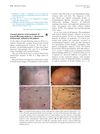 18 citations
,
June 2017 in “Journal of The American Academy of Dermatology”
18 citations
,
June 2017 in “Journal of The American Academy of Dermatology” Trichoscopy helps diagnose frontal fibrosing alopecia, even with unusual patterns.
 9 citations
,
January 2018 in “Journal of the European Academy of Dermatology and Venereology”
9 citations
,
January 2018 in “Journal of the European Academy of Dermatology and Venereology” A male patient developed frontal fibrosing alopecia after antiandrogen therapy for prostate cancer.
 8 citations
,
November 2018 in “Australasian Journal of Dermatology”
8 citations
,
November 2018 in “Australasian Journal of Dermatology” Frontal fibrosing alopecia in families shows similar signs to individual cases and may have a genetic link.
 98 citations
,
January 2013 in “Journal of The American Academy of Dermatology”
98 citations
,
January 2013 in “Journal of The American Academy of Dermatology” Dutasteride may help stabilize Frontal Fibrosing Alopecia, but more research is needed.
 81 citations
,
July 2011 in “Lasers in Medical Science”
81 citations
,
July 2011 in “Lasers in Medical Science” The Lexington LaserComb helped regrow hair in mice with a condition similar to human hair loss.
 23 citations
,
November 2018 in “Journal of the European Academy of Dermatology and Venereology”
23 citations
,
November 2018 in “Journal of the European Academy of Dermatology and Venereology” The study concluded that severity of Frontal fibrosing alopecia is not linked to how long someone has it, can start before menopause, and eyebrow loss may be an early sign.
 18 citations
,
November 2012 in “Australasian Journal of Dermatology”
18 citations
,
November 2012 in “Australasian Journal of Dermatology” A 66-year-old man with a rare case of male frontal fibrosing alopecia did not regrow hair despite treatment.
 14 citations
,
January 2015 in “Skin appendage disorders”
14 citations
,
January 2015 in “Skin appendage disorders” Misdiagnosis of LPP in AGA patients can cause hair transplant issues.
 12 citations
,
January 2017 in “Skin appendage disorders”
12 citations
,
January 2017 in “Skin appendage disorders” Two patients with skin lupus were mistakenly thought to have a different scalp condition but improved with lupus treatment.
 8 citations
,
October 2019 in “International Journal of Dermatology”
8 citations
,
October 2019 in “International Journal of Dermatology” The study concluded that combination therapy with topical corticosteroids and hydroxychloroquine or finasteride is effective in treating Frontal fibrosing alopecia in Asians.
 6 citations
,
October 2019 in “Case Reports in Dermatology”
6 citations
,
October 2019 in “Case Reports in Dermatology” The document concludes that treatment can improve hair growth and symptoms in Fibrosing Alopecia in a Pattern Distribution.
 5 citations
,
April 2016 in “The American Journal of Dermatopathology”
5 citations
,
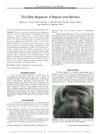
April 2016 in “The American Journal of Dermatopathology” A tick bite caused temporary hair loss in a man, which is a rare condition that usually gets better within 3 months.
 2 citations
,
April 2023 in “Cutis”
2 citations
,
April 2023 in “Cutis” More inclusive research is needed to effectively treat frontal fibrosing alopecia in Black patients.
 2 citations
,
January 2017 in “Przegla̧d dermatologiczny”
2 citations
,
January 2017 in “Przegla̧d dermatologiczny” Two trichoscopic patterns found in hair loss: diffuse fibrotic and androgenetic alopecia, affecting treatment choice and regrowth chances.
 1 citations
,
December 2022 in “Research Square (Research Square)”
1 citations
,
December 2022 in “Research Square (Research Square)” Certain health conditions and hair care habits affect the treatment results for a scalp condition called Central Centrifugal Cicatricial Alopecia.