 July 2021 in “British Journal of Dermatology”
 A woman with systemic sclerosis developed a unique scarring hair loss combining features of systemic sclerosis and frontal fibrosing alopecia.
September 2011 in “Chinese Journal of Dermatology” A man's skin condition was misdiagnosed and later identified as a rare type of skin cancer, which did not improve with treatment.
November 2022 in “Journal of Investigative Dermatology” ILC1-like cells can cause alopecia areata by themselves.
May 2017 in “The journal of investigative dermatology/Journal of investigative dermatology” Topical immunotherapy for alopecia areata may work by creating immune cell clusters in the skin.
 33 citations
,
July 1992 in “Journal of Investigative Dermatology”
33 citations
,
July 1992 in “Journal of Investigative Dermatology” Minoxidil doesn't affect perifollicular lymphoid infiltration in alopecia areata patients.
 6 citations
,
April 2017 in “Experimental dermatology”
6 citations
,
April 2017 in “Experimental dermatology” CD80CD86 deficiency causes hair loss by disrupting regulatory T cells.
 September 2023 in “Research Square (Research Square)”
 TNC+ fibroblasts play a key role in skin inflammation by interacting with T cells.
November 2022 in “Journal of Investigative Dermatology” ILC1-like cells can cause alopecia areata by affecting hair follicles.

Wavy sinus hairs in cats are linked to feline leukemia virus infection.
 40 citations
,
August 2022 in “Frontiers in immunology”
40 citations
,
August 2022 in “Frontiers in immunology” Blocking JAK/STAT pathways can help treat hair loss from alopecia areata.
 23 citations
,
June 2003 in “Journal of Investigative Dermatology Symposium Proceedings”
23 citations
,
June 2003 in “Journal of Investigative Dermatology Symposium Proceedings” Alopecia Areata is an autoimmune disease affecting hair follicles, influenced by genetic and environmental factors, with rodent models being essential for research.
 4 citations
,
January 2015 in “International Journal of Trichology”
4 citations
,
January 2015 in “International Journal of Trichology” Transplanted hair follicles can change and adapt to new areas of the body, with the immune system possibly playing a role in this adjustment.
 610 citations
,
April 2014 in “Nature Reviews Immunology”
610 citations
,
April 2014 in “Nature Reviews Immunology” The document concludes that understanding how the skin's immune system and inflammation work is complex and requires more research to improve treatments for skin diseases.
 11 citations
,
March 2020 in “Immunology”
11 citations
,
March 2020 in “Immunology” Human prenatal skin develops an immune network early on that helps with skin formation and healing without scarring.
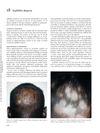 April 2012 in “Informa Healthcare eBooks”
 Syphilitic alopecia is a rare hair loss condition in secondary syphilis that looks similar to another condition but can be diagnosed with specific tests and responds to antibiotics.
 February 2026 in “Nature Communications”
 A specific group of immune and skin cells may cause chronic inflammation in atopic dermatitis.
13 citations
,
September 2022 in “Biomolecules” The research confirms that Hidradenitis Suppurativa is characterized by increased inflammation, disrupted skin cell organization, and abnormal metabolic processes.
51 citations
,
August 2013 in “The Journal of experimental medicine/The journal of experimental medicine” Loss of a specific protein in skin cells causes symptoms similar to psoriasis.
11 citations
,
July 2022 in “Frontiers in Immunology” Four specific genes are linked to keloid formation and could be potential treatment targets.
October 2024 in “Frontiers in Immunology” Pertussis toxin may contribute to hair loss in alopecia areata.
 August 2024 in “International Journal of Molecular Sciences”
 Androgenetic alopecia involves immune cell disruptions, especially increased CD4+ T cells around hair follicles.
January 2026 in “Dermatologic Therapy” Folliculotropic Mycosis Fungoides requires stage-based treatment, with early stages using skin therapies and advanced stages needing aggressive treatments.
42 citations
,
April 2021 in “JCI insight” Blocking JAK3 signaling can reverse hair loss from alopecia areata.
 2 citations
,
August 2022 in “Emergency medicine international”
2 citations
,
August 2022 in “Emergency medicine international” Keloid skin disorder involves abnormal fibroblast activation and immune response, linked to a group of genes including FGF11.
 6 citations
,
July 2009 in “Veterinary dermatology”
6 citations
,
July 2009 in “Veterinary dermatology” Vesiculobullous lesions should be considered part of canine cutaneous epitheliotropic T-cell lymphoma.
 86 citations
,
April 2016 in “Nature Communications”
86 citations
,
April 2016 in “Nature Communications” Notch1 helps skin heal by attracting specific immune cells.
 January 2024 in “Wiadomości Lekarskie”
 Enhancing immune response can improve cancer treatment effectiveness.
42 citations
,
December 2011 in “The journal of immunology/The Journal of immunology” RANKL causes lymph nodes to grow by making certain cells multiply.
 17 citations
,
May 1987 in “Clinical and Experimental Dermatology”
17 citations
,
May 1987 in “Clinical and Experimental Dermatology” A patient with Sézary syndrome showed improvement after treatment and the study suggested follicular mucinosis might indicate future lymphoma risk.
 November 2025 in “Frontiers in Immunology”
 Immune cells are crucial for normal skin development and their dysfunction can cause skin disorders.