 12 citations
,
February 2010 in “Tetrahedron Letters”
12 citations
,
February 2010 in “Tetrahedron Letters” New minoxidil compounds with better water solubility were made, but their full effects and safety need more research.
Deleting the MAD2L1 gene in mice led to rapid tumor growth despite chromosomal instability.
17 citations
,
May 2018 in “BMC genomics” Researchers found genes and microRNAs that control curly fleece in Chinese Tan sheep.
December 1990 in “PubMed” Topical 17 alpha-propylmesterolone increases hair cell growth in androgenetic alopecia.
2 citations
,
April 2019 in “Journal of Investigative Dermatology” Gasdermin A3 causes hair follicle stem cells to activate too early, leading to hair loss.
 43 citations
,
November 2018 in “Nature Communications”
43 citations
,
November 2018 in “Nature Communications” Genetic variations affecting skin structure play a key role in severe acne.
3 citations
,
January 2016 NuMA-microtubule interactions are crucial for proper skin structure and hair growth.
November 2022 in “Skin Appendage Disorders” PT-20 did not significantly improve gray hair repigmentation.
10 citations
,
June 2021 in “Journal of Investigative Dermatology”  11 citations
,
December 2014 in “The American journal of pathology”
11 citations
,
December 2014 in “The American journal of pathology” A gene deletion in mice causes weak protein, immune issues, hair loss, airway problems, and wasting disease.
9 citations
,
April 2006 in “International Journal of Dermatology” DFMO may help control hair growth and treat cancer.
January 2022 in “Figshare” lncRNA MTC helps goat skin cells grow and may aid hair growth by controlling proteins linked to cell growth.
18 citations
,
April 2011 in “Neuropharmacology” 11β-Hydroxylase inhibitors help prevent seizures in mice by boosting natural neurosteroid production.
15 citations
,
June 2019 in “Biochemical Journal” A new genetic disorder caused by an ODC1 mutation can be treated with DFMO.
January 2011 in “China Animal Husbandry & Veterinary Medicine” Constant-release melatonin reduces SOX21 gene expression in goats during the hair follicle resting phase.
September 2023 in “Journal of the American Academy of Dermatology” Methylprednisolone treatment helps most alopecia areata patients, but young age, extensive hair loss, and low vitamin D can affect results.
35 citations
,
June 2012 in “PloS one” Keratin 15 expression in skin cells is regulated by two mechanisms involving PKC/AP-1 and FOXM1.
 1 citations
,
April 2022 in “AACE clinical case reports”
1 citations
,
April 2022 in “AACE clinical case reports” A 36-year-old person with a female appearance but male chromosomes was diagnosed with a rare enzyme deficiency affecting sexual development.
 9 citations
,
August 2019 in “Journal of The European Academy of Dermatology and Venereology”
9 citations
,
August 2019 in “Journal of The European Academy of Dermatology and Venereology” Minoxidil activation by hair enzymes predicts treatment success for female hair loss.
 August 2016 in “Journal of Investigative Dermatology”
 Different levels of microRNAs in different parts of the scalp can cause male pattern baldness.
August 2024 in “International Journal of Cosmetic Science” Acetyl zingerone methyl ether protects and extends hair color while improving hair health.
7 citations
,
August 1985 in “British journal of dermatology/British journal of dermatology, Supplement” Medroxyprogesterone acetate injections are more effective than topical ointment in treating excessive hair growth in women.
10 citations
,
November 2009 in “Pigment cell & melanoma research” The document concludes that MGRN1 affects mouse fur color by interfering with a receptor's signaling, but its full role in the body is still unknown.
 July 2026 in “International Journal of Molecular Sciences”
 TSG-enriched Polygonum multiflorum extract may effectively treat hair loss by blocking 5α-reductase and activating hair growth pathways.
29 citations
,
June 2016 in “Experimental Dermatology” MCHR2 gene duplications may be linked to alopecia areata.
 12 citations
,
May 2023 in “EMBO reports”
12 citations
,
May 2023 in “EMBO reports” High mTORC1 activity slows hair growth and causes it to lose color.
 December 1998 in “Acta Crystallographica Section C-crystal Structure Communications”
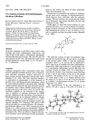
 A new compound with strong antiandrogenic effects was found, potentially useful for treating conditions like acne and prostate cancer.
 August 2019 in “Journal of Invertebrate Pathology”
 Thymosin beta 4 protects cells from damage by blocking a harmful microRNA and boosting a protective gene.
47 citations
,
July 1998 in “Journal of Investigative Dermatology” A new mutation, Glu402Lys, in hair keratin is linked to variable symptoms of monilethrix.
 23 citations
,
October 2006 in “Journal of Dermatological Science”
23 citations
,
October 2006 in “Journal of Dermatological Science” Ethosomal minoxidil improves hair growth by penetrating deeper into skin and shortening hair cycle.