1 citations
,
May 2025 in “BMC Genomics” lncRNAs may help control cashmere goat hair growth by responding to light changes.
1 citations
,
October 2024 in “Medicina” CLEC4D gene variants may increase the risk of alopecia areata in Jordanians.
 October 2023 in “Journal of Drug Delivery Science and Technology”
 Electrospun nanofibers might be a promising new treatment for hair loss.
CCC1 is essential for pH balance and normal cell function in plants.
April 2026 in “Therapeutic Advances in Drug Safety” Finasteride is high-risk for cognitive disorders, while Carbidopa/Levodopa, Topiramate, and Clonazepam are moderate-risk.
4 citations
,
July 2024 in “Biomolecules” Women with PCOS may have a higher risk of Alzheimer's disease.
3 citations
,
January 2020 in “International journal of trichology” Congenital triangular alopecia is a hair loss condition present from birth or early childhood with no effective treatment needed.
The white wax scale insect's genome shows that complete metamorphosis evolved earlier than thought and highlights differences in male and female development.
44 citations
,
November 2022 in “Frontiers in Immunology” TLR-targeted therapies show promise in cancer treatment by helping destroy tumors.
 31 citations
,
August 2021 in “Stem Cell Research & Therapy”
31 citations
,
August 2021 in “Stem Cell Research & Therapy” The conclusion is that understanding how hair follicle stem cells live or die is important for maintaining healthy tissue and repairing injuries, and could help treat hair loss, but there are still challenges to overcome.
22 citations
,
August 2015 in “PloS one” Keratin from hair binds well to gold and BMP-2, useful for bone repair.
22 citations
,
March 2021 in “Materials Today Bio” Scaffold-based strategies show promise for regenerating hair follicles and teeth but need more research for clinical use.
2 citations
,
September 2024 in “Diagnostics” A new method accurately measures cell changes in breast cancer.
 1 citations
,
November 2023 in “Frontiers in veterinary science”
1 citations
,
November 2023 in “Frontiers in veterinary science” Goat hair shows changes in metal levels and stress when goats move from indoors to mountain pastures.
 October 2025 in “Journal of Nanobiotechnology”
 The hydrogel helps wounds heal better by reducing inflammation and promoting skin regeneration.
 January 2025 in “International Journal of Molecular Sciences”
 Psoriasis involves immune and genetic factors, and understanding these can improve treatments.
 July 2023 in “IntechOpen eBooks”
 New treatments for alopecia areata show promise, but more research is needed to confirm their effectiveness.

Hair follicle stem cells are crucial for touch sensation and proper nerve structure in mice.
 June 2025 in “International Journal of Computational Intelligence Systems”
 The TPAP method effectively categorizes androgenetic alopecia patients with high accuracy, but needs real-world validation.
116 citations
,
April 2020 in “Stem Cell Research & Therapy” Wharton's jelly stem cells show diverse traits and functions.
89 citations
,
April 2023 in “Forensic Science International Genetics” Forensic DNA Phenotyping can now better predict appearance, ancestry, and age from DNA, but more research is needed for precise police use.
26 citations
,
December 2020 in “Photodermatology Photoimmunology & Photomedicine” Photobiomodulation can improve hair density and thickness, but it's costly and needs more research.
 12 citations
,
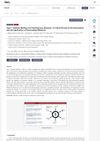
February 2023 in “Journal of Personalized Medicine”
12 citations
,
February 2023 in “Journal of Personalized Medicine” Type 1 diabetes often occurs with other autoimmune diseases, and personalized treatment based on genetics can improve outcomes.
 11 citations
,
April 2019 in “Journal of Biological Research”
11 citations
,
April 2019 in “Journal of Biological Research” The study identified 12 potential biomarkers for hair loss and how they affect hair growth.
8 citations
,
March 2023 in “British Journal of Dermatology” Next-generation sequencing greatly improves understanding and treatment of genetic hair disorders.
 1 citations
,
May 2021 in “BMC Proceedings”
1 citations
,
May 2021 in “BMC Proceedings” The document concludes that more research is needed to reduce frequent hospital visits, addiction medicine education improves with specific training, early breast cancer surgery findings are emerging, nipple smears are not very accurate, surgery for older melanoma patients doesn't extend life, a genetic condition in infants can often be treated with one drug, doctors are inconsistent with blood clot medication, a certain gene may protect against cell damage, muscle gene overexpression affects many other genes, and some mitochondrial genes are less active in mice with tumors.
January 2026 in “Medicina” JAK inhibitors show promise for treating various skin disorders effectively and safely.
November 2025 in “Indian Dermatology Online Journal” Clouston syndrome can lead to skin cancer, so monitoring is crucial.
 February 2025 in “Animals”
 Understanding proteins in skin structures like claws and hair is crucial for future research.
November 2024 in “Forensic Sciences” Understanding the Y chromosome is key to male health, aging, and developing diagnostic tools.