Search
for
Sort by
Research
870-900 / 1000+ results
research The role of microneedling in treatment of melasma
Microneedling may improve melasma treatment by boosting topical therapy effectiveness.

research The acne hormones
Eating high-glycemic and dairy foods can increase hormones that may cause acne and other health issues.
research The Identification of Bipotent Dermal Stem Cells and The Role of Anti-Inflammatory Macrophages During Hair Follicle Regeneration
Bipotent dermal stem cells and specific macrophages are crucial for hair regrowth and regeneration.

research Formulation Development and In-Vitro Evaluation of Glycerosomes Containing Mionoxidil for Topical Application
The developed glycerosome gel improves minoxidil delivery for better alopecia treatment.

research Spectrum of Dermatological Disorders in Patients of Metabolic Syndrome
Patients with metabolic syndrome often have skin problems like acanthosis nigricans and skin tags, and early treatment is important to prevent serious issues.

research Dimethylsiloxane polymers for the effective transdermal delivery of Minoxidil in hair loss treatment
MXD@CP could be a promising new topical treatment for hair loss.
research 457 Impact of alpha-melanocyte-stimulating hormone on mitochondrial function in human dermal fibroblasts
Alpha-MSH affects mitochondrial function, and MC1R mutations may increase skin aging.

research Synchronous profiling and analysis of mRNAs and ncRNAs in the dermal papilla cells from cashmere goats
Non-coding RNAs help control hair growth in cashmere goats.
research Immunohistochemical dissection of cystic panfolliculoma focusing on the expression of multiple hair follicle lineage markers with an insight into the pathogenesis
Cystic panfolliculoma resembles hair follicle tumors due to specific cell interactions.
research Multimodal Evidence of Mesostructured Calcium Fatty Acid Deposits in Human Hair and Their Role on Hair Properties
Calcium fatty acid deposits found in human hair can change its appearance and feel.
research Diagnosis
Carbuncles and other skin infections need specific treatments, and preventing nasal colonization can stop recurring infections.

research 694 Retinoid induced changes in the fatty acid profile of sebum and its effect on bacterial growth
Retinoids change the fat content in skin oil and reduce bacteria growth, helping to treat acne.

research Evaluation of melatonin and bromocryptine administration in Spanish goats
Melatonin treatment may increase cashmere production in Spanish goats.
research Medium‐depth and deep chemical peels
Medium-depth peels are safer and effective for improving skin appearance compared to deep peels.
research Discovery and Comprehensive Analysis of miRNAs from Liaoning Cashmere Goat Skin during Anagen
Certain miRNAs are linked to Cashmere goat hair quality.
research Machine learning-based steroid metabolome analysis reveals three distinct subtypes of polycystic ovary syndrome and implicates 11-oxygenated androgens as major drivers of metabolic risk
PCOS has three subtypes, with 11-oxygenated androgens increasing metabolic risk.
research Alopecic and aseptic nodules of the scalp: A new case with a systematic review of the literature
Alopecic and aseptic nodules of the scalp are rare, treatable, and often resolve with doxycycline or on their own.
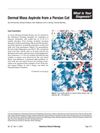
research Dermal Mass Aspirate from a Persian Cat
The Persian cat has a skin infection caused by a fungus, treatable with antifungal medication.

research Chitosan microparticles for sustaining the topical delivery of minoxidil sulphate
Chitosan microparticles improve minoxidil sulphate delivery, potentially reducing daily applications.

research Hyperandrogenism: Acne and Hirsutism
Hyperandrogenism, often causing excessive hair growth and acne, can be treated with methods like weight reduction, hair removal, various medications, and in the case of acne, topical treatments.
research Secondary Amenorrhea and Clinical Hyperandrogenism in a 34-Year-Old Female: Polycystic Ovary Syndrome or Not?
The woman's symptoms were due to an androgen-secreting tumor, not PCOS.
research The influence of sebaceous content on the performance of nanosystems designed for the treatment of follicular diseases
Excess sebum reduces the effectiveness of nanosystems for treating hair follicle conditions.
research Critères dermoscopiques d’un onychomatricome
Onychomatricome is a benign nail tumor with specific dermoscopic features that help distinguish it from cancer.
research Clinical Application of Development of Nonantibiotic Macrolides That Correct Inflammation-Driven Immune Dysfunction in Inflammatory Skin Diseases
Nonantibiotic macrolides show promise for treating various inflammatory skin conditions.
research Desenvolvimento e caracterização de nanopartículas poliméricas carregadas com fosfato de clindamicina para tratamento tópico da acne vulgar
NP-AH-CDM-4 nanoparticles show promise for effective topical acne treatment.
research Folliculotropic CD8+ mycosis fungoides associated with diffuse mucosal involvement
A rare type of skin cancer with mucosal involvement was partially treated but eventually relapsed.

research Pseudoacromegaly induced by the long-term use of minoxidil
Long-term minoxidil use can cause pseudoacromegaly, but stopping it improves symptoms.

research Vulvar Fordyce adenitis: A cohort of 45 women
Vulvar acne, also known as "vulvar Fordyce adenitis", is a condition causing painful bumps on the labia, and it's not always effectively treated with common acne medications, but isotretinoin has shown promise.
research ANDROGENETIC ALOPECIA: FROM MOLECULAR MECHANISMS TO ADVANCED TOPICAL DELIVERY SYSTEMS WITH EMPHASIS ON POLYMERIC MICELLES
Polymeric micelles offer a promising new way to treat hair loss with fewer side effects.