 13 citations
,
January 2012 in “International journal of trichology”
13 citations
,
January 2012 in “International journal of trichology” The study found that hair fragility in Pili annulati may be caused by cavities and damage within the hair shafts.
62 citations
,
December 2008 in “Journal of structural biology” Hair curvature in Japanese people is linked to specific cell types and filament arrangements in the hair cortex.
 November 2023 in “bioRxiv (Cold Spring Harbor Laboratory)”
 Scientists made a mouse that shows how a specific protein in the skin changes and affects hair growth and shape.
1 citations
,
April 2023 in “International journal of molecular sciences” Certain skin proteins can form anchoring structures without the protein AMACO.
11 citations
,
January 1996 in “PubMed” Imaging living plant cells shows dynamic changes in actin and endoplasmic reticulum linked to root hair growth.
Hair movement can indicate hair quality and health.
292 citations
,
October 1985 in “The Journal of Cell Biology” Keratins and filaggrin change as fetal skin develops, marking key stages of skin formation.
109 citations
,
April 1997 in “Archives of Dermatological Research” Mast cell and nerve fiber interactions in mouse skin change with the hair cycle.
 38 citations
,
October 2011 in “Analytical biochemistry”
38 citations
,
October 2011 in “Analytical biochemistry” Hair proteins have weak spots in their α-helical segments.
 April 2025 in “Journal of the Association for Research in Otolaryngology”
 NM2 and RLC phosphorylation are essential for normal inner ear hair cell function.
 January 1994 in “Nihon Chikusan Gakkaiho”
 Collagen fibrils in mink skin change structure during hair growth, becoming looser and thicker in the active phase.
31 citations
,
February 2007 in “Journal of Structural Biology” Oxidation changes the structure of hair protein filaments, causing them to compact and rearrange.
 13 citations
,
May 2016 in “International journal of biological macromolecules”
13 citations
,
May 2016 in “International journal of biological macromolecules” Keratin's mechanical properties are influenced by hydrogen bonds and secondary structure, and can be improved with the SPD-2 peptide.
 January 2025 in “PLoS ONE”
 Aligned membranes improve wound healing by reducing scars and promoting skin regeneration.
54 citations
,
November 1994 in “Differentiation” Trichohyalin is found in non-hair tissues and works with filaggrin in certain skin areas and conditions.
23 citations
,
January 1981 Hair is mostly made of three protein types: helical, high-sulfur, and high-tyrosine.
2 citations
,
January 2017 Hair movement can indicate hair quality and health.
41 citations
,
January 2001 in “Journal of Investigative Dermatology” 10 citations
,
January 1989 in “Archives of Dermatological Research” The method effectively analyzes human hair proteins, especially nonfilamentous ones.
 1 citations
,
June 2023 in “Journal of applied crystallography”
1 citations
,
June 2023 in “Journal of applied crystallography” The technique showed that human hair has two main parts, with 68% being rigid and the rest flexible, and water swelling affects its structure.
 2 citations
,
February 2024 in “Nature cell biology”
2 citations
,
February 2024 in “Nature cell biology” Mechanical forces are crucial for shaping cells and forming tissues during development.
 7 citations
,
February 1998 in “Polymer journal”
7 citations
,
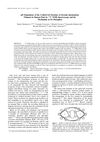
February 1998 in “Polymer journal” Keratin structure in hair is stable at pH 5-6 but disrupts between pH 6-7.
 March 2024 in “Advanced science”
 A new hydrogel made from human cells improves wound healing by working with immune cells to promote repair.
 3 citations
,
August 2012 in “Nature Cell Biology”
3 citations
,
August 2012 in “Nature Cell Biology” Certain proteins help nerve cells branch, and other findings relate to cancer, stem cell behavior, and cell division.
17 citations
,
February 2015 in “Experimental Dermatology” Keratins are crucial for hair strength, and mutations in certain keratin genes cause hair disorders.
 3 citations
,
January 1998 in “ACTA HISTOCHEMICA ET CYTOCHEMICA”
3 citations
,
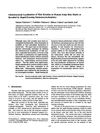
January 1998 in “ACTA HISTOCHEMICA ET CYTOCHEMICA” Hair keratins are mainly on macrofibrils in the cortex and in the endocuticle in the cuticle.
23 citations
,
April 2003 in “Journal of Structural Biology” Keratin structure changes during keratinization, but the exact model remains uncertain.
7 citations
,
January 1988 3 citations
,
January 1994  19 citations
,
February 2008 in “Archives of Dermatological Research”
19 citations
,
February 2008 in “Archives of Dermatological Research” Mast cells might contribute to hair loss by causing skin thickening.