1 citations
,
June 2016 in “FEBS open bio” Fish oil increased cell growth and macrophages in the skin but didn't affect COX-2 expression.
 40 citations
,
March 2022 in “Small”
40 citations
,
March 2022 in “Small” Hydrogel with M2-derived exosomes improves wound healing by slowly releasing exosomes that help reduce inflammation and promote tissue repair.
November 2025 in “Wound Repair and Regeneration” Single-cell sequencing shows that different types of macrophages have unique roles in wound healing.
 April 2016 in “Journal of Investigative Dermatology”
 Vitamin D can reduce skin inflammation caused by UV rays by enhancing cell "fitness" and skin repair.
June 2026 in “Morphology” Macrophages play a crucial role in skin wound healing, with their numbers and sizes changing over time.
2 citations
,
December 2011 in “[Thesis]. Manchester, UK: The University of Manchester; 2011.” Immune system failure in hair follicles causes lichen planopilaris, leading to hair loss.
October 2024 in “International journal of medicine and psychology.” Targeted immune modulation can help achieve stable remission in alopecia areata.
7 citations
,
January 2022 in “Biomedicines” Cells from the lower part of hair follicles are a promising, less invasive option for immune system therapies.
May 2023 in “The Journal of Immunology” BST2 is a key marker for hair loss disease alopecia areata.
 8 citations
,
August 2021 in “Aging”
8 citations
,
August 2021 in “Aging” Berberine may reduce prostate enlargement by blocking inflammation.
 51 citations
,
April 2020 in “Cells”
51 citations
,
April 2020 in “Cells” Special cell particles from macrophages can help hair grow.
 June 2025 in “bioRxiv (Cold Spring Harbor Laboratory)”
 In alopecia areata, certain immune cells increase and express a protein linked to immune activation.
April 2023 in “Journal of Investigative Dermatology” CD206+ macrophages are crucial for hair growth in alopecia areata treatment.
23 citations
,
April 2021 in “International Journal of Dermatology” COVID-19 may trigger systemic lupus erythematosus, requiring careful diagnosis and treatment.
 21 citations
,
July 2020 in “Stem Cell Research & Therapy”
21 citations
,
July 2020 in “Stem Cell Research & Therapy” Fat stem cells from diabetic mice can still help heal wounds.
3 citations
,
September 2024 in “Journal of Microbiology and Biotechnology” Human placenta extract reduces inflammation and symptoms in atopic dermatitis.
 April 2017 in “Journal of Investigative Dermatology”
 HPH-15, a new compound, effectively reduces skin fibrosis in experiments without causing harm.
37 citations
,
August 2019 in “Frontiers in Microbiology” Staphylococcus epidermidis A/C strains are more antibiotic-resistant and infection-adapted, while B strains thrive in hair follicles.
11 citations
,
January 2022 in “Experimental Dermatology” Severe CCCA may be biologically and clinically different from milder forms.
 5 citations
,
September 1989 in “Journal of The American Academy of Dermatology”
5 citations
,
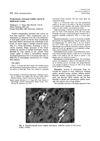
September 1989 in “Journal of The American Academy of Dermatology” Talc in street cocaine can cause immune-reactive skin nodules where injected.
2 citations
,
February 2024 in “International Journal of Molecular Sciences” Negative Pressure Wound Therapy speeds up wound healing by reducing inflammation and promoting skin cell growth.
 September 2017 in “Journal of Investigative Dermatology”
 The study found that sweat glands normally suppress immune responses, but this is disrupted in certain skin diseases, possibly contributing to their development.
November 2024 in “Journal of Investigative Dermatology” Red ginseng components help prevent skin aging by reducing inflammation and improving cell function.
May 2023 in “ACS Biomaterials Science & Engineering” The scaffold helps wounds heal without scars and promotes hair growth.
M-CSF-stimulated myeloid cells can turn into skin cells and help heal wounds and regrow hair.
January 2026 in “British Journal of Dermatology” Staphylococcus aureus affects immune responses and skin cells in atopic dermatitis, suggesting new treatment targets.
June 2025 in “Academic Medical Journal” Restoring hair follicle immune privilege may help treat alopecia areata.
 October 2025 in “Materials Today Bio”
 Axolotl-derived skin scaffolds may help heal wounds better by reducing scarring.
1 citations
,
February 2025 in “Cell Cycle” HAP stem cell sheets speed up wound healing and reduce scarring.
May 2001 in “Journal of Investigative Dermatology” The studies identified key factors and potential treatments for skin and hair disorders.