January 2020 in “JAAD case reports” Systemic mastocytosis may cause a type of hair loss called cicatricial alopecia.
July 2023 in “Media Dermato Venereologica Indonesiana” Accurate diagnosis of RDEB-mitis in older adults is crucial for proper management without immunosuppressants.
 7 citations
,
February 2010 in “British Journal of Dermatology”
7 citations
,
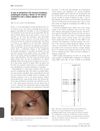
February 2010 in “British Journal of Dermatology” A woman with a rare autoimmune disorder had a blister on her eye and unique immune reaction, which was effectively treated with medication.
1 citations
,
January 2024 in “Journal of the Egyptian Womenʼs Dermatologic Society” Routine eye exams may be needed for alopecia areata patients due to common eye issues.
56 citations
,
September 2010 in “Veterinary pathology” Certain mouse strains develop a skin condition similar to a human hair loss disease due to genetic defects.
 1 citations
,
January 2014 in “Elsevier eBooks”
1 citations
,
January 2014 in “Elsevier eBooks” Melanocytes produce melanin; their defects cause vitiligo and hair graying, with treatments available for vitiligo.
1 citations
,
December 2024 in “Case Reports in Dermatology” Cyclophosphamide likely causes skin darkening by affecting hair follicles.
4 citations
,
July 2013 in “The Journal of Dermatology” A rare skin condition caused scarring hair loss on the scalp.
January 2025 in “Clinical Case Reports” Timely and aggressive treatment is crucial for improving outcomes in severe complications of adult-onset Still's disease.
 April 2019 in “Journal of Investigative Dermatology”
 Non-coding RNA boosts retinoic acid production and signaling, aiding regeneration.
3 citations
,
January 2008 in “Drug Safety” 1 citations
,
September 2022 in “Canadian Journal of Ophthalmology” Paraproteinemic keratopathy can show eye symptoms before other signs of disease, needing careful treatment and long-term follow-up.
 1 citations
,
October 2021 in “Journal of Medical Case Reports”
1 citations
,
October 2021 in “Journal of Medical Case Reports” Using minoxidil for hair loss might cause sudden vision loss, so use it with caution and monitor closely.
 4 citations
,
February 2022 in “International Journal of Molecular Sciences”
4 citations
,
February 2022 in “International Journal of Molecular Sciences” Myotonic Dystrophy may age cells faster, and drugs that target aging could be potential treatments.
 9 citations
,
September 2009 in “Journal of Cutaneous Medicine and Surgery”
9 citations
,
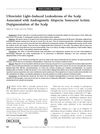
September 2009 in “Journal of Cutaneous Medicine and Surgery” UV light causes skin color loss in bald areas; wear a cap and use sunscreen.
September 2025 in “Case Reports in Ophthalmology” Short-term use of topical minoxidil can cause eye issues, but stopping it can resolve the problem.
January 2026 in “Aging and Disease” The α-MSH-MC1R-cAMP pathway does not protect skin cells from UVA damage.
 January 1999 in “Journal of the European Academy of Dermatology and Venereology”
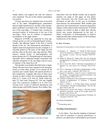
 RAPK is a rare skin disorder with pigmented spots, mainly on hands and feet, starting in youth.
 June 2025 in “Cell Regeneration”
 Lack of a certain enzyme causes hair to grey early by damaging stem cells, but an antioxidant can help prevent this.
 7 citations
,
November 2011 in “Skin Research and Technology”
7 citations
,
November 2011 in “Skin Research and Technology” The study found a specific pattern of uneven melanin distribution on balding scalps that could help understand skin diseases caused by light exposure.
2 citations
,
May 2024 in “International Journal of Molecular Sciences” Targeting CD169+ skin macrophages may help treat psoriasis.
 May 2015 in “Journal of Investigative Dermatology”
 Melanoma risk tools need improvement, a gene mutation causes a hair disorder that might be treated by managing cell stress, a potential therapy for a skin-ear disorder involves blocking cell channels, skin wrinkling may indicate lung aging regardless of smoking, and oxidative stress might contribute to common baldness.
 December 2025 in “Cureus”
 Localized dystrophic epidermolysis bullosa (DEB) can lead to scarring alopecia, highlighting the need to recognize and address this complication.
April 2021 in “Authorea (Authorea)” A 20-year-old woman had stable Progressive Hemifacial Atrophy and Vitiligo after treatment, suggesting a possible link between the conditions.
54 citations
,
December 2011 in “American Journal Of Pathology” A Gsdma3 mutation causes hair loss due to stem cell damage from skin inflammation.
24 citations
,
January 2023 in “Cancer Research” AMPK activation may reduce melanoma risk in red-haired individuals.
January 2016 in “UNESP Institutional Repository (São Paulo State University)” Melasma results from changes in the skin's pigment and structure, not just pigment cell growth.
 6 citations
,
January 2016 in “Journal of Clinical and Diagnostic Research”
6 citations
,
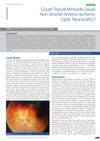
January 2016 in “Journal of Clinical and Diagnostic Research” Topical minoxidil might potentially cause vision problems, but more research is needed.
June 2025 in “Australasian Journal of Dermatology” Pigmented rings with central clearing help diagnose melasma more accurately.
39 citations
,
September 2018 in “American Journal of Medical Genetics Part A” A new genetic mutation in the ODC1 gene causes developmental delay and other symptoms in a young girl.