 9 citations
,
September 2011 in “Cutaneous and Ocular Toxicology”
9 citations
,
September 2011 in “Cutaneous and Ocular Toxicology” Using 2% minoxidil for baldness treatment might cause vision distortion due to fluid build-up under the retina.
 April 2024 in “Indian journal of ophthalmology. Case reports”
 Using minoxidil for hair loss might rarely cause a vision problem where fluid builds up under the retina.
 January 2023 in “TNOA journal of ophthalmic science and research”
 Minoxidil may cause vision problems.
 5 citations
,
September 2015 in “Nepalese journal of ophthalmology”
5 citations
,
September 2015 in “Nepalese journal of ophthalmology” An 11-year-old girl with a rare skin disorder also had cornea issues and dry eye, needing careful management.
November 2025 in “Journal of Investigative Dermatology” Alpha-MSH affects mitochondrial function, and MC1R mutations may increase skin aging.
July 2022 in “European Journal of Dermatology” Brodalumab is more effective than ustekinumab in treating psoriasis.
15 citations
,
December 2013 in “Clinical Cosmetic and Investigational Dermatology” MAGP-1 decreases with age, leading to weaker, sagging skin.
 July 2012 in “Reactions Weekly”
 Minoxidil use was linked to a rare eye condition that improved after stopping the treatment.
 2 citations
,
March 2023 in “JAAD case reports”
2 citations
,
March 2023 in “JAAD case reports” Hair repigmentation can indicate malignancy and should be investigated.
May 2024 in “Clinical and experimental optometry”  33 citations
,
November 2006 in “Survey of Ophthalmology”
33 citations
,
November 2006 in “Survey of Ophthalmology” Madarosis is the loss of eyelashes and eyebrows due to various health issues and requires thorough examination to diagnose and treat the underlying cause.
 1 citations
,
April 2025 in “Romanian Journal of Ophthalmology”
1 citations
,
April 2025 in “Romanian Journal of Ophthalmology” Minoxidil might cause eye issues, so early detection is important.
April 2014 in “Investigative Ophthalmology & Visual Science” 144 citations
,
December 2017 in “Pigment cell & melanoma research” Melasma is now considered a skin aging disorder caused by sun exposure in people with a genetic tendency, which impacts treatment and prevention approaches.
January 2016 in “e-Oftalmo CBO Revista Digital de Oftalmologia” CSC is linked to mineralocorticoid receptor damage, stress, and steroid use, with treatments including drugs and laser therapies to prevent eye damage.

Oral Minoxidil can cause serious eye problems, but stopping it can improve vision.
1 citations
,
December 2019 in “Canadian journal of ophthalmology” A girl with type 1 diabetes developed a serious eye condition very early, suggesting the need for earlier eye checks and that early treatment can work well.
 May 2025 in “BMJ Case Reports”
 Minoxidil can cause temporary vision loss and color blindness.
22 citations
,
April 2012 in “The American journal of pathology” Loss of Msx2 function causes eye development issues similar to Peters anomaly.
 5 citations
,
February 2018 in “Military medicine”
5 citations
,
February 2018 in “Military medicine” A U.S. Naval fighter pilot suffered permanent vision loss in one eye due to recurrent central serous retinopathy.
 November 2017 in “Journal of Surgical Academia”
 Visual field defects in lupus nephritis can be caused by hypertensive retinopathy, not glaucoma or medication toxicity.

Using Minoxidil for hair loss might cause eye problems, but it's not certain.
July 1979 in “Archives of Dermatology” A 68-year-old woman with benign mucous membrane pemphigoid has eye, mouth, and skin issues, including thick plaques and nail changes.
July 2026 in “Journal of the American Academy of Dermatology” Alopecia areata patients have a higher risk of retinal issues, but routine eye checks should be symptom-based.
 May 2025 in “The Journal of Rheumatology”
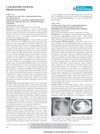
 Correct diagnosis is crucial for treating overlapping conditions like NMOSD and SLE effectively.
 May 2023 in “Indian journal of dermatology, venereology, and leprology”
 The document concludes that understanding tissue degeneration is crucial for diagnosing skin lesions.
 April 2018 in “Journal of Investigative Dermatology”
 Macrophages are more involved in Lichen planopilaris than in Frontal fibrosing alopecia.
2 citations
,
June 2013 in “Journal of Clinical Pathology” The LMNA mutation affects skin structure even in asymptomatic carriers.
20 citations
,
November 2004 in “Archives of Pathology & Laboratory Medicine” A rare benign skin growth called melanocytic matricoma was identified in a 69-year-old man.
 April 2026 in “The National Medical Journal of India”
 Regular eye exams are important for detecting serious complications in lupus patients.