January 2016 in “Indian dermatology online journal” The patient has frontal fibrosing alopecia (FFA).
6 citations
,
October 2022 in “International Journal of Molecular Sciences” Male mice with FGF5 mutations grow longer hair than females.
4 citations
,
February 2023 in “International Journal of Stem Cells” The FTO gene hinders stem cells in hair follicles from becoming pigment cells.
1 citations
,
March 2007 in “Journal of Chinese Integrative Medicine” HXBSM boosts blood vessel growth and hair growth in mice.

Lack of Fgf21 slows hair growth by affecting gene interactions.
January 2012 in “Zhongguo shengwuzhipinxue zazhi” The material improved facial wrinkles and skin appearance.
 20 citations
,
January 2016 in “Intractable & Rare Diseases Research”
20 citations
,
January 2016 in “Intractable & Rare Diseases Research” Combination therapy, especially with finasteride, is effective for treating frontal fibrosing alopecia.
January 2008 in “xPharm: The Comprehensive Pharmacology Reference” November 2024 in “Actas Dermo-Sifiliográficas” Low-dose oral minoxidil can improve hair and eyebrow growth in frontal fibrosing alopecia.

Activin A and Follistatin affect how mouse hair follicles grow.
92 citations
,
May 2004 in “Journal of Investigative Dermatology” 12 citations
,
July 2020 in “Actas Dermo-Sifiliográficas” Frontal fibrosing alopecia mostly affects postmenopausal women, often involves eyebrows, and is linked to conditions like lichen planus and rosacea.
 September 2024 in “Journal of the American Academy of Dermatology”
 Phenoxyethanol in hair growth products may be linked to frontal fibrosing alopecia.
125 citations
,
February 2007 in “The EMBO Journal” Fgfr2b helps maintain healthy skin and prevent cancer.
April 2014 in “The FASEB Journal” Testosterone reduces knee movement, while flutamide and finasteride increase it.
3 citations
,
May 2025 in “Lasers in Surgery and Medicine” Microneedle radiofrequency helps skin repair and rejuvenate by activating fibroblasts and remodeling the skin's structure.
 January 2017 in “NASA Technical Reports Server (NASA)”
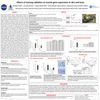
 Early changes in skin gene expression can predict later bone mass loss after radiation exposure.
 2 citations
,
April 2020 in “bioRxiv (Cold Spring Harbor Laboratory)”
2 citations
,
April 2020 in “bioRxiv (Cold Spring Harbor Laboratory)” The skin's basement membrane is specially designed to support different types of connections between skin layers and hair follicles.
 January 2025 in “Journal of Food Biochemistry”
 2′‐Fucosyllactose reduces hair loss and promotes hair growth in mice.
 September 2022 in “XXXIX Congresso Brasileiro de Reumatologia”
 Tofacitinib may effectively treat skin symptoms in difficult cases of dermatomyositis.
 1 citations
,
November 2023 in “Contact dermatitis”
1 citations
,
November 2023 in “Contact dermatitis” Some people with Frontal Fibrosing Alopecia may be allergic to a common sunscreen ingredient.
 33 citations
,
January 2010 in “Case reports in dermatology”
33 citations
,
January 2010 in “Case reports in dermatology” Dermoscopy helps diagnose frontal fibrosing alopecia by distinguishing it from other hair loss conditions.
 3 citations
,
July 2020 in “Frontiers in Cell and Developmental Biology”
3 citations
,
July 2020 in “Frontiers in Cell and Developmental Biology” Vitexin Compound 1 may help reduce skin aging caused by UVA light.
79 citations
,
January 2002 in “Nucleic Acids Research” BMP-2 activates the Dlx3 gene in mouse skin cells, important for hair and skin development.
 June 2026 in “Springer Link (Chiba Institute of Technology)”
 FGFs have evolved differently across species, affecting skin and wound healing.
June 2026 in “British Journal of Dermatology” Hair transplants may trigger frontal fibrosing alopecia.
December 2024 in “Skin Appendage Disorders” Accurate diagnosis and treatment improved symptoms in a patient with alopecia linked to mycosis fungoides.
March 2026 in “Journal of Multidisciplinary Applied Natural Science” Cosmos caudatus extract is as effective as finasteride for treating benign prostatic hyperplasia without its side effects.
 July 2015 in “Journal of the Dermatology Nurses’ Association”
 A 66-year-old woman experienced hair loss due to Frontal Fibrosing Alopecia, a condition with no consistently effective treatment, but it usually stabilizes over time. More research is needed for better understanding and treatment options.