 12 citations
,
January 1981 in “Springer eBooks”
12 citations
,
January 1981 in “Springer eBooks” Environmental factors like temperature and nutrition affect hair growth, with humans showing seasonal hair growth differences.
3 citations
,
October 2006 in “Journal of dermatology” X-ray microscopy can non-invasively show hair structure changes after treatments, but it's less detailed than TEM and needs improvement.
 2 citations
,
June 2022 in “Journal of Applied Pharmaceutical Science”
2 citations
,
June 2022 in “Journal of Applied Pharmaceutical Science” 4-O-Methylhonokiol from Magnolia shows promise for hair growth, cancer, diabetes, and more, but needs better absorption.
2 citations
,
April 2022 in “Biomedicines” Low-frequency electromagnetic fields may help hair growth by affecting certain growth-related molecules.
 6 citations
,
September 2023 in “Experimental physiology”
6 citations
,
September 2023 in “Experimental physiology” A special receptor in sensory nerve endings helps control how they respond to stretching.
 January 2024 in “OPAL (Open@LaTrobe) (La Trobe University)”
 TRPV3 channels are involved in skin processes and are affected by shear stress, influencing itch and mechanotransduction.
 December 2022 in “bioRxiv (Cold Spring Harbor Laboratory)”
 MicroRNA-205 helps hair grow by changing the stiffness and contraction of hair follicle cells.
 31 citations
,
November 2016 in “Cell Reports”
31 citations
,
November 2016 in “Cell Reports” Touch sensitivity in mouse skin decreases during hair growth due to changes in touch receptors.
1 citations
,
May 2012 in “Clinical and Experimental Dermatology” Iron can be present in hair color changes without overall iron deficiency.
January 2026 in “Regenerative Therapy” Low-frequency electromagnetic fields may help treat hair loss by promoting hair regrowth.
 October 2023 in “Materials chemistry and physics (Print)”
 Adding keratin to a mix of cow hair and plant-based plastic makes it stronger.
 227 citations
,
December 2021 in “ACS Nano”
227 citations
,
December 2021 in “ACS Nano” Special hydrogels that respond to light can speed up wound healing and prevent infection.
 April 2026 in “Zenodo (CERN European Organization for Nuclear Research)”
 DHT increases scalp heat, causing hair loss.
 January 2017 in “NASA Technical Reports Server (NASA)”
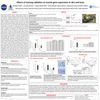
 Early changes in skin gene expression can predict later bone mass loss after radiation exposure.
9 citations
,
January 2007 in “mediaTUM – the media and publications repository of the Technical University Munich (Technical University Munich)” Microbeam radiation therapy's dose distribution changes with depth.
3 citations
,
October 2024 in “International Journal of Molecular Sciences” CRET therapy affects inflammation in skin cells by changing cytokine levels and activating certain proteins.
5 citations
,
January 1976 in “Acta Dermato Venereologica” Sodium and potassium levels in Egyptian scalp hair differ by sex and can aid in legal cases.

Mechanical surface cues can control macrophage behavior for better immunotherapy and tissue healing.
July 2024 in “Journal of Investigative Dermatology” Human hair follicles have their own thyroid hormone system.
 6 citations
,
November 2008 in “Journal of Dermatological Science”
6 citations
,
November 2008 in “Journal of Dermatological Science” Certain proteins involved in DNA modification may affect the genetic changes in systemic lupus erythematosus and could indicate the disease's activity.
 31 citations
,
September 1999 in “Dermatologic Surgery”
31 citations
,
September 1999 in “Dermatologic Surgery” Cooling hair micrografts during transplantation does not improve their survival or growth.
 92 citations
,
September 2015 in “Journal of Lipid Research”
92 citations
,
September 2015 in “Journal of Lipid Research” Skin fat helps with body temperature control and has other active roles in health.
 January 2005 in “Seibutsu Butsuri/Seibutsu butsuri”
 Chemical treatments damage hair more than UV exposure, making it thinner and less flexible.
 January 2012 in “Methods in pharmacology and toxicology”
 TRPV3 could be a target for treating pain, skin disorders, and hair problems, but more research is needed to create effective drugs.
 42 citations
,
April 2008 in “Acta materialia”
42 citations
,
April 2008 in “Acta materialia” Different ethnicities and treatments affect human hair strength and structure.
24 citations
,
February 2021 in “Polymers” The mats help heal wounds and support bone growth while controlling infections.
June 2026 in “Clay Minerals” Clay minerals are promising for better wound dressings due to their absorption, compatibility, and potential for improved healing.
1 citations
,
January 2025 in “Regenerative Biomaterials” Exosomes from Pinctada martensii mucus can safely reduce melanin production, offering a new treatment for skin pigment issues.
83 citations
,
May 2022 in “Journal of Advanced Research” Enhancing glycolysis in mesenchymal stromal/stem cells boosts their immune functions and therapy potential.