 January 2017 in “Dermatology Review”
 Skin issues from chronic graft-versus-host disease greatly affect daily life, needing teamwork between blood and skin doctors.
15 citations
,
January 2018 in “Journal of Cutaneous Medicine and Surgery” It's important to understand the differences between FMF and PFM in children.
March 2025 in “European Journal of Medical Genetics” Tofacitinib helped improve symptoms and hair growth in a patient with Aicardi-Goutières syndrome.
8 citations
,
January 2013 in “International journal of trichology” Two people had unusual ring-shaped hair loss due to an autoimmune disorder.

Baricitinib may reactivate trichilemmal cysts in people with a history of these cysts.
 November 2023 in “The journal of investigative dermatology/Journal of investigative dermatology”
 The study developed a mouse model for Alopecia Areata that responds to treatment, useful for future research.
 June 2024 in “British Journal of Dermatology”
 Scalp disease in dermatomyositis causes significant symptoms and has unique features.

A neck lesion misdiagnosed as benign was later treated successfully with Mohs Micrographic Surgery.
6 citations
,
April 2012 in “Muscle & nerve” Recognizing the link between certain autoimmune disorders and neurological conditions can improve diagnosis and treatment.
36 citations
,
December 2004 in “British Journal of Dermatology” The cyst had unusual keratin spherules and resembled bone marrow.
 February 2024 in “PloS one”
 Tofacitinib and adalimumab are promising treatments for cicatricial alopecia with few side effects.
18 citations
,
July 2010 in “Journal of the American Academy of Dermatology” Folliculotropic mycosis fungoides can look like alopecia areata.
June 2022 in “Annals of Indian Academy of Neurology” A woman's shingles infection triggered her first episode of a rare neurological disorder and blood vessel inflammation.
6 citations
,
April 2010 in “Arthritis Care & Research” Antituberculous drugs improved symptoms in a woman with lupus and myositis.
 1 citations
,
May 2015 in “Journal of The American Academy of Dermatology”
1 citations
,
May 2015 in “Journal of The American Academy of Dermatology” Both azathioprine and betamethasone treatments effectively regrow hair in alopecia areata, but azathioprine may be safer.
 1 citations
,
May 2023 in “Cureus”
1 citations
,
May 2023 in “Cureus” A rare hair follicle tumor in the hand was successfully removed with no return after four years.
September 2025 in “Journal of Clinical Medicine” Elevated granulysin levels may indicate disease activity in vitiligo and alopecia areata.
 1 citations
,
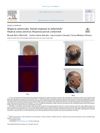
July 2019 in “Medicina Clínica (English Edition)”
1 citations
,
July 2019 in “Medicina Clínica (English Edition)” Tofacitinib partially improved hair regrowth in a patient with severe hair loss.
 January 2016 in “대한피부과학회지”
 Bortezomib chemotherapy can cause temporary skin rashes.
6 citations
,
June 1986 in “The Journal of Dermatology” Reticular erythematous mucinosis syndrome can occur with minimal mucin deposition.
 May 2010 in “Journal of the Dermatology Nurses' Association”
 Cicatricial alopecia causes permanent hair loss and is treated to relieve symptoms and stop progression.
 80 citations
,
June 2000 in “Modern Pathology”
80 citations
,
June 2000 in “Modern Pathology” Long-standing benign tumors can become cancerous, especially in people with weakened immune systems.
December 2025 in “Journal of Human Immunity” JAK inhibitors may help improve symptoms in adults with APECED.
May 2021 in “Medicina internă” High-dose corticosteroid treatment helped improve symptoms in a patient with Adult Onset Still Disease.
 September 2023 in “JAAD case reports”
 A man developed oral hairy leukoplakia while on baricitinib, a medication for alopecia and arthritis, and doctors should watch for such side effects.
19 citations
,
April 2019 in “Veterinary dermatology” Oclacitinib effectively treated a skin condition in dogs that didn't respond to other immunosuppressants.
 November 2023 in “The journal of investigative dermatology/Journal of investigative dermatology”
 Removing MCPIP1 from myeloid cells in mice leads to hair loss and prevents skin tumors but causes pigmented spots.
 August 2025 in “International Journal of Research in Dermatology”
 Combining glucocorticoids with immunosuppressants like cyclophosphamide improves remission and reduces relapse in pemphigus patients.

The document concludes that the development of certain tumors is influenced by genetic background and that a specific gene modification can lead to tumor regression and reduced growth.
 March 2014 in “Journal of The American Academy of Dermatology”
 Reflectance confocal microscopy can noninvasively diagnose onychomatricoma by showing unique features different from healthy nails or nail fungus.