 May 2025 in “Cermin Dunia Kedokteran”
 Early detection and tailored treatment of lupus nephritis are crucial to prevent kidney damage.
 February 2025 in “Biointerface Research in Applied Chemistry”
 Repurposing existing drugs can quickly and cheaply find new treatments for diseases.
 September 2024 in “Cureus”
 Early detection and targeted management are crucial for better outcomes in systemic lupus erythematosus.
 August 2024 in “Journal of Dermatology & Cosmetology”
 Acitretin effectively prevented skin cancer in a patient with late-onset Rothmund-Thomson syndrome.

Dexamethasone-primed stem cell media shows promise in treating lupus by reducing symptoms and inflammation.

The US Military supports transgender health care, but many needed skin procedures aren't covered by insurance.
 June 2024 in “Research Square (Research Square)”
 Absence of skin rash and low complement C3 levels increase the risk of lupus nephritis.

Injectable PRF therapy may help with hair growth and skin rejuvenation, but more research is needed.

Gender-specific analysis could improve treatment for childhood systemic lupus erythematosus.
 April 2024 in “International journal of women's health”
 Adult female acne is a complex condition that can worsen with menopause, requiring holistic treatment and tailored skincare at different life stages.
 February 2024 in “Journal of dermatology research reviews & reports”
 A 50-year-old woman with breast cancer developed an autoimmune skin disorder, highlighting the need for thorough checks and team-based treatment.
 January 2024 in “Dermatology Review”
 Combining PRP with hydroquinone is more effective for treating melasma than using hydroquinone alone.
 December 2023 in “Intisari Sains Medis”
 SLE and DM can coexist but are rare and need careful evaluation.

Recognizing unusual brain and skin symptoms is crucial for diagnosing lupus early.
 July 2023 in “International journal of pharmacognosy and life science”
 The herbal hair oil made from various plants might be a good alternative to synthetic hair loss treatments.
 July 2023 in “The Egyptian Journal of Hospital Medicine ”
 The conclusion is that emotional support and a variety of treatments are important for alopecia areata, but more research is needed.

A woman in Sri Lanka was diagnosed with lupus after presenting with protein loss from the gut and other symptoms.
 December 2022 in “Biological and Clinical Sciences Research Journal”
 Early treatment of mixed connective tissue disease is crucial to prevent severe autoimmune conditions.
 November 2022 in “Journal of The Pakistan Dental Association”
 Oral ulcers are common in SLE patients and often link to other symptoms.

Clinical signs don't match inflammation levels in lichen planopilaris and frontal fibrosing alopecia.
 March 2022 in “Journal of South Asian Association of Pediatric Dentistry”
 Dentists should start preventive treatments early for children with Ichthyosis Vulgaris to avoid dental problems.
 February 2022 in “International Journal of Complementary & Alternative Medicine”
 Good hair and scalp health indicate good overall health.

Researchers found a genetic link for hereditary hair loss but need more analysis to identify the exact gene.

A man with four autoimmune diseases suggests a new category for multiple autoimmune syndrome.
 January 2020 in “International Journal of PharmTech Research”
 A man with severe leprosy developed painless ulcers and numbness, treated successfully with multiple drugs and vitamins.
 September 2019 in “Philippine Journal of Internal Medicine”
 Early immunosuppressive therapy leads to favorable outcomes in Filipino lupus patients with myocarditis.
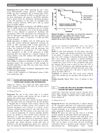 April 2019 in “Abstracts”
 Adding colchicine stopped the girl's recurring heart issues caused by lupus.
 March 2019 in “Journal of medical science and clinical research”
 Skin problems are common and early signs of Systemic Lupus Erythematosus, and certain immune system markers are important for diagnosis and treatment.
 January 2019 in “ARC journal of pharmaceutical sciences”
 Acne can be managed with various treatments and requires psychological support due to its emotional impact.
 January 2019 in “Springer eBooks”
 Acne can appear or persist in adulthood due to hormonal changes, external factors, or substance use, and requires appropriate treatment.