71 citations
,
December 2010 in “Preventive Veterinary Medicine” Young dogs and cats in Western Turkey often have skin infections caused by fungi, especially Microsporum canis.
 39 citations
,
October 2010 in “Journal of The American Academy of Dermatology”
39 citations
,
October 2010 in “Journal of The American Academy of Dermatology” Some patients with mycosis fungoides or Sézary syndrome experience hair loss, which may be similar to alopecia areata or linked to skin lesions, possibly due to abnormal T cells, and bexarotene can help treat it.
December 2025 in “Mycoses” The study developed a successful mouse model to study skin infections, highlighting the importance of choosing the right fungal strains.
July 2025 in “Journal of Investigative Dermatology” Candida auris uses the immune response to colonize hair follicles.
2 citations
,
January 2002 in “PubMed” Proper identification of dermatophytes is crucial for diagnosing and treating infections like athlete's foot and ringworm.
52 citations
,
April 2000 in “International Journal of Dermatology” Tinea capitis in Benghazi mainly affects children under 10, with Trichophyton violaceum as the leading cause.
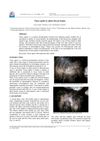
An adult Libyan woman was successfully treated for a rare scalp infection usually seen in children.
June 2020 in “Comparative medicine” NSG mice had the most mites, and genetic factors affect immune response and susceptibility.
 January 2016 in “Experimental Dermatology”
 New findings suggest potential treatments for melanoma, hyperpigmentation, hair defects, and multiple sclerosis, and show skin microbiome changes don't cause atopic dermatitis.
19 citations
,
August 2024 in “Cell Host & Microbe”  April 2023 in “Journal of Investigative Dermatology”
 MPZL3 protein helps control the size of oil glands and the growth of oil-producing cells in both mice and humans.
December 2004 in “Microbial Ecology in Health and Disease” Pityriasis amiantacea is linked to Staphylococcus aureus infection and can be effectively treated with antibiotics, corticosteroids, and coal tar.
20 citations
,
November 1989 in “PubMed” Accurate fungal identification is crucial for proper treatment in immunocompromised patients.
 4 citations
,
March 2021 in “Parasitology Research”
4 citations
,
March 2021 in “Parasitology Research” Besnoitiosis, a parasitic disease, has been found in donkeys in Italy and may be more common in Europe than previously thought.
 January 2025 in “Journal of the European Academy of Dermatology and Venereology”
 Trichophyton mentagrophytes genotype VII is a sexually transmitted fungus causing skin issues, mainly among men who have sex with men in Europe, and requires quick treatment.
2 citations
,
May 2022 in “Ukraïnsʹkij žurnal medicini bìologìï ta sportu” Disruptions in skin microbiome can lead to seborrheic dermatitis.
 69 citations
,
January 2020 in “Veterinary World”
69 citations
,
January 2020 in “Veterinary World” Ringworm in pets is influenced by fungi type, immune status, and stress hormones.
October 2024 in “Archives of Dermatological Research” February 1988 in “Journal of the American Academy of Dermatology” 15 citations
,
July 2015 in “Journal of exotic pet medicine” Humans, especially vulnerable groups, can catch skin infections from small mammals.
5 citations
,
November 2010 in “Veterinary Record” The monkeys' skin infection was cured in eight weeks using oral terbinafine, topical washes, and disinfectant fogging.
2 citations
,
January 2017 in “Ciência Rural” A capuchin monkey with a skin infection was successfully treated with itraconazole.

A rapid screening method using trichoscopy and clinical data can improve diagnosis and treatment of tinea capitis.
 1 citations
,
July 2022 in “PLOS ONE”
1 citations
,
July 2022 in “PLOS ONE” The study concluded that people with Lichen Planopilaris have a more diverse scalp bacteria and different metabolic pathways compared to healthy individuals.
 1 citations
,
September 2019 in “BMC veterinary research”
1 citations
,
September 2019 in “BMC veterinary research” Malarone® caused pancreatitis and hair loss in a dog for the first time.
38 citations
,
September 1997 in “The journal of investigative dermatology/Journal of investigative dermatology” A mutation in mice causes hair loss and skin issues due to a defect in a gene affecting cell adhesion.
 November 2023 in “Journal of Basic Microbiology”
 Green-synthesized zinc oxide nanoparticles effectively inhibit common fungi found on human scalp hair.
18 citations
,
June 2004 in “Mycoses” Two patients with a rare scalp fungus in Poland were successfully treated with griseofulvin and ciclopirox.
 84 citations
,
April 2013 in “Applied Microbiology and Biotechnology”
84 citations
,
April 2013 in “Applied Microbiology and Biotechnology” Mannosylerythritol lipids are good for skin and hair care products.
 12 citations
,
March 2010 in “Revista iberoamericana de micología”
12 citations
,
March 2010 in “Revista iberoamericana de micología” The cat died from a hard-to-treat fungal infection despite various treatments.