Search
forProducts matching "manganese"
Tracking 2 products like 218 Mega We Care Zincomin and 226 VISTRA Hair Regenerating Capsules from by companies like ZeeMoreUncle. View all 2 products »
Sort by
Research
390-420 / 1000+ resultsresearch Trace element status of the patients with alopecia areata
People with alopecia areata have lower blood zinc and iron, and higher hair iron, copper, chromium, and nickel.

research Zinc: an undervalued microelement in research and treatment
Zinc is important for health and its supplementation may help treat various conditions.
research Alterations in transcriptome and antioxidant activity of naturally aged mice exposed to selenium-rich rice
Eating selenium-rich rice improved antioxidant activity and signs of aging in mice.
research The misogyny of iron deficiency
Iron deficiency in women is common, often overlooked, and needs better recognition and treatment.
research Concentrations of Bioelements (Zn, Cu, Fe, Cr, Mg, Mn) in Serum and Bone Tissue of Aging Men Undergoing Hip Arthroplasty: Implications for Erectile Dysfunction
Zinc and copper levels may affect erectile dysfunction by influencing hormone levels.
research Mechanistic Approach on the Pulmonary Oxido-Inflammatory Stress Induced by Cobalt Ferrite Nanoparticles in Rats
Daily intake of 0.5 or 5 mg cobalt ferrite nanoparticles can harm lungs through oxidative and inflammatory stress.
research 4-hydroxynonenal, a lipid peroxidation product, inhibits glutathione peroxidase: Protective effect of glutathione
Selenium is crucial for health, but both deficiency and excess can cause problems.
research Mechanically Robust MXene‐Metal Polyphenol Network Hybrid Interfaces for Multifunctional Protection of Keratin Fibers
The new coating protects and strengthens hair while improving its properties.
research Beneficial effects of zinc on reducing severity of depression
Zinc helps reduce the severity of depression.

research Influence of Selenium Supplementation on Mercury Levels in hair of Metropolitan Residents in China: Spatial Distribution, Impact Factors, and Antagonism
Selenium supplements may reduce mercury levels in the hair of city dwellers in China.
research Selenium and its Inorganic Compounds [BAT Value Documentation, 2011]
Selenium is essential for health, but too much or too little can cause problems; blood selenium levels are a good measure of intake.
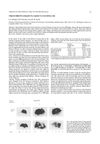
research Alopecia induced in young mice by exposure to excess dietary zinc
Too much zinc in the diet can cause hair loss and color change in young mice by reducing copper in the body.
research The Mask Mutation Identifies TMPRSS6 as an Essential Suppressor of Hepcidin Gene Expression, Required for Normal Uptake of Dietary Iron.
TMPRSS6 is crucial for controlling hepcidin and normal iron absorption.
research Tetrathiomolybdate Decreases the Expression of Alkaline Phosphatase in Dermal Papilla Cells by Increasing Mitochondrial ROS Production
Tetrathiomolybdate reduces hair growth marker in skin cells by boosting harmful oxygen molecules, but effects can be reversed.
research Selenium: When a good nutrient goes bad
Selenium is essential in small amounts but toxic in excess, requiring careful management.
research Effect of mycophenolic acid on proliferation of dermal papilla cells and induction of anagen hair follicles
Mycophenolic acid may help treat hair loss by promoting hair growth and cell proliferation.
research Assessment of ameliorative potential of Aegle marmelos fruit extract against hematological and biochemical alterations in sub-acute arsenic toxicity in mice
Aegle marmelos fruit extract can protect against arsenic toxicity in mice.
research Effect of oral selenium supplementation on hair health of patients with beta thalassemia major
research Case report on premature hair graying treated with Melitane 5% and oral hair supplements
Melitane 5% and hair supplements improved hair color in a 14-year-old with early graying.

research Hair Zinc and Chromium Levels Were Associated with a Reduced Likelihood of Age Related Cognitive Decline in Centenarians and Oldest-Old Adults
Higher hair levels of zinc and chromium were linked to less cognitive decline in very old people.
research Effect of Fluorine and Selenium on MDA Level of Human Scalp Hair Follicle In Vitro
High fluoride increases damage in hair follicles, but low selenium can reduce this damage at lower fluoride levels.
research Hair Tissue Mineral Analysis and Metabolic Syndrome
research Selenium Toxicity: A Case of Selenosis Caused by a Nutritional Supplement
Excessive selenium from supplements can be harmful.

research Making Mg Magnificent
Special astroglia cells improved stroke recovery in rats, a hair growth drug reduced cancer spread, and tiny magnesium structures were more easily shaped.
research 457 Impact of alpha-melanocyte-stimulating hormone on mitochondrial function in human dermal fibroblasts
Alpha-MSH affects mitochondrial function, and MC1R mutations may increase skin aging.
research Voltammetric sensing of minoxidil using a molecularly imprinted polymer (MIP)-modified carbon paste electrode
A new sensor can detect minoxidil accurately and effectively.
research Metals in female scalp hair globally and its impact on perceived hair health
Higher metal levels in hair are linked to poorer perceived hair health.
research Determination of protonation state in molecular salt of minoxidil and 2,4-dihydroxybenzoic acid through a combined experimental and theoretical study: influence of proton transfer on biological activities
The MXD/24HA salt is more effective for hair growth than raw MXD.
research Coarse to Fine Hair Conversion Induced by Zinc in C57/6J Mice.
Zinc made mice's coarse hair turn into fine hair without affecting skin structure.