December 2025 in “Sustainable Chemistry One World” Mangosteen waste can be used as an eco-friendly natural hair dye, producing a lasting reddish color and strengthening hair.
21 citations
,
June 1983 in “Pediatric clinics of North America/The Pediatric clinics of North America” Zinc is vital for skin health and overall body functions, and deficiency can cause serious health issues.
1 citations
,
January 1993 Zinc is crucial for animal health, and diets often need zinc supplements to prevent deficiency.
40 citations
,
July 1981 in “Journal of Neuropathology & Experimental Neurology” Copper injections improved symptoms and prevented brain damage in brindled mice.
3 citations
,
November 2024 in “Electrochimica Acta” A new, quick method accurately detects minoxidil in drugs and cosmetics.
 October 2023 in “Èkologiâ čeloveka”
 People in Moldova have less selenium in their hair than recommended, which may contribute to hair loss.
October 2008 in “Trace Elements and Electrolytes” Tailored supplementation of calcium, magnesium, and vitamin D based on hair analysis may improve bone health.
 June 2025 in “Journal of Cluster Science”
 Metal nanoparticles show promise for treating hair loss but need more research to ensure safety.
January 2022 in “Indian journal of paediatric dermatology” Children with early graying hair might have lower levels of certain nutrients like zinc, magnesium, and Vitamin B12.
 26 citations
,
June 2020 in “Polymers”
26 citations
,
June 2020 in “Polymers” Microneedle made of iron oxide and PVA helps hair regrowth in alopecia treatment.
2 citations
,
August 2004 Early diagnosis and proper treatment improve outcomes for methylmalonic acidemia.
 7 citations
,
January 1995 in “Journal American Society of Mining and Reclamation”
7 citations
,
January 1995 in “Journal American Society of Mining and Reclamation” Excess selenium and sulfur in plants can harm animals, causing symptoms like hair loss and poor reproduction.
 9 citations
,
February 2019 in “BMC cancer”
9 citations
,
February 2019 in “BMC cancer” M30 is a promising treatment for preventing hair loss during chemotherapy.
Imbalances in metals and proteins may help understand and treat bipolar disorder and schizophrenia.
 6 citations
,
January 2016 in “Bioorganic & Medicinal Chemistry Letters”
6 citations
,
January 2016 in “Bioorganic & Medicinal Chemistry Letters” Some minoxidil combinations can help differentiate leukemia cells without harming other cells.
30 citations
,
November 1985 in “American Journal of Veterinary Research” Switch hair can indicate magnesium and copper levels in beef cows.
1 citations
,
January 2018 in “Molecular and integrative toxicology” Getting the right amount of selenium is important for health; too little can cause disease, and too much can lead to toxicity.
The levels of zinc, vitamin D, ferritin, and selenium are different in people with androgenic alopecia compared to a control group.
2 citations
,
January 1977 in “PubMed” 
MLO proteins are crucial for root hair growth by regulating calcium and ROS levels.
 12 citations
,
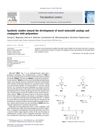
February 2010 in “Tetrahedron Letters”
12 citations
,
February 2010 in “Tetrahedron Letters” New minoxidil compounds with better water solubility were made, but their full effects and safety need more research.
January 2006 in “Trace Elements Science” Zinc deficiency increases stomach cancer risk and causes health issues in rats.
10 citations
,
November 2009 in “Pigment cell & melanoma research” The document concludes that MGRN1 affects mouse fur color by interfering with a receptor's signaling, but its full role in the body is still unknown.
4 citations
,
January 2012 in “Human health handbooks” Normal iron levels are crucial for healthy skin, hair, and nails.
Highly concentrated water-soluble minerals improve health, cosmetics, and agriculture.
 July 2025 in “New Phytologist”
 MLO proteins help regulate calcium and ROS levels, promoting root hair growth in Arabidopsis.
November 2020 in “IntechOpen eBooks” Not getting enough minerals can lead to health problems and shorter lifespans.
4 citations
,
January 2016 in “Annals of dermatology/Annals of Dermatology” Iron supplements can restore normal hair color in cases of premature graying linked to iron deficiency.
1 citations
,
January 2007 in “中国科学通报:英文版” Women's hair has more sulfur, and black hair has more calcium than white hair.

Some bacteria use arsenic compounds as antibiotics, and others have evolved resistance; a particular arsenic-based compound shows potential as a new antimalarial treatment.