 2 citations
,
July 2022 in “Asian Journal of Microbiology, Biotechnology & Environmental Sciences”
2 citations
,
July 2022 in “Asian Journal of Microbiology, Biotechnology & Environmental Sciences” Zinc is essential for plant growth and human health.
 2 citations
,
September 2016 in “Springer eBooks”
2 citations
,
September 2016 in “Springer eBooks” Humans can accurately guess age from faces, with women being slightly better at it, and age perception is linked to evolutionary factors.
2 citations
,
October 1985 in “Pediatrics in review” Scalp diseases change with age and can be hard to tell apart from hair disorders.
2 citations
,
June 1953 in “Journal of the American Medical Association” Leprosy is mainly contracted during infancy or childhood.
1 citations
,
February 2025 in “Journal of the American Academy of Dermatology” Most men prefer keeping their eyebrows over scalp hair.
Four transcription factors can convert mouse cells into hair cell-like cells, aiding hearing loss research and treatment.
 May 2026 in “Zenodo (CERN European Organization for Nuclear Research)”
 3D bioprinting improves skin and hair regeneration and aids in emergency wound care.
 May 2026 in “Zenodo (CERN European Organization for Nuclear Research)”
 3D bioprinting improves skin and hair regeneration and aids in emergency wound care.
 February 2026 in “Bioengineering”
 EV-based therapies are advancing but need to overcome challenges for full potential.
 September 2021 in “CRC Press eBooks”
 Alopecia areata incognita causes sudden hair thinning, responds well to steroids, and is more common in those with genetic hair loss conditions.
 391 citations
,
January 2010 in “Journal of The American Academy of Dermatology”
391 citations
,
January 2010 in “Journal of The American Academy of Dermatology” Half of people with Alopecia Areata may see hair regrowth within a year without treatment, but recovery is unpredictable.
 1 citations
,
February 2020 in “International Journal of Research in Dermatology”
1 citations
,
February 2020 in “International Journal of Research in Dermatology” Scalp alopecia areata mostly affects young adult males, often starts suddenly, and usually presents as single, patchy lesions.
 July 2023 in “Deleted Journal”
 Alopecia areata is the most common type of baldness treated with corticosteroids and minoxidil.
January 2025 in “Pharmaceutical journal/The pharmaceutical journal” Alopecia areata causes patchy hair loss due to the immune system attacking hair follicles.
162 citations
,
October 2014 in “Autoimmunity reviews” Alopecia areata is caused by the immune system attacking hair follicles.
 May 2023 in “Clinical and Experimental Dermatology”
 Alopecia areata has a high chance of persisting and relapsing, with a significant risk of total hair loss, especially if it starts in childhood.
December 2025 in “Zenodo (CERN European Organization for Nuclear Research)” Alopecia areata causes sudden, patchy hair loss due to immune system attacks on hair follicles.
 11 citations
,
March 2020 in “Immunology”
11 citations
,
March 2020 in “Immunology” Human prenatal skin develops an immune network early on that helps with skin formation and healing without scarring.
 January 2023 in “Przegla̧d dermatologiczny”
 There are two main types of alopecia areata with different severity, and diagnosis is made through clinical examination and trichoscopy, influencing treatment choices.
161 citations
,
March 1992 in “International Journal of Dermatology” Alopecia areata often starts before age 20, is more common in women, and may have a genetic link with other autoimmune diseases.
December 2025 in “Zenodo (CERN European Organization for Nuclear Research)” Alopecia areata causes sudden, patchy hair loss due to immune system attacks on hair follicles.
December 2025 in “Zenodo (CERN European Organization for Nuclear Research)” Alopecia areata causes sudden, patchy hair loss due to immune system attacks on hair follicles.
38 citations
,
July 2009 in “Current opinion in pediatrics, with evaluated MEDLINE/Current opinion in pediatrics” Alopecia areata is a common autoimmune disease affecting hair follicles, with unclear causes and a need for better treatments.
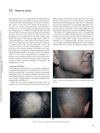 April 2012 in “Informa Healthcare eBooks”
 Alopecia areata is a common autoimmune condition causing varying hair loss, diagnosed by specific patterns of inflammation around hair follicles, with several treatment options available.
January 2024 in “Elsevier eBooks”  16 citations
,
January 2015 in “Current problems in dermatology”
16 citations
,
January 2015 in “Current problems in dermatology” Alopecia Areata is an autoimmune hair loss condition that needs more research for better treatments.
December 2025 in “Zenodo (CERN European Organization for Nuclear Research)” Alopecia areata causes sudden, patchy hair loss due to an immune attack on hair follicles.
 1 citations
,
January 1997 in “Archives of Dermatology”
1 citations
,
January 1997 in “Archives of Dermatology” Hair loss from alopecia areata can sometimes regrow in a pattern similar to androgenetic alopecia.
May 2020 in “Lithuanian University of Health Sciences” Alopecia areata is an autoimmune disease causing hair loss, with treatments often ineffective but new options are being researched.
November 2025 in “Zenodo (CERN European Organization for Nuclear Research)” Alopecia areata causes sudden, patchy hair loss due to an immune attack on hair follicles.