 January 2016 in “Springer eBooks”
 Alopecia Areata is an unpredictable autoimmune hair loss condition with limited and variable treatment effectiveness.
Alopecia areata causes hair loss and needs personalized care to manage its emotional and social effects.
1 citations
,
November 2022 in “Journal of pharmaceutical negative results” Alopecia areata is an autoimmune condition causing patchy hair loss, with treatments focusing on immune system regulation and hair regrowth.
 January 1953 in “The Lancet”
 Alopecia areata's causes are unclear, treatments exist but relapses are common.
 December 2016 in “Springer eBooks”
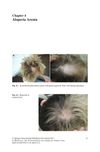
 A 45-year-old woman with autoimmune diseases experienced patchy hair loss due to alopecia areata, which has no cure but can be treated, with varying success.
178 citations
,
June 1994 in “Journal of Investigative Dermatology” Alopecia areata in these mice is inherited, more common in young females, and can be treated with triamcinolone acetonide.
The paper concludes that the patchiness of alopecia areata is likely due to when the immune attack happens in the hair growth cycle.
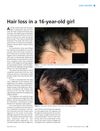 November 2014 in “Prescriber”
 The 16-year-old girl with hair loss was successfully treated for alopecia areata, leading to significant hair regrowth.
5 citations
,
June 2002 in “Clinical and Experimental Dermatology” Alopecia areata management involves explaining the condition, using treatments like steroids and immunotherapy, and providing support like counseling and wigs.
 February 2025 in “Dermatology and Therapy”
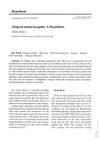
 Alopecia areata incognita causes sudden hair loss but usually improves with topical steroids.
 60 citations
,
October 2009 in “Dermatology”
60 citations
,
October 2009 in “Dermatology” Alopecia areata may appear differently depending on the individual's type of hair loss and scalp condition.
 1 citations
,
March 2020 in “Australasian Journal of Dermatology”
1 citations
,
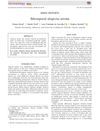
March 2020 in “Australasian Journal of Dermatology” The paper concludes that recognizing bitemporal alopecia areata is important for early treatment and preventing its progression.
November 2025 in “Zenodo (CERN European Organization for Nuclear Research)” Alopecia areata causes sudden, patchy hair loss due to immune system attacks on hair follicles.

The patient with total hair loss did not regrow hair despite treatment, indicating a poor outlook for this type of hair loss.
10 citations
,
September 2014 in “Australasian Journal of Dermatology” Understanding alopecia areata's patterns can improve future research and treatments.
1 citations
,
March 2025 in “Pediatric Dermatology” Alopecia areata causes round patches of hair loss, especially in children.
 January 2007 in “Elsevier eBooks”
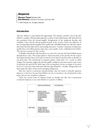
 Alopecia areata is a reversible, autoimmune-related hair loss that can have significant emotional impact and uncertain treatment effectiveness.
Alopecia areata causes patchy hair loss but hair can regrow on its own.
 185 citations
,
August 2005 in “Autoimmunity Reviews”
185 citations
,
August 2005 in “Autoimmunity Reviews” Alopecia areata is an autoimmune condition causing hair loss due to the immune system attacking hair follicles, often influenced by genetics and stress.
 December 2019 in “Pediatria i Medycyna Rodzinna”
 Alopecia areata is a hair loss condition that may be linked to stress and genetics, often requires psychological support, and has no set treatment.
2 citations
,
January 2018 Diffuse alopecia areata causes widespread hair thinning due to an autoimmune response.
 2 citations
,
October 2025 in “Discover Immunity.”
2 citations
,
October 2025 in “Discover Immunity.” Alopecia Areata is an autoimmune disease causing hair loss, with no cure yet, but research may lead to new treatments.
 13 citations
,
December 2001 in “Dermatologic therapy”
13 citations
,
December 2001 in “Dermatologic therapy” Alopecia areata causes varying hair loss patterns, affecting hair, nails, and possibly glands, with treatment outcomes depending on disease duration and extent.
2 citations
,
January 1996 in “Annals of saudi medicine/Annals of Saudi medicine” Alopecia areata is unpredictable, with limited treatment effectiveness, especially in severe cases.
 February 2023 in “Medical Clinical Update”
 Some people with alopecia areata, a hair loss condition, get better within a year without treatment, but it can happen again.
 February 2023 in “Journal of vaccines and immunology”
 Alopecia areata causes sudden hair loss, often on the scalp, and can be severe, especially with early onset or related health issues.
21 citations
,
April 2025 in “MedComm” Alopecia areata causes unpredictable hair loss, and more research is needed to fully understand and treat it effectively.
1 citations
,
April 2024 in “Russian Journal of Clinical Dermatology and Venereology” Atopic diseases worsen alopecia areata, leading to earlier onset and more severe forms.
1 citations
,
March 2000 in “PubMed” A 16-year-old boy's alopecia areata progressed unusually to resemble male pattern baldness.