41 citations
,
April 2019 in “PLOS genetics” CD34+ and CD34- melanocyte stem cells have different regenerative abilities.
33 citations
,
May 2018 in “Stem Cell Reports” Krt15+ cells in the mouse intestine resist radiation and can start tumors.
23 citations
,
June 1992 in “PubMed” RAR-gamma 1 is important for normal skin maintenance and differentiation.
21 citations
,
March 2015 in “Neurological Sciences” A new genetic mutation linked to CARASIL syndrome and small artery disease was found in a Chinese family.
March 2005 in “Journal of the American Academy of Dermatology” Recognizing minor skin lesions can help identify serious cancer syndromes.
April 2026 in “Journal of Cutaneous Pathology” Alopecia can be caused by multicentric reticulohistiocytosis.
 January 2006 in “Advances in developmental biology”
 The Hairless gene is crucial for healthy skin and hair growth.
210 citations
,
February 2008 in “Nature genetics” Mutations in the P2RY5 gene cause autosomal recessive woolly hair.
 43 citations
,
November 2018 in “Nature Communications”
43 citations
,
November 2018 in “Nature Communications” Genetic variations affecting skin structure play a key role in severe acne.
 72 citations
,
November 2012 in “PloS one”
72 citations
,
November 2012 in “PloS one” The protein folliculin, involved in a rare disease, works with another protein to control how cells stick together and their organization, and changes in this interaction can lead to disease symptoms.
January 2026 in “American Journal of Medical Genetics Part A” A new genetic variant causes trichothiodystrophy in two brothers, but their mother may carry it without showing symptoms.
 April 2019 in “Journal of Investigative Dermatology”
 BRG1 is essential for skin cells to move and heal wounds properly.
 29 citations
,
July 2014 in “PloS one”
29 citations
,
July 2014 in “PloS one” Meis1 is crucial for skin health and tumor development.
1 citations
,
July 2006 in “Journal of Investigative Dermatology” A 4kb fragment of the desmocollin 3 promoter targets gene expression to specific skin and hair follicle areas.
 November 2022 in “Gigascience”
 A specific genetic deletion in goats affects cashmere yield and thickness.
 4 citations
,
July 2021 in “bioRxiv (Cold Spring Harbor Laboratory)”
4 citations
,
July 2021 in “bioRxiv (Cold Spring Harbor Laboratory)” BLMP-1 is important for regular molting and gene expression cycles in worms.
324 citations
,
May 2002 in “Oncogene”  11 citations
,
March 2013 in “Gene”
11 citations
,
March 2013 in “Gene” A certain genetic variation in the IL1A gene may lower the risk of a hair loss condition in Chinese people.
11 citations
,
January 2022 in “Experimental Dermatology” Severe CCCA may be biologically and clinically different from milder forms.
 51 citations
,
January 2007 in “Animal Genetics”
51 citations
,
January 2007 in “Animal Genetics” The gene for slick hair in Senepol cattle is located on chromosome 20 and may involve the SRD5A2 gene.
October 2014 in “Cancer research” Blocking mTORC1 reduces skin tumor growth in mice.
 23 citations
,
December 2013 in “British Journal of Dermatology”
23 citations
,
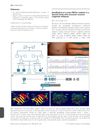
December 2013 in “British Journal of Dermatology” A new gene mutation linked to a skin condition was found in a Spanish family.
1 citations
,
August 2022 in “Pigment Cell & Melanoma Research” New mouse models help study melanocytic cells for melanoma research.
5 citations
,
July 2014 in “Molecular Biology Reports”  July 2024 in “British journal of dermatology/British journal of dermatology, Supplement”
 A variant in the KRT31 gene causes a rare hereditary hair disorder called monilethrix.
lncRNA MRPS28 regulates hair follicle development in cashmere goats, affecting cashmere quality.
 9 citations
,
July 2022 in “EMBO molecular medicine”
9 citations
,
July 2022 in “EMBO molecular medicine” Blocking certain immune signals can reduce skin damage from radiation therapy.
2 citations
,
August 2016 in “Journal of Investigative Dermatology” 4 citations
,
January 2009 in “PubMed” A mutation in the KRT86 gene causes hair fragility in a Turkish family.
 January 2025 in “Dermatology Practical & Conceptual”
 A new genetic model may improve treatment and diagnosis for certain inherited skin diseases.