 September 2015 in “The European physical journal. E, Soft matter and biological physics/The European physical journal. E, Soft matter”
 Longer time setting curls overnight leads to better curl retention.
 41 citations
,
July 2020 in “Colloids and surfaces. B, Biointerfaces”
41 citations
,
July 2020 in “Colloids and surfaces. B, Biointerfaces” Different hair protein amounts change the strength of keratin/chitosan gels, useful for making predictable tissue engineering materials.
269 citations
,
October 2017 in “International Journal of Molecular Sciences” Improving mesenchymal stromal cell therapies requires overcoming cell death and optimizing delivery methods.
30 citations
,
March 2008 in “Wound Repair and Regeneration” Estrogen affects scalp cell types differently, enhancing some wound healing processes.
 13 citations
,
January 2016 in “Burns & Trauma”
13 citations
,
January 2016 in “Burns & Trauma” Vacuum massage may improve skin elasticity and induce changes in skin cells, but evidence for treating burn scars is insufficient and more research is needed.
 December 2025 in “Cosmetics”
 The bio-based complex effectively repairs and protects chemically damaged hair.
 1 citations
,
April 2021 in “Journal of Investigative Dermatology”
1 citations
,
April 2021 in “Journal of Investigative Dermatology” Activating TRPA1 reduces scarring and promotes tissue regeneration.
Sphingosine 1-phosphate helps control mechanical pain.
Obstructive Sleep Apnea does not significantly impact outcomes in non-cystic fibrosis bronchiectasis hospital stays.
 11 citations
,
May 2009 in “Medical Hypotheses”
11 citations
,
May 2009 in “Medical Hypotheses” Male pattern baldness is an unintended side effect of the body's use of androgens for muscle growth, especially in those genetically prone to it.
2 citations
,
December 2025 in “Gels” Nano-zinc oxide affects genes linked to cell death, inflammation, and stress in skin cells.
2 citations
,
November 2023 in “Biomolecules” WNT signaling is crucial for skin development and healing.
1 citations
,
January 2018 Sphingosine 1-phosphate and its receptor S1PR3 are key in controlling mechanical pain.
May 2026 in “Applied Spectroscopy” Humidity affects hair structure changes during stretching.

Combining Nanofat with PRP is a safe and effective treatment for female pattern hair loss.
 4 citations
,
October 2020 in “Research Square (Research Square)”
4 citations
,
October 2020 in “Research Square (Research Square)” Hydroxychloroquine, nitazoxanide, and ivermectin were similarly effective in treating early COVID-19.
 2 citations
,
March 2023 in “European Polymer Journal”
2 citations
,
March 2023 in “European Polymer Journal” The new nanofiber improves wound healing by releasing growth factors, reducing inflammation, and helping skin regeneration.
June 2026 in “Materials Today Communications” The hydrogel speeds up wound healing with electrical stimulation.
34 citations
,
January 2011 in “Annals of dermatology/Annals of Dermatology” Using a hair dryer at 15 cm with continuous motion causes less damage than natural drying.
12 citations
,
October 2018 in “Biotechnology reports” Recombinant keratin K31 makes damaged hair thicker, stronger, and straighter.
12 citations
,
October 2007 in “PubMed” Keratin helps protect and strengthen hair, reducing damage and color fading.
6 citations
,
November 2017 in “Journal of the Peripheral Nervous System” Mercury exposure damages small nerve fibers in rats' skin.
 June 2017 in “University of the Arts London Research Online (University of the Arts London)”
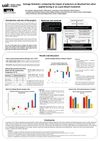
 Polymers help reduce damage and improve bleached hair when used during or after bleaching.
January 2001 in “China Surfactant Detergent & Cosmetics” Both conditioners help protect hair from perm damage, but their effectiveness varies.
 7 citations
,
January 2018 in “Materials Today: Proceedings”
7 citations
,
January 2018 in “Materials Today: Proceedings” Adding human hair fibers and glass micro-spheres to epoxy improves its wear resistance and strength.
 19 citations
,
January 2009 in “International review of cell and molecular biology”
19 citations
,
January 2009 in “International review of cell and molecular biology” Hair's strength and flexibility come from its protein structure and molecular interactions.
 April 2017 in “Journal of Investigative Dermatology”
 Applying pseudoceramide improved skin and hair health.
 January 2010 in “Springer eBooks”
 Hirsutism can lower a woman's quality of life, causing emotional distress and affecting social and work opportunities.
 July 2025 in “Journal of Cosmetic Dermatology”
 The model shows how heat damages hair, helping test hair care products.
 8 citations
,
January 2023 in “Biosensors”
8 citations
,
January 2023 in “Biosensors” Piezoelectric Nanogenerators are promising for non-invasive health monitoring but need efficiency and durability improvements.