1 citations
,
May 2024 in “Pediatric Blood & Cancer” Trametinib can effectively treat severe kaposiform lymphangiomatosis when other treatments fail.
1 citations
,
April 2024 in “Journal of Drug Delivery Science and Technology” Microneedles combined with conventional therapies show promise in treating alopecia areata.
 1 citations
,
January 2024 in “Curēus”
1 citations
,
January 2024 in “Curēus” Clinicians should use social and prescription data to track trends in performance-enhancing drug use.
 1 citations
,
July 2023 in “Cureus”
1 citations
,
July 2023 in “Cureus” Some treatments for hereditary hair loss are effective but vary in results and side effects; new therapies show promise but need more research.
 1 citations
,
May 2023 in “Prospects in Pharmaceutical Sciences”
1 citations
,
May 2023 in “Prospects in Pharmaceutical Sciences” New cytokine-targeted therapies show promise for treating alopecia areata.
 1 citations
,
April 2019 in “The journal of investigative dermatology/Journal of investigative dermatology”
1 citations
,
April 2019 in “The journal of investigative dermatology/Journal of investigative dermatology” Melanocyte-associated antigens may play a key role in alopecia areata and could be targets for new treatments.
 1 citations
,
November 2017 in “Dermatologic clinics”
1 citations
,
November 2017 in “Dermatologic clinics” Combination therapies can improve hair loss treatment results and boost self-confidence in men.
1 citations
,
October 2017 JAK inhibitors are effective for hair regrowth in severe alopecia areata.
 1 citations
,
May 2016 in “The Nurse Practitioner”
1 citations
,
May 2016 in “The Nurse Practitioner” Treating PCOS is complex, involving medication like metformin and lifestyle changes, and requires attention to mental health due to high depression and anxiety rates.
 1 citations
,
May 2014 in “Hair transplant forum international”
1 citations
,
May 2014 in “Hair transplant forum international” Rogaine can stop hair loss in women, and other treatments like certain pills, light therapy, and special shampoos may also work.
 June 2026 in “Scientific Reports”
 Nestin-expressing hair follicle cells may be useful for nerve repair and regeneration.
 May 2026 in “Dove Medical Press (Taylor and Francis Group)”
 Buffy coat PRP is more effective for hair growth in androgenetic alopecia than apheresis PRP.
 April 2026 in “Research Square”
 E13 fetal mouse fibroblast vesicles may help reduce scarring.
 April 2026 in “Biomedicines”
 A holistic approach combining lifestyle changes, stress management, exercise, and herbal medicine can effectively treat and prevent keloids.
 March 2026 in “Medeniyet Medical Journal”
 EH-MSCs may help treat hair loss by boosting regeneration and reducing inflammation.
 February 2026 in “International Journal of Web of Multidisciplinary Studies”
 Restoring microbial balance and using exosome therapies may help treat hair disorders like alopecia and acne.
January 2026 in “Pharmaceutics” New drug delivery systems show promise in effectively treating pathological scars.
 December 2025 in “Frontiers in Immunology”
 Restoring nerve-macrophage communication may help treat autoimmune diseases.
 July 2025 in “International Journal of Pharmaceutical Research and Development”
 Exosomes can improve skin treatments with fewer side effects.
 June 2025 in “Journal of medical and dental science research.”
 i-PRF and A-PRF show promise in promoting hair regrowth and improving scalp health in androgenetic alopecia.
 May 2025 in “Journal of the American Academy of Dermatology”
 Oral and topical anti-androgens can help treat female hair loss, but have side effects.
April 2025 in “Biomedical Journal of Scientific & Technical Research” Medical education should use creative and reflective methods to enhance empathy and critical thinking.
 February 2025 in “Lasers in Medical Science”
 Laser therapy shows promise for hair loss but lacks strong evidence due to limited studies.
 January 2025 in “Scripta Medica”
 Natural hydrolates may improve burn healing and fight antibiotic resistance.
 October 2024 in “Journal of Education Health and Sport”
 Alopecia areata treatment should be personalized, using topical or systemic therapies based on severity, with promising options like JAK inhibitors needing more research.
 October 2024 in “A I Burnasyan Federal Medical Biophysical Center Clinical Bulletin”
 Various treatments effectively manage androgenetic alopecia.
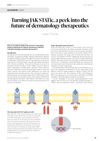 August 2024 in “New Zealand Medical Student Journal”
 JAK inhibitors show promise for treating skin diseases effectively and safely.
 June 2024 in “Bőrgyógyászati és Venerológiai Szemle”
 New treatments for hair loss, like JAK inhibitors, PRP, anti-androgens, and minoxidil, offer better options.
 April 2024 in “Military Medical Research/Military medical research”
 Cellular and immunotherapies show promise for healing chronic wounds but need more research.
 April 2024 in “Academic dermatology”
 Dermatologists should carefully manage hair loss in cancer patients to improve their quality of life.