March 2008 in “The FASEB Journal” Neurosteroid withdrawal increases α4 subunit expression in the hippocampus, which may relate to catamenial epilepsy in women.
8 citations
,
April 1991 in “European journal of endocrinology” 3α-AdiolG is a good marker for androgen activity in women with excessive hair growth and decreases with anti-androgen treatment.
 February 1999 in “Analytical Sciences”
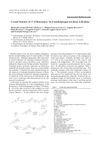
 A new antiandrogen compound was made and its detailed three-dimensional shape was described.
 11 citations
,
October 1994 in “The Journal of Clinical Endocrinology and Metabolism”
11 citations
,
October 1994 in “The Journal of Clinical Endocrinology and Metabolism” Finasteride increases hair growth, prolongs hair cycle, and lowers dihydrotestosterone levels.
66 citations
,
October 1987 in “The Journal of clinical endocrinology and metabolism/Journal of clinical endocrinology & metabolism” Measuring androstanediol glucuronide in blood is useful for assessing and tracking treatment in women with excessive hair growth.
46 citations
,
January 2000 in “The Journal of Clinical Endocrinology and Metabolism” May 2008 in “Trends in Urology Gynaecology & Sexual Health” Loop diuretics may double bone loss in elderly men, finasteride lowers prostate cancer risk but may increase high-grade tumors, abarelix reduces testosterone quickly, and transdermal testosterone offers minimal sexual benefit for women.
 November 2022 in “Journal of the Endocrine Society”
 Removing the ovarian tumor improved the woman's hormonal symptoms.
 30 citations
,
December 1999 in “Journal of Investigative Dermatology Symposium Proceedings”
30 citations
,
December 1999 in “Journal of Investigative Dermatology Symposium Proceedings” Steroids, particularly estrogens and 5α-reductase inhibitors, affect blood vessel-related hair growth processes in hair follicle cells.
18 citations
,
August 2008 in “Journal of Investigative Dermatology” 17-β estradiol and prednisolone may speed up hair regrowth after chemotherapy.
 47 citations
,
November 2002 in “Journal of Neurochemistry”
47 citations
,
November 2002 in “Journal of Neurochemistry” Progesterone boosts alcohol's effect on brain, finasteride counters it.
18 citations
,
September 1979 in “DMW - Deutsche Medizinische Wochenschrift” Diane is effective for treating acne, seborrhoea, androgenic alopecia, and mild hirsutism in women.
 January 2013 in “Revista Clínica Española”
 A postmenopausal woman's increased male hormone levels were successfully treated with surgery.
 September 2018 in “Reactions Weekly”
 Two women had skin reactions from a hair loss treatment and got better after stopping use.
May 2025 in “Journal of the ASEAN Federation of Endocrine Societies” Thorough evaluation is crucial for postmenopausal women with virilization to detect rare ovarian tumors.
 June 2003 in “Obstetrical & Gynecological Survey”
 Postmenopausal ovary stromal cells have a unique makeup and limited steroid production, suggesting androgens come from the adrenal gland.
December 2025 in “Current Issues in Molecular Biology” New steroid compounds may help with hormonal therapy and have potential benefits for glucose disorders, but more research is needed.
18 citations
,
March 2010 in “Gynecologic and obstetric investigation” The oral contraceptive alone is the preferred treatment for hirsutism, as adding the GnRH analog showed no significant benefit.
 2 citations
,
February 2003 in “Annals of Neurology”
2 citations
,
February 2003 in “Annals of Neurology” Neuroimaging suggests that treatments targeting brain steroids could help control epilepsy, especially types linked to the menstrual cycle.
 104 citations
,
January 2005 in “Climacteric”
104 citations
,
January 2005 in “Climacteric” Drospirenone is a unique progestin with anti-water retention and potential blood pressure benefits, used in birth control and hormone therapy.
 3 citations
,
January 2022 in “Precision medicine and clinical omics”
3 citations
,
January 2022 in “Precision medicine and clinical omics” Beta-sitosterol and stigmasterol might help prevent hair loss by blocking a specific enzyme.
 113 citations
,
April 1999 in “The Journal of Clinical Endocrinology and Metabolism”
113 citations
,
April 1999 in “The Journal of Clinical Endocrinology and Metabolism” Cyproterone acetate-estrogen most effective for hirsutism, but consider side effects and patient needs.
12 citations
,
April 1987 in “PubMed” Low-dose spironolactone is safe and effective for treating hirsutism.
 88 citations
,
June 2016 in “Human Reproduction Update”
88 citations
,
June 2016 in “Human Reproduction Update” New hormonal contraceptives are safer, have fewer side effects, and offer health benefits for women.
 29 citations
,
May 2010 in “Annals of Pharmacotherapy”
29 citations
,
May 2010 in “Annals of Pharmacotherapy” Finasteride may help some women with hair loss, but better options exist.
 10 citations
,
April 2006 in “Seminars in Reproductive Medicine”
10 citations
,
April 2006 in “Seminars in Reproductive Medicine” Testosterone therapy may improve mood, well-being, and sexual function in premenopausal women, but more research is needed on its long-term safety and effectiveness.
 August 2009 in “International Journal of Dermatology”
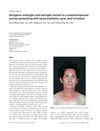
 A postmenopausal woman's facial redness, acne, and excess hair were caused by too much hormone therapy for insomnia, but improved after stopping the treatment.
2 citations
,
July 1998 in “Journal of Investigative Dermatology” The authors confirmed that β-estradiol inhibits hair growth in mice when used at the correct concentration.
October 2016 in “Journal of Case Reports” A rare ovarian tumor can occur without causing male-like symptoms.
December 1990 in “PubMed” Topical 17 alpha-propylmesterolone increases hair cell growth in androgenetic alopecia.