 1 citations
,
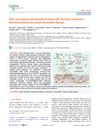
October 2025 in “Nano Research”
1 citations
,
October 2025 in “Nano Research” A new microneedle patch effectively treats atopic dermatitis by reducing skin stress and restoring immune balance.
 23 citations
,
March 1989 in “The Veterinary clinics of North America. Food animal practice”
23 citations
,
March 1989 in “The Veterinary clinics of North America. Food animal practice” Llamas often have skin issues like mange, bacterial infections, and allergies, with some treatable by zinc.
December 2024 in “Institutional Repositories DataBase (IRDB)” Shoulder guard hair best shows sika deer's diet.
1 citations
,
July 2025 in “Frontiers in Pharmacology” FMH foods may help manage post-acute COVID-19 symptoms safely and easily.
 September 2016 in “Journal of Dermatological Science”
 Golden oyster mushroom extract may protect skin cells from aging by its antioxidant properties.
30 citations
,
October 2010 in “Biochemical and biophysical research communications” The Gsdma3 gene is essential for normal hair development in mice.
18 citations
,
January 2019 in “European journal of histochemistry” Cattle skin has leptin which might control skin and hair growth.
 1 citations
,
January 2014 in “Sen'i Gakkaishi”
1 citations
,
January 2014 in “Sen'i Gakkaishi” The new method reliably identifies and measures different animal hair fibers in textiles.
1 citations
,
January 2019 in “British Poultry Science” VEGF and VEGFR-2 genes influence feather maturity, and specific genetic markers can improve chicken breeding.
149 citations
,
March 1981 in “American Journal of Ophthalmology” Eyelid mites may contribute to eye problems.
The FOS gene helps hair growth in Tan sheep.
1 citations
,
April 2023 in “International journal of molecular sciences” Certain skin proteins can form anchoring structures without the protein AMACO.
 10 citations
,
September 1997 in “Molecular carcinogenesis”
10 citations
,
September 1997 in “Molecular carcinogenesis” Mirex seems to promote a unique group of skin cells different from those affected by another tumor promoter, TPA.
 May 2026 in “The EMBO Journal”
 Feather follicles form through specific cellular flows and mechanical changes in the skin.
 20 citations
,
August 2014 in “PloS one”
20 citations
,
August 2014 in “PloS one” MED1 affects skin wound healing differently in young and old mice.
Melatonin improves tomato root growth and plant health at certain levels by affecting genes and hormones but can damage roots at high levels.
 2 citations
,
September 2022 in “Composites Part B: Engineering”
2 citations
,
September 2022 in “Composites Part B: Engineering” Pacific oyster peptides may help wounds heal without scars.
 1 citations
,
January 2010 in “Journal of Oriental Medicine”
1 citations
,
January 2010 in “Journal of Oriental Medicine” Black bean, wheat, and rice bran extracts can boost hair growth and improve hair quality.
 29 citations
,
January 2010 in “Journal of oleo science”
29 citations
,
January 2010 in “Journal of oleo science” MEL-A from soybean oil can boost fibroblast and papilla cells, potentially aiding hair growth.
 1 citations
,
January 2013 in “International Journal of Medicinal and Aromatic Plants”
1 citations
,
January 2013 in “International Journal of Medicinal and Aromatic Plants” Flaxseed ingestion and oil application help rabbit hair grow.
15 citations
,
June 2020 in “Processes” CMX from Centipeda minima can significantly improve hair growth in mild to moderate balding.
February 2004 in “Frontiers in Ecology and the Environment” Eating too much fish can lead to mercury poisoning.
9 citations
,
July 2021 in “Journal of Medicinal Food” Lactobacillus paracasei HY7015 helps hair grow in mice.
 6 citations
,
October 2011 in “International Journal of Pharmaceutical Sciences and Drug Research”
6 citations
,
October 2011 in “International Journal of Pharmaceutical Sciences and Drug Research” Jojoba roots have unique properties that were previously unexplored.
 10 citations
,
December 2024 in “EXPERIMENTAL ANIMALS”
10 citations
,
December 2024 in “EXPERIMENTAL ANIMALS” B6J mice live longer before 24 months, but B6N mice live longer after; both strains show weight gain, increased food and water intake, and health issues as they age.
 December 2025 in “Frontiers in Veterinary Science”
 Liaoning cashmere goats grow more cashmere by boosting fat production, supporting hair structure, and controlling inflammation.
 9 citations
,
July 2020 in “Journal of Animal Physiology and Animal Nutrition”
9 citations
,
July 2020 in “Journal of Animal Physiology and Animal Nutrition” Melatonin given to pregnant rabbits improved their babies' fur quality.
 November 2021 in “World Family Medicine Journal /Middle East Journal of Family Medicine”
 The document's conclusion cannot be provided because the document is not readable or understandable.
January 1981 in “Elsevier eBooks” 75 citations
,
January 1980 in “Journal of Investigative Dermatology”