April 2019 in “Institutional Repositories DataBase (IRDB)” Patient-derived stem cell melanocytes could be a promising treatment for vitiligo.
Multiphoton microscopy helps understand and improve vitiligo treatments by visualizing skin cell changes.
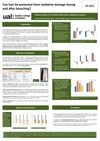 September 2018 in “University of the Arts London Research Online (University of the Arts London)”
 L-arginine, hydrolysed keratin, and cystine-silanol copolymer can help protect hair from damage during and after bleaching.
The extract combination can promote hair growth and act as a natural hair dye.
 April 2018 in “The journal of investigative dermatology/Journal of investigative dermatology”
 Electrical epilation damages hair follicles and surrounding skin, likely preventing hair regrowth.
 April 2018 in “Journal of Investigative Dermatology”
 Fat under the skin can help hair grow longer, darker, and increase cell growth.
 January 2018 in “Springer eBooks”
 Lasers are FDA-approved for permanent hair reduction, not removal, and more research is needed to improve treatments.
 January 2018 in “Springer eBooks”
 Different races and genders have unique skin and hair issues, requiring specialized care and more research for effective treatment.
October 2015 in “Cosmetic Dermatology” Hair is complex, varies in type, and plays a big role in attractiveness and culture.
Retinoids or their analogs could treat skin pigmentation disorders like melasma and vitiligo.
January 2015 in “Zhongguo haiyang yaowu” Collagen from puffer skin may help whiten skin and slow aging without harm.
Retinoids can help treat skin pigmentation disorders by affecting melanin production.
January 2014 in “한국미용학회지” UV-A radiation significantly damages semi-permanent dyed hair.
January 2013 in “วารสารเภสัชศาสตร์อีสาน (Isan Journal of Pharmaceutical Sciences, IJPS)” Safflower extract increases melanin production in certain skin cells without harming them.
January 2013 in “Liaoning Zhongyiyao Daxue xuebao” Fresh ginger promotes hair growth in mice.
September 2012 in “British Small Animal Veterinary Association eBooks” The document concludes that pigmentation disorders in animals involve complex interactions between melanocytes and keratinocytes.
April 2012 in “J. Willard Marriott Library” Cannabinoids like THC and THCA get into hair through skin oils, not hair color.
Ethnic differences in skin and hair affect penetration minimally, but cultural habits matter in product development.
November 2011 in “Journal of Investigative Dermatology” TRH in hair follicles can influence hair color by increasing melanin.
Prunus Tomentosa extract is effective in promoting hair growth, similar to minoxidil.
January 2010 in “Chinese Journal of Aesthetic Medicine” Melasma skin has more melanin and signs of aging, with strong CK10 expression linked to cell differentiation and aging.
January 2010 in “Pharmacy Today” Collagen reduces skin melanin, boosts antioxidants, and improves skin moisture.
March 2009 in “Chinese Journal of Dermatology” Melanocytes in the outer root sheath are likely stem cells that grow fast but stay immature.
 January 2009 in “Actas dermo-sifiliográficas/Actas dermo-sifiliográficas”
 Lasers and light treatments are now the most common ways to remove hair.
March 2007 in “International Journal of Cosmetic Science” Hair with more melanin resists weather damage better.
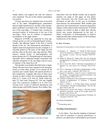 January 1999 in “Journal of the European Academy of Dermatology and Venereology”
 RAPK is a rare skin disorder with pigmented spots, mainly on hands and feet, starting in youth.
 January 1990 in “Springer eBooks”
 Some chemicals can permanently or temporarily remove color from skin and hair, which can be distressing and is not well-regulated in cosmetics.
 July 2026 in “Journal of Nanobiotechnology”
 The hydrogel helps treat hair loss by reducing harmful molecules and improving blood flow to hair follicles.
 April 2026 in “Science & Justice”
 Hair analysis can confirm drug use but can't accurately measure how much was taken.
April 2026 in “The FASEB Journal” Exosomal miR-199a-3p from dermal papilla cells helps control hair color by affecting melanocytes.