 13 citations
,
March 2020 in “Frontiers in cell and developmental biology”
13 citations
,
March 2020 in “Frontiers in cell and developmental biology” A substance called TCQA could potentially darken hair by activating certain genes and increasing melanin.
 13 citations
,
October 2010 in “Pharmacogenomics”
13 citations
,
October 2010 in “Pharmacogenomics” Researchers found that most genes affecting drug responses are not fully covered by commercial SNP chips, suggesting the need for more comprehensive tools to optimize drug selection based on genetics.
 13 citations
,
January 2009 in “The Open Dermatology Journal”
13 citations
,
January 2009 in “The Open Dermatology Journal” Oral pigmentation can be a sign of Addison's disease.
 12 citations
,
July 2014 in “Journal of Investigative Dermatology”
12 citations
,
July 2014 in “Journal of Investigative Dermatology” Chemotherapy causes complex changes in hair follicle cells that can lead to hair loss.
 12 citations
,
September 2017 in “Molecular and Cellular Endocrinology”
12 citations
,
September 2017 in “Molecular and Cellular Endocrinology” Testosterone significantly affects sexual desire in both men and women, but its impact on women is more complex and influenced by psychological factors.
 11 citations
,
July 2012 in “Current Opinion in Pediatrics”
11 citations
,
July 2012 in “Current Opinion in Pediatrics” Skin problems can be signs of hormone-related disorders and recognizing them early is important for treatment.
 10 citations
,
January 2010 in “Acta dermato-venereologica”
10 citations
,
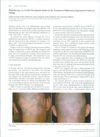
January 2010 in “Acta dermato-venereologica” Light therapy can effectively treat vitiligo and hair loss caused by a specific medication.
 9 citations
,
January 2019 in “Postepy Dermatologii I Alergologii”
9 citations
,
January 2019 in “Postepy Dermatologii I Alergologii” The skin acts like an endocrine organ, making hormones that affect skin diseases and respond to stress.
 9 citations
,
January 2018 in “BioMed Research International”
9 citations
,
January 2018 in “BioMed Research International” Tetrahydroxystilbene Glucoside may help prevent hair loss by blocking certain pathways that lead to cell death.
 9 citations
,
May 2013 in “JAMA Dermatology”
9 citations
,
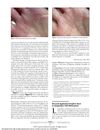
May 2013 in “JAMA Dermatology” Sunlight exposure improved a patient's skin condition, and there may be a link between a certain disease and skin growths; a leukemia treatment caused changes in hair color and growth.
 8 citations
,
December 2017 in “Skin appendage disorders”
8 citations
,
December 2017 in “Skin appendage disorders” WNT7A gene expression is higher in early stages of androgenetic alopecia, showing the role of WNT pathway, apoptosis, and inflammation in the disorder.
 7 citations
,
February 2019 in “International Journal of Dermatology”
7 citations
,
February 2019 in “International Journal of Dermatology” Gray hair is caused by reduced melanin production or transfer issues, linked to aging and possibly health conditions, with treatments focusing on color camouflage.
 6 citations
,
February 2022 in “The journal of neuroscience/The Journal of neuroscience”
6 citations
,
February 2022 in “The journal of neuroscience/The Journal of neuroscience” Deleting the PTEN gene in mice causes nerve cells to grow larger and heal better after injury, but may cause overgrowth and hair loss in older mice.
 6 citations
,
October 2018 in “Bioelectromagnetics”
6 citations
,
October 2018 in “Bioelectromagnetics” Rice bran extract and low-frequency electromagnetic fields together may help treat vitiligo and white hair.
 5 citations
,
May 2023 in “European Journal of Human Genetics”
5 citations
,
May 2023 in “European Journal of Human Genetics” NIPT can help detect potential maternal cancer, and GIPXplore can identify immune diseases in pregnancies.
 5 citations
,
May 2017 in “Journal of the European Academy of Dermatology and Venereology”
5 citations
,
May 2017 in “Journal of the European Academy of Dermatology and Venereology” The study found no significant difference in stress hormone levels between people with alopecia areata and healthy individuals, suggesting that the disease is not caused by an overactive stress response system.
 5 citations
,
September 2016 in “Security science and technology”
5 citations
,
September 2016 in “Security science and technology” DNA can predict physical traits like eye and hair color accurately, especially in Europeans, but predicting other traits and in diverse populations needs more research.
 5 citations
,
February 2013 in “Expert Review of Dermatology”
5 citations
,
February 2013 in “Expert Review of Dermatology” New acne treatments include combination creams, advanced retinoids, and light therapies, focusing on safety and patient adherence.
 4 citations
,
October 2025 in “International Journal of Medical Sciences”
4 citations
,
October 2025 in “International Journal of Medical Sciences” Tripeptides help heal wounds and regenerate skin by speeding up tissue repair and reducing inflammation.
 4 citations
,
February 2025 in “BMC Genomics”
4 citations
,
February 2025 in “BMC Genomics” Black wool in Qira sheep is linked to specific gene mutations, especially in the TYRP1 gene.
 4 citations
,
March 2018 in “PloS one”
4 citations
,
March 2018 in “PloS one” Men with less sun-sensitive skin have lower PSA levels, while men with more sun-sensitive skin have higher PSA levels.
 4 citations
,
November 2017 in “Scientific Reports”
4 citations
,
November 2017 in “Scientific Reports” The research provides a gene-based framework for hair biology, highlighting the Hippo pathway's importance and suggesting links between hair disorders, cancer pathways, and the immune system.
 4 citations
,
February 2017 in “Journal of Cutaneous Medicine and Surgery”
4 citations
,
February 2017 in “Journal of Cutaneous Medicine and Surgery” Compounds from certain trees used by First Nations people show potential for treating skin conditions and promoting hair growth, but more research is needed to confirm their safety and effectiveness.
 4 citations
,
March 2009 in “British Journal of Dermatology”
4 citations
,
March 2009 in “British Journal of Dermatology” The conference highlighted new dermatological treatments and emphasized early intervention and addressing conditions lacking evidence-based treatments.
 3 citations
,
February 2025 in “Journal of PHYSIOLOGICAL ANTHROPOLOGY”
3 citations
,
February 2025 in “Journal of PHYSIOLOGICAL ANTHROPOLOGY” Certain genes are linked to skin aging, like wrinkles and pigmentation changes.
 3 citations
,
November 2023 in “Frontiers in cell and developmental biology”
3 citations
,
November 2023 in “Frontiers in cell and developmental biology” Melanocytes are important for skin and hair color and protect the skin from UV damage.
 3 citations
,
December 2022 in “bioRxiv (Cold Spring Harbor Laboratory)”
3 citations
,
December 2022 in “bioRxiv (Cold Spring Harbor Laboratory)” The research reveals how early embryonic mouse skin develops from simple to complex structures, identifying various cell types and their roles in this process.
 3 citations
,
April 2022 in “Farmacia”
3 citations
,
April 2022 in “Farmacia” Certain foods and supplements can help treat skin diseases alongside medication.
 3 citations
,
January 2019 in “Advances in stem cells and their niches”
3 citations
,
January 2019 in “Advances in stem cells and their niches” Dermal papilla cells are key for hair growth and color, influencing hair type and size, and their interaction with stem cells could help treat hair loss and color disorders.

New treatments for vitiligo may focus on protecting melanocyte stem cells from stress and targeting specific pathways involved in the condition.