 1 citations
,
September 2023 in “The journal of investigative dermatology/Journal of investigative dermatology”
1 citations
,
September 2023 in “The journal of investigative dermatology/Journal of investigative dermatology” Removing Dicer from pigment cells in newborn mice causes early hair graying and changes in cell migration molecules.
 1 citations
,
February 2017 in “International journal of anatomy and research”
1 citations
,
February 2017 in “International journal of anatomy and research” Understanding fetal skin development helps diagnose congenital skin diseases.
 1 citations
,
January 2013 in “Journal of Investigative Dermatology”
1 citations
,
January 2013 in “Journal of Investigative Dermatology” The document concludes that stem cells and their environments are crucial for skin and hair health and have potential for medical treatments.
 1 citations
,
October 2012 in “Elsevier eBooks”
1 citations
,
October 2012 in “Elsevier eBooks” Skin stem cells can help improve skin repair and regeneration.
 June 2026 in “Dermatology and Therapy”
 Combining multiple ingredients is the most effective treatment for hyperpigmentation.
Moles may stop growing because of cell cooperation, not just because of aging cells.
Moles may stop growing due to cell cooperation, not just because of individual cell aging.
 January 2019 in “Journal of Entomology and Zoology Studies”
 Ruminant goats have larger and more defined hair follicles than younger goats.
 January 2015 in “Springer eBooks”
 Hair health is influenced by genetics, aging, and environmental factors, with proper care needed to maintain it.
 September 2014 in “Springer eBooks”
 Aging causes hair to gray and thin, with the timing of graying varying by race, and factors like oxidative stress and genetics can lead to hair loss.
 March 2014 in “Institutional Repositories DataBase (IRDB)”
 Skin-derived stem cells could help treat skin aging and pigmentation issues.
 1 citations
,
December 2024 in “Revista Eletrônica Acervo Saúde”
1 citations
,
December 2024 in “Revista Eletrônica Acervo Saúde” Black skin has unique features and conditions, needing tailored dermatological care.
 1 citations
,
January 2008 in “Springer eBooks”
1 citations
,
January 2008 in “Springer eBooks” Hair follicle stem cells can turn into many cell types and may help repair nerve damage and have other medical uses.
 May 2002 in “British Journal of Dermatology”
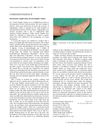
 A pregnant woman's skin condition improved after giving birth, possibly due to high estrogen levels during pregnancy.
 September 1998 in “JEADV. Journal of the European Academy of Dermatology and Venereology/Journal of the European Academy of Dermatology and Venereology”
 The document concludes that individualized treatments for hair issues are effective, certain hair changes can indicate neurocutaneous diseases, specific lotions improve skin health, laser hair removal works but needs more study on long-term effects, men's cosmetics are diverse, peeling is effective but can have side effects, and facial pigmentation is often due to overactive skin cells.
 28 citations
,
July 2007 in “Development”
28 citations
,
July 2007 in “Development” TAF4 is important for skin cell growth and helps prevent skin cancer in mice.
 19 citations
,
November 2018 in “Nutrients”
19 citations
,
November 2018 in “Nutrients” Annurca apple extract may protect mouse hair from damage by chemotherapy and could help treat hair loss without promoting cancer growth.
 6 citations
,
January 2007 in “Actas dermo-sifiliográficas/Actas dermo-sifiliográficas”
6 citations
,
January 2007 in “Actas dermo-sifiliográficas/Actas dermo-sifiliográficas” Gray hair regained color after thyroid hormone treatment.
 January 2022 in “bioRxiv (Cold Spring Harbor Laboratory)”
 Skin lesions in Carney complex are likely caused by a specific group of skin cells that promote pigment production due to a genetic mutation.
 28 citations
,
November 2018 in “Journal of structural biology”
28 citations
,
November 2018 in “Journal of structural biology” Different populations have distinct hair structures related to their ancestry.
 1 citations
,
May 2023 in “Indian Journal of Dermatology Venereology and Leprology”
1 citations
,
May 2023 in “Indian Journal of Dermatology Venereology and Leprology” Alopecia areata may lead to hearing loss.
 May 2021 in “GSC Advanced Research and Reviews”
 Hair color is influenced by genetics and can indicate certain health conditions.
 50 citations
,
December 2011 in “Skin Research and Technology”
50 citations
,
December 2011 in “Skin Research and Technology” The algorithm effectively removes hair from skin images, improving melanoma diagnosis accuracy.
March 2026 in “Pigment Cell & Melanoma Research” Clear documentation and shared best practices are essential for improving research consistency in pigment cells.
 2 citations
,
January 2020 in “BioMed Research International”
2 citations
,
January 2020 in “BioMed Research International” Phaeodactylum tricornutum extract helps hair follicle cells grow by activating the ERK1/2 pathway.
51 citations
,
May 1984 in “Journal of the American Academy of Dermatology” Benign follicular mucinosis involves immune cells attacking hair follicles.
 8 citations
,
June 2016 in “Journal of Cutaneous Pathology”
8 citations
,
June 2016 in “Journal of Cutaneous Pathology” Two women were diagnosed with a rare melanoma that looked like hair loss but was actually a type of skin cancer.
1 citations
,
January 2020 in “Microscopy research” Researchers successfully grew hair follicle stem cells from mice and humans, which could be useful for tissue engineering and regenerative medicine.
3 citations
,
October 2023 in “Journal of Investigative Dermatology” Aged skin cells can help hair growth by stimulating stem cells.
January 2025 in “Indian Dermatology Online Journal” Early diagnosis and aggressive treatment are essential for managing Vogt-Koyanagi-Harada syndrome effectively.