 2 citations
,
January 2017 in “Journal of Pigmentary Disorders”
2 citations
,
January 2017 in “Journal of Pigmentary Disorders” Genetics, stress, and health issues can cause early hair greying, which affects self-esteem, and there's no cure, only hair dye.
 10 citations
,
May 2012 in “PloS one”
10 citations
,
May 2012 in “PloS one” Low ERCC3 gene activity is linked to non-pigmented hair growth.
2 citations
,
September 2009 in “Pigment Cell & Melanoma Research” Melanocytes in different body areas have evolved to perform specific functions based on their location.
1 citations
,
November 2024 in “Life” Desmodesmus pannonicus water extract may help reduce skin pigmentation, heal wounds, and promote hair growth.
December 2021 in “OPAL (Open@LaTrobe) (La Trobe University)” New therapies like JAK inhibitors and stem cells show promise in treating vitiligo.
 23 citations
,
April 2002 in “Journal of the American Academy of Dermatology”
23 citations
,
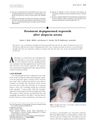
April 2002 in “Journal of the American Academy of Dermatology” Depigmented hair regrowth after alopecia areata can be permanent.
16 citations
,
May 2006 in “PubMed” Alpha-melanocyte-stimulating hormone helps manage skin inflammation and protect against UV damage.
 May 2020 in “JOJ Dermatology & Cosmetics”
 A rare skin condition usually on the face was found on a man's heel.
1 citations
,
November 2003 in “Annals of saudi medicine/Annals of Saudi medicine” A 17-year-old in Saudi Arabia was diagnosed with a rare skin condition causing red-brown facial patches.
September 2019 in “Journal of Investigative Dermatology” PCE-DP brightens skin and promotes hair growth by enhancing cell growth and reducing melanin uptake.
7 citations
,
May 1978 in “Acta Dermato Venereologica” A 36-year-old man had unusual skin lesions on his face without hair loss.
69 citations
,
January 1995 in “PubMed” Mouse melanocyte structure and function are influenced by genetics, hormones, and environmental factors.
1 citations
,
April 2025 in “Clinical Cosmetic and Investigational Dermatology” A rare skin lesion in a 64-year-old woman was successfully treated with a laser, showing minimal redness and no return after one month.
September 2022 in “Frontiers in Medicine” New treatments and drugs show promise for improving skin pigmentation and regeneration.

PmtHEE is a better model for studying pigmented skin because it includes melanocytes and shows improved cell differentiation.
A black Doberman with hair loss improved partially with omega-3/omega-6 treatment.
4 citations
,
July 2021 in “Skin Appendage Disorders” Sudden hair whitening may be linked to immune system activity.
January 1999 in “Praxis sociológica” Melanocyte stem cells can become melanoma, resembling human melanoma.
January 2022 in “Indian dermatology online journal” Pigmented papules on the ear can be a rare skin condition called cutaneous amyloidosis, treatable with topical tretinoin.
5 citations
,
December 1978 in “PubMed” Malabsorption can cause skin issues like pigmentation changes and hair loss, which improve with treatment.
January 2004 in “Linchuang pifuke zazhi” All-trans retinoic acid helps amelanotic melanocytes in hair follicles develop and produce pigment while reducing their growth.
161 citations
,
June 1994 in “The journal of investigative dermatology/Journal of investigative dermatology” Hair stops producing melanin as it transitions from the growth phase to the resting phase.
 May 2024 in “Pigment International”
 Several treatments are effective for pigmentary disorders like vitiligo and melasma.
1 citations
,
July 2018 in “JAMA dermatology” Poliosis causes white hair patches due to lack of melanin.
 46 citations
,
April 2014 in “PLOS ONE”
46 citations
,
April 2014 in “PLOS ONE” Gray hair may be caused by lower antioxidant activity in hair cells.
 17 citations
,
April 2002 in “Contact Dermatitis”
17 citations
,
April 2002 in “Contact Dermatitis” Minoxidil 5% caused skin discoloration in a man using it for hair loss.
64 citations
,
June 2009 in “Photomedicine and Laser Surgery” Excimer light effectively treats various skin diseases, including psoriasis, vitiligo, and mycosis fungoides.
 9 citations
,
July 2010 in “British Journal of Dermatology”
9 citations
,
July 2010 in “British Journal of Dermatology” The document suggests a rare skin condition might be caused by a genetic phenomenon.
 January 2012 in “Journal of Investigative Dermatology”
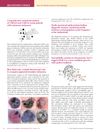
 Some Greek melanoma patients have gene mutations linked to increased cancer risk, a new color feature helps diagnose melanoma, the incidence of a skin condition in the Netherlands is rare, and a gene possibly affects male-pattern baldness.
August 2024 in “Animal Bioscience” Exosomal miR-222-3p reduces melanin production in rabbits by targeting the SOX10 gene.