 September 2025 in “Journal of King Saud University - Science”
 Lophocereus marginatus extracts may help treat melanoma and stimulate hair growth.
6 citations
,
October 2006 Understanding repigmentation mechanisms in vitiligo can improve treatments and patient outcomes.
 June 2008 in “British Journal of Dermatology”
 UK medical students lack dermatology education, liver biopsy patients with risk factors show more fibrosis, and certain fungi resist drugs due to melanin; genetics may influence female hair loss.
 July 2022 in “The journal of investigative dermatology/Journal of investigative dermatology”
 Blocking mTORC1 activity with rapamycin could help increase hair pigmentation and growth, potentially reversing gray hair.
85 citations
,
January 1991 in “Journal of Investigative Dermatology” July 2025 in “Journal of Investigative Dermatology” 56 citations
,
October 2010 in “Pediatric Clinics of North America” Epidermal nevi are skin cell clusters linked to various syndromes.
 21 citations
,
March 2015 in “Journal of The American Academy of Dermatology”
21 citations
,
March 2015 in “Journal of The American Academy of Dermatology” Vemurafenib therapy can cause hair loss, but clobetasol propionate foam can help regrow hair.
 May 2022 in “Research Square (Research Square)”
 Nestin marks cells that can become a specific type of skin cell in hair follicles of both developing and adult mice.
 49 citations
,
August 2004 in “The FASEB Journal”
49 citations
,
August 2004 in “The FASEB Journal” Mice with human skin protein K8 had more skin problems and cancer.
September 2018 in “CRC Press eBooks” Hair and nail disorders can cause changes in scalp pigmentation, especially with sun exposure and alopecia.
17 citations
,
December 2013 in “Dermatologic Surgery” The treatment improved hair color in most vitiligo patients without major side effects.
36 citations
,
June 2016 in “Journal of dermatological treatment” The combination therapy significantly improved Riehl’s melanosis in patients without serious side effects.
10 citations
,
August 1998 in “Journal of Investigative Dermatology” 14 citations
,
January 2018 in “Skin Appendage Disorders” Upper eyelid hyperpigmentation can help diagnose facial lichen planus pigmentosus in patients with frontal fibrosing alopecia.
 August 2025 in “Annals of Medicine”
 Mycophenolate mofetil may safely help restore skin color in depigmentation conditions.
 6 citations
,
September 2009 in “European journal of histochemistry”
6 citations
,
September 2009 in “European journal of histochemistry” CD90 is present on specific cells in dog hair follicles.
28 citations
,
December 2005 in “Oncogene” 2 citations
,
March 1997 in “Veterinary Dermatology” The Doberman had multiple skin tumors, but it's unclear if color dilution increased the risk.
333 citations
,
March 2000 in “Proceedings of the National Academy of Sciences” Overexpressing GLI-1 in mice skin can cause tumors like human basal cell carcinomas.
 8 citations
,
October 2018 in “Journal of the European Academy of Dermatology and Venereology”
8 citations
,
October 2018 in “Journal of the European Academy of Dermatology and Venereology” Mohs micrographic surgery is effective for early-stage non-melanoma skin cancers on the lips, with basal cell carcinoma more common on the upper cutaneous lip and squamous cell carcinoma more common on the lower vermilion lip.
 5 citations
,
October 2021 in “Dermatologic Surgery”
5 citations
,
October 2021 in “Dermatologic Surgery” Platelet-rich plasma (PRP) can significantly improve melasma, a skin pigmentation disorder, but may not add benefits when used with certain other treatments.
9 citations
,
December 1991 in “Annals of the New York Academy of Sciences”  September 2016 in “JAMA Dermatology”
 Melanoma patients can learn to check their skin, early balding in men may indicate similar risks as PCOS in women, certain criteria can help predict skin cancer behavior, small skin cancer may not need extra therapy after surgery, and sterile gloves don't reduce infection in minor surgeries.
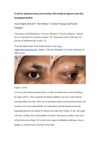 1 citations
,
March 2024 in “Ophthalmic Plastic and Reconstructive Surgery”
1 citations
,
March 2024 in “Ophthalmic Plastic and Reconstructive Surgery” A pilomatrixoma in the eyebrow can cause hair loss and skin lightening.
18 citations
,
January 2013 in “Veterinary Dermatology” K15 is a reliable marker for studying stem cells in dog hair follicle tumors.
 1 citations
,
July 2009 in “Journal of dermatology”
1 citations
,
July 2009 in “Journal of dermatology” A 29-year-old man had a jaw plaque diagnosed as follicular mucinosis, linked to nestin-positive hair follicle stem cells.
380 citations
,
March 2000 in “Proceedings of the National Academy of Sciences” Overexpressing GLI-1 in mice skin can cause tumors like human basal cell carcinomas.
 56 citations
,
February 2012 in “Cell Cycle”
56 citations
,
February 2012 in “Cell Cycle” MicroRNAs are crucial for controlling skin development and healing by regulating genes.
 77 citations
,
December 2010 in “The journal of investigative dermatology/Journal of investigative dermatology”
77 citations
,
December 2010 in “The journal of investigative dermatology/Journal of investigative dermatology” Human skin cells produce proenkephalin, which changes with environmental factors and skin diseases.