 May 2004 in “International Journal of Cosmetic Science”
 Melanogenesis inhibitors like kojic acid and niacinamide can reduce inflammation and pigment production in skin cells.
2 citations
,
August 2008 in “Oncotarget” Apoptosis in hair follicles spreads through cell death signals, with stem cells slowing the process.
 1 citations
,
October 2017 in “ecancermedicalscience”
1 citations
,
October 2017 in “ecancermedicalscience” Breast cancer alters specific molecular structures in hair, which revert after cancer removal.
December 2018 in “European Journal of Pediatric Dermatology/PD. European journal of pediatric dermatology” Segmental vitiligo affects hair follicle melanocytes, causing small, uniform depigmented spots.
4 citations
,
May 2023 in “Pigment Cell & Melanoma Research” BMI1 is essential for preventing hair greying and maintaining hair color.
 July 2014 in “Plastic and Reconstructive Surgery”
 Sentinel lymph node biopsy is recommended for all types of desmoplastic melanoma due to higher rates of nodal metastasis.
 July 2014 in “Plastic and Reconstructive Surgery”
 Sentinel lymph node biopsy is recommended for all types of desmoplastic melanoma due to higher rates of nodal metastasis.
12 citations
,
August 1988 in “Histopathology” The tumor likely shows dual neural crest differentiation.
 June 2026 in “Dermatology and Therapy”
 Combining multiple ingredients is the most effective treatment for hyperpigmentation.
 4 citations
,
March 2013 in “The American Journal of Cosmetic Surgery”
4 citations
,
March 2013 in “The American Journal of Cosmetic Surgery” Melanin absorbing light is necessary but not enough for effective hair removal by light treatment.
1 citations
,
January 2012 in “Pigment Cell & Melanoma Research” Stem cell niches are crucial for maintaining stem cells, with Paneth cells and TGF-beta playing key roles.
![[4-t-Butylphenyl]-N-(4-imidazol-1-yl phenyl)sulfonamide (ISCK03) Inhibits SCF/c-kit Signaling in 501mel Human Melanoma Cells and Abolishes Melanin Production in Mice and Brownish Guinea Pigs](/images/assets/4eb017dc-711d-4926-bcd0-c3b8f48e3a99/small/19974.jpg) 26 citations
,
July 2007 in “Biochemical Pharmacology”
26 citations
,
July 2007 in “Biochemical Pharmacology” ISCK03 stops melanin production in human melanoma cells and lightens skin color in mice and guinea pigs.
 8 citations
,
January 2018 in “European journal of dermatology/EJD. European journal of dermatology”
8 citations
,
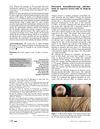
January 2018 in “European journal of dermatology/EJD. European journal of dermatology” The girl's regrown brown hair had less of certain pigments than her original black hair.

A new microneedle treatment shows promise for repigmenting skin in vitiligo.
 45 citations
,
April 2016 in “Journal of Dermatological Science”
45 citations
,
April 2016 in “Journal of Dermatological Science” The Wnt/β-catenin pathway can activate melanocyte stem cells and may help regenerate hair follicles.
 11 citations
,
February 2018 in “Archives of Pharmacal Research”
11 citations
,
February 2018 in “Archives of Pharmacal Research” Finasteride reduces melanin production, possibly treating hyperpigmentation and melanoma, but needs more safety research.
1 citations
,
January 2012 in “Human health handbooks” Hair color is determined by melanin types and gene activity.
 58 citations
,
February 2016 in “Scientific reports”
58 citations
,
February 2016 in “Scientific reports” Blocking BACE1 and BACE2 enzymes causes hair color loss in mice.
 6 citations
,
November 2017 in “Journal of the European Academy of Dermatology and Venereology”
6 citations
,
November 2017 in “Journal of the European Academy of Dermatology and Venereology” A woman got melanoma on her scalp after anti-hair loss treatment with injections.
1 citations
,
January 2005 in “Experimental Dermatology” MC-1R in skin cells may influence inflammation and collagen production.
31 citations
,
November 2015 in “PloS one” Reducing Tyrosinase prevents mature color pigment cells from forming in mouse hair.
 4 citations
,
July 2019 in “Clinics in Dermatology”
4 citations
,
July 2019 in “Clinics in Dermatology” The document concludes that while white skin, nail, and mucosa diseases increase skin cancer risk, they are generally harmless, especially compared to darker pigmentation conditions.
 84 citations
,
July 2003 in “European journal of biochemistry”
84 citations
,
July 2003 in “European journal of biochemistry” Mouse skin can produce and process serotonin, with variations depending on hair cycle, body location, and mouse strain.
November 2025 in “Journal of Investigative Dermatology” Dark skin has stronger barriers and structure due to specific gene activity.
January 2006 in “Linchuang pifuke zazhi” Stem cell factor and certain proteins help melanocytes from hair follicles move and attach better, aiding vitiligo repigmentation.
 April 2023 in “Journal of Investigative Dermatology”
 MPZL3 protein helps control the size of oil glands and the growth of oil-producing cells in both mice and humans.
September 2022 in “Scientific Reports” Scalp melanoma is more common and easier to diagnose early in people with androgenetic alopecia due to sun damage.
 27 citations
,
August 2014 in “Journal of Cosmetic and Laser Therapy”
27 citations
,
August 2014 in “Journal of Cosmetic and Laser Therapy” Different lasers and radiofrequency affect skin differently, important for dermatologists to choose the right treatment.
 1 citations
,
March 2019 in “Chinese Medical Journal”
1 citations
,
March 2019 in “Chinese Medical Journal” Researchers identified potential markers for human hair color stem cells.
November 2024 in “Journal of Investigative Dermatology”