 4 citations
,
June 2013 in “The Journal of Rheumatology”
4 citations
,
June 2013 in “The Journal of Rheumatology” The document concludes that various findings in rheumatology offer insights into disease severity, treatment responses, and potential risks in medication, with some limitations due to unspecified participant numbers.
3 citations
,
March 2019 in “American Journal of Dermatopathology” Recognizing rare tumor combinations is crucial for accurate diagnosis and treatment.
 2 citations
,
December 2019 in “Cureus”
2 citations
,
December 2019 in “Cureus” A patient with a scalp condition and benign skin tumor experienced hair loss and did not improve with treatment, choosing not to have surgery despite a small cancer risk.
 1 citations
,
September 2025 in “Journal of Zhejiang University SCIENCE B”
1 citations
,
September 2025 in “Journal of Zhejiang University SCIENCE B” Photodynamic therapy successfully treated skin cancer in a 53-year-old woman.
1 citations
,
October 2007 in “The Cancer Handbook” Malignant melanoma is the deadliest skin cancer, while BCC is the most common but rarely spreads, and SCC is more aggressive than BCC.
1 citations
,
January 2007 in “Side effects of drugs annual” Dermatological treatments can have significant side effects, including allergic reactions, sexual dysfunction, and increased cancer risk.
Agave tequilana extract in microneedles affects their structure and bioactivity, showing potential for skin treatments.
March 2026 in “Skin Appendage Disorders” Some patients on immune therapy for melanoma may develop scarring hair loss, but cancer treatment remains effective.

Immune therapy for cancer can cause rare hair loss but doesn't stop treatment success.

Immune therapy for cancer can cause hair loss scars in some patients.
September 2024 in “Preprints.org” Hair protects the scalp from skin cancer by aiding immune defense.
September 2024 in “Journal of the American Academy of Dermatology” Most U.S. keratinocyte carcinoma patients are older white males living in urban areas.
 February 2024 in “Journal of the American Academy of Dermatology”
 Vascular patterns in dermoscopy help tell apart malignant and benign skin tumors.
January 2024 in “Revista da Associação Médica Brasileira” Bald men should protect their scalps from the sun to reduce skin cancer risk.
 January 2024 in “Wiadomości Lekarskie”
 Uveal melanoma is hard to treat when it spreads, but a new drug, tebentafusp, helps patients live longer.
 August 2023 in “Journal of Dermatological Treatment”
 Mesotherapy might improve hair growth, but more research is needed to confirm its safety and effectiveness.
 April 2023 in “Journal of Investigative Dermatology”
 People with Alopecia Areata are more likely to have certain health issues like ulcerative colitis and type 1 diabetes, but less likely to have others like hypertension and type 2 diabetes.
 January 2023 in “Han'gug mi'saengmul saengmyeong gong haghoeji/Han-guk misaengmul saengmyeong gonghak hoeji”
 NOC-4 extract promotes black hair and hair growth effectively.
 May 2021 in “IP Indian journal of clinical and experimental dermatology”
 Dermoscopy is useful for diagnosing various skin conditions, and new patterns for diagnosis are emerging.
July 2019 in “Cancer Research” Bone marrow and hair follicle cells help form skin tumors, suggesting new treatment targets.
July 2019 in “Tumor Biology” Bone marrow-derived cells contribute to skin tumors, suggesting new treatment targets for non-melanoma skin cancers.
 May 2019 in “Australasian Journal of Dermatology”
 The document updated knowledge on skin disorders, focusing on unusual moles in older adults, the progression from moles to melanoma, and evolving hair loss treatments.
 July 2018 in “British Journal of Dermatology”
 Mindfulness reduces anxiety and depression in skin disease patients; dermatologists and psychiatrists often lack confidence in treating psychodermatological conditions.
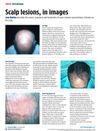 January 2015 in “Independent Nurse”
 Different scalp conditions can lead to hair loss or tumors, with treatments varying from creams to surgery; early detection is crucial.
 January 2014 in “Pathology”
 The document concludes that understanding nail anatomy is key for diagnosing nail diseases, early signs of nail melanoma may allow for less aggressive treatment, and specific genetic mutations are important in thyroid cancer prognosis and treatment.
 January 2013 in “International journal of trichology”
 Vitamin D3 and its receptor are important for hair growth, and understanding receptors could help treat hair graying and skin cancer.
January 2008 in “中山醫學大學醫學研究所學位論文” Danthron from Rhubarb causes melanoma cells to stop growing and die.
 May 1992 in “Reactions Weekly”
 Some patients lost hair after taking interferon alpha 2B, but it improved for some while still on the treatment and for others after stopping it.
January 1990 in “대한피부과학회지” Peanut agglutinin staining helps differentiate malignant melanoma from nevocellular nevus.
COCs can improve acne but may cause skin issues like cholasma; high estrogen is advised for hair loss concerns.