 February 2024 in “Journal of the American Academy of Dermatology”
 Vascular patterns in dermoscopy help tell apart malignant and benign skin tumors.
 January 2024 in “Wiadomości Lekarskie”
 Uveal melanoma is hard to treat when it spreads, but a new drug, tebentafusp, helps patients live longer.
 August 2023 in “Journal of Dermatological Treatment”
 Mesotherapy might improve hair growth, but more research is needed to confirm its safety and effectiveness.
 April 2023 in “Journal of Investigative Dermatology”
 People with Alopecia Areata are more likely to have certain health issues like ulcerative colitis and type 1 diabetes, but less likely to have others like hypertension and type 2 diabetes.
 May 2021 in “IP Indian journal of clinical and experimental dermatology”
 Dermoscopy is useful for diagnosing various skin conditions, and new patterns for diagnosis are emerging.
July 2019 in “Cancer Research” Bone marrow and hair follicle cells help form skin tumors, suggesting new treatment targets.
July 2019 in “Tumor Biology” Bone marrow-derived cells contribute to skin tumors, suggesting new treatment targets for non-melanoma skin cancers.
 July 2018 in “British Journal of Dermatology”
 Mindfulness reduces anxiety and depression in skin disease patients; dermatologists and psychiatrists often lack confidence in treating psychodermatological conditions.
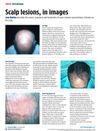 January 2015 in “Independent Nurse”
 Different scalp conditions can lead to hair loss or tumors, with treatments varying from creams to surgery; early detection is crucial.
 January 2014 in “Pathology”
 The document concludes that understanding nail anatomy is key for diagnosing nail diseases, early signs of nail melanoma may allow for less aggressive treatment, and specific genetic mutations are important in thyroid cancer prognosis and treatment.
 January 2013 in “International journal of trichology”
 Vitamin D3 and its receptor are important for hair growth, and understanding receptors could help treat hair graying and skin cancer.
January 2008 in “中山醫學大學醫學研究所學位論文” Danthron from Rhubarb causes melanoma cells to stop growing and die.
 May 1992 in “Reactions Weekly”
 Some patients lost hair after taking interferon alpha 2B, but it improved for some while still on the treatment and for others after stopping it.
COCs can improve acne but may cause skin issues like cholasma; high estrogen is advised for hair loss concerns.
 45 citations
,
October 2009 in “Dermatology”
45 citations
,
October 2009 in “Dermatology” Half of the patients treated with a specific drug for skin cancer experienced hair loss not related to the drug's dosage.
 36 citations
,
March 2014 in “Biomaterials”
36 citations
,
March 2014 in “Biomaterials” A new skin-whitening agent using a peptide from wheat is safe and effective at reducing skin pigmentation.
 15 citations
,
March 2015 in “Experimental Dermatology”
15 citations
,
March 2015 in “Experimental Dermatology” Clotrimazole, an antifungal cream, may safely reduce skin pigmentation by breaking down the enzyme needed for making melanin.
9 citations
,
October 2015 in “Cutaneous and ocular toxicology” Vemurafenib can cause scalp issues but can be managed without changing the dose.
1 citations
,
January 2025 in “Regenerative Biomaterials” Exosomes from Pinctada martensii mucus can safely reduce melanin production, offering a new treatment for skin pigment issues.
 March 2024 in “International journal of pharmaceutical and bio-medical science (Print)”
 Angelica Sinensis and Chinese Arborvitae have various medicinal benefits, including anti-inflammatory and anti-cancer effects.
Heated radish extract may help lighten skin and reduce aging signs.
 September 2016 in “JAMA Dermatology”
 Melanoma patients can learn to check their skin, early balding in men may indicate similar risks as PCOS in women, certain criteria can help predict skin cancer behavior, small skin cancer may not need extra therapy after surgery, and sterile gloves don't reduce infection in minor surgeries.
 May 2015 in “Journal of Investigative Dermatology”
 Melanoma risk tools need improvement, a gene mutation causes a hair disorder that might be treated by managing cell stress, a potential therapy for a skin-ear disorder involves blocking cell channels, skin wrinkling may indicate lung aging regardless of smoking, and oxidative stress might contribute to common baldness.
 April 2015 in “Experimental Dermatology”
 Melanoma risk tools need improvement, certain gene mutations cause skin diseases and could be treated by targeting those mutations, skin wrinkling may relate to lung aging due to genetic factors, and oxidative stress affects hair loss but can be reduced in low oxygen.
May 2005 in “Cancer Research” Melanoma cells lose their ability to form tumors when placed in a zebrafish embryo environment.
 5 citations
,
September 2002 in “Archives of Dermatology”
5 citations
,
September 2002 in “Archives of Dermatology” Dermatologists diagnose and manage melanoma more effectively than general practitioners.
5 citations
,
May 2018 in “Cancer Cell” Less differentiated melanoma cells are more vulnerable to a type of cell death, which could improve cancer treatments.
 January 2016 in “Journal of Investigative Dermatology”
 Some cells may slow melanoma growth, a protein could affect skin pigmentation, a gene-silencing method might treat hair defects, skin bacteria changes likely result from eczema, and a defensin protein could help treat multiple sclerosis.
 January 2014 in “Pathology”
 Early subungual melanoma might be treated with less aggressive surgery because it invades the skin under the nail more slowly.
 January 2012 in “Journal of Investigative Dermatology”
 Some Greek melanoma patients have gene mutations linked to increased cancer risk, a new color feature helps diagnose melanoma, the incidence of a skin condition in the Netherlands is rare, and a gene possibly affects male-pattern baldness.