Search
for
Sort by
Research
600-630 / 1000+ resultsresearch DecisionDx‐Melanoma and Sentinel Lymph Node Biopsy

research An exclusive review of melatonin effects on mammalian melanocytes and melanoma
Melatonin may inhibit melanoma growth and has potential as a cancer therapy aid, but its effects on human skin pigmentation need more research.
research Perkembangan Aksis Pars Intermedia Hipofise – Melanosit Kulit Monyet Ekor Panjang (Macaca fascicularis).
The PI's development is closely linked to skin and hair pigmentation in macaques.
research Increased PHGDH expression promotes aberrant melanin accumulation
Higher PHGDH levels cause unusual melanin buildup in hair follicles.

research Dermoscopy Research—An Update
Dermoscopy has greatly improved the diagnosis of skin lesions and our understanding of their morphology and biology.
research Dual role of laminin‑511 in regulating melanocyte migration and differentiation
Laminin-511 is essential for proper melanocyte movement and development in mice.
research An introduction to skin disease in melanin rich skin
Melanin-rich skin has unique challenges in diagnosing and treating skin diseases.
research N-(3,5-Dimethylphenyl)-3-Methoxybenzamide (A3B5) Targets TRP-2 and Inhibits Melanogenesis and Melanoma Growth
A3B5 can reduce skin pigmentation and slow melanoma growth.
research Effect of Sun exposure-induced ferroptosis mechanisms on pathology and potential biological processes of primary melanoma by microarray data analysis
Enhancing CD8+ T cell function to induce ferroptosis in tumor cells may help treat skin melanoma.

research Plerixafor Biases CXCR4 Signaling Through β-Arrestin to Promote Melanogenesis via β-Catenin–MITF Activation
Plerixafor may help treat pigmentation disorders by promoting skin repigmentation.
research Endothelin-1 combined with extracellular matrix proteins promotes the adhesion and chemotaxis of amelanotic melanocytes from human hair follicles in vitro
Endothelin-1 helps amelanotic melanocytes stick and move better on certain proteins.

research Regeneration of Mouse Skin Melanocyte Stem Cells In Vivo and In Vitro
The research found ways to activate melanocyte stem cells for potential treatment of skin depigmentation conditions.
research Skin precancer.
Sun exposure and genetics increase skin cancer risk from precancerous lesions.
research Author response: Crosstalk with keratinocytes causes GNAQ oncogene specificity in melanoma
Keratinocytes can reverse the effects of the GNAQ oncogene, inhibiting melanoma cell growth.
research Preservation of melanoblasts of white hair follicles of segmental vitiligo lesions: A preliminary study
White hair follicles in vitiligo have fewer and less functional melanocytes.

research Prevalence and distribution of melanocytic naevi on the scalp: a prospective study
Moles on the scalp are more common in people with more body moles and atypical moles, but not linked to balding.
research LB1672 Senescent melanocytes in nevus skin stimulate hair growth
Senescent melanocytes in nevus skin boost hair growth.
research Sentinel lymph node status is the strongest independent predictor for disease free and overall survival in patients with thick melanoma
The health of the sentinel lymph node is the best indicator of survival for patients with thick skin cancer.

research Clinical, Dermoscopic, and Histological Characteristics of Melanoma Patients According to the Age Groups: A Retrospective Observational Study
Melanoma characteristics vary by age, which could help doctors with diagnosis and prevention.

research Dermoscopy of scalp tumours: a multi‐centre study conducted by the international dermoscopy society
The study concluded that scalp tumors show different patterns based on age, gender, and tumor thickness, and emphasized the importance of early detection and scalp examinations.
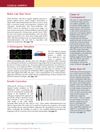
research Clinical Snippets
Some cells may slow melanoma growth, a protein could affect skin pigmentation, a gene-silencing method might treat hair defects, skin bacteria changes likely result from eczema, and a defensin protein could help treat multiple sclerosis.
research The combination of hair follicle-specific marker LHX2 and co-expressed marker can distinguish between sweat gland placodes and hair placodes in rat
LHX2, with other markers, can identify hair placodes in rats.

research Pigmented Epithelioid Melanocytoma (PEM)/Animal Type Melanoma (ATM): Quest for an Origin. Report of One Unusual Case Indicating Follicular Origin and Another Arising in an Intradermal Nevus
The conclusion is that Pigmented Epithelioid Melanocytoma can start from hair follicle stem cells or from a mole on the skin.
research The cell biology of human hair follicle pigmentation
We need more research on human hair follicle pigmentation, not just mouse models.

research Associations between sun sensitive pigmentary genes and serum prostate specific antigen levels
Men with less sun-sensitive skin have lower PSA levels, while men with more sun-sensitive skin have higher PSA levels.

research 642 Uncovering the role of UV exposure history and genetics in determining skin sun damage
UV photography can help identify people at higher risk for skin cancer, and male pattern baldness at age 45 is linked to a higher risk of certain skin cancers.
research The color of human hair
Hair color is determined by melanin types and gene activity.

research 645 MIG6 is MEK-regulated and affects EGF-induced migration in mutant NRAS melanoma
Decreasing MIG6 can increase the movement and invasiveness of MEK-inhibited mutant NRAS melanoma, particularly when stimulated by EGF.
research 457 Impact of alpha-melanocyte-stimulating hormone on mitochondrial function in human dermal fibroblasts
Alpha-MSH affects mitochondrial function, and MC1R mutations may increase skin aging.