September 2019 in “Journal of Investigative Dermatology” PCE-DP brightens skin and promotes hair growth by enhancing cell growth and reducing melanin uptake.
 September 2018 in “Journal of Investigative Dermatology”
 Non-white organ transplant patients have worse skin cancer outcomes due to later diagnosis and treatment.
 June 2026 in “International Journal of Drug Delivery Technology”
 Herbal remedies show promise for managing premature hair greying but need more research.
 January 2013 in “International journal of trichology”
 Vitamin D3 and its receptor are important for hair growth, and understanding receptors could help treat hair graying and skin cancer.
 131 citations
,
March 2004 in “The American journal of pathology”
131 citations
,
March 2004 in “The American journal of pathology” Modulating BMP activity changes the number, size, shape, and type of ectodermal organs.
2 citations
,
January 2010 198 citations
,
October 1986 in “Differentiation” 34 citations
,
October 2011 in “Journal of the American Academy of Dermatology” Sarcoidosis is more common and severe in Black patients than in Caucasians, requiring early diagnosis and treatment.
 January 2023 in “Journal of clinical pharmacy and therapeutics”
 Isoliensinine, a natural compound, prevents stress-related hair greying by blocking a specific receptor on hair cells.
1 citations
,
September 2024 in “Quality in Sport” Hair graying can be delayed or prevented with antioxidants, lifestyle changes, and genetic therapy.
June 2010 in “Chinese Journal of Dermatology” A new gene mutation is linked to monilethrix in the studied family.
Cryotherapy is the best depigmentation method for vitiligo but needs an expert to perform it.
Loss of Dnmt3a and Dnmt3b leads to more aggressive skin tumors, but blocking PPAR-γ can reduce this effect.
1 citations
,
June 2025 in “Journal of Drugs in Dermatology” Better documentation of alopecia areata in Black individuals is needed to improve diagnosis.
64 citations
,
June 2009 in “Photomedicine and Laser Surgery” Excimer light effectively treats various skin diseases, including psoriasis, vitiligo, and mycosis fungoides.
5 citations
,
November 2011 in “Journal of Cutaneous Medicine and Surgery” Hairless dogs can be used to study human hypertrophic scars.
 1 citations
,
January 2016 in “Springer briefs in molecular science”
1 citations
,
January 2016 in “Springer briefs in molecular science” Natural plant-based substances can be used as effective hair dyes.
2 citations
,
January 1973 in “ACTA HISTOCHEMICA ET CYTOCHEMICA” Brown skin in guinea pigs has more ascorbic acid and related enzymes, black skin uses ascorbic acid well, and white skin has the most protein.
 April 2025 in “Turkish Journal of Hematology”
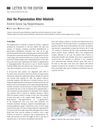
 Nilotinib may cause gray hair to return to its original color.
1 citations
,
June 1999 in “American Journal of Contact Dermatitis” Tazarotene gel is more effective for acne than tretinoin and works as well as adapalene.
 November 2023 in “Journal of the American Academy of Dermatology”
 Skin of color can spontaneously repigment after a phenol-croton oil chemical peel.
 6 citations
,
January 2016 in “Bioorganic & Medicinal Chemistry Letters”
6 citations
,
January 2016 in “Bioorganic & Medicinal Chemistry Letters” Some minoxidil combinations can help differentiate leukemia cells without harming other cells.
5 citations
,
August 2005 in “Anatomy and Embryology” Rat skin has a linear system of nerve fibers linked to hair follicles and muscles.
2 citations
,
June 2009 in “Journal of the American Academy of Dermatology” The treatment didn't work for the woman's hair loss and skin darkening.
8 citations
,
August 2018 in “BMJ Case Reports” Pazopanib treatment caused rapid hair color loss, possibly indicating its effectiveness.
8 citations
,
March 2005 in “JDDG Journal der Deutschen Dermatologischen Gesellschaft” Bimatoprost eye drops can cause temporary eyelid changes and may help with hair growth research.
10 citations
,
September 2016 in “Journal of cutaneous medicine and surgery” Patients on dabrafenib and trametinib for melanoma often experience skin side effects.
 1 citations
,
January 2014 in “Aesthetic Plastic Surgery”
1 citations
,
January 2014 in “Aesthetic Plastic Surgery” Tattooing improves appearance of scalp alopecia and scars.
79 citations
,
March 2005 in “Journal of Medical Genetics” A mutation in the hHb3 gene is linked to the hair disorder monilethrix.
 1 citations
,
April 2023 in “Journal of Animal Science and Biotechnology”
1 citations
,
April 2023 in “Journal of Animal Science and Biotechnology” Melatonin helps grow more secondary hair follicles in young goats, improving cashmere production.