2 citations
,
July 2025 in “Forensic Sciences” Anabolic-androgenic steroids can damage the brain, causing mood and cognitive problems.
 1 citations
,
June 2019 in “Innovare journal of medical sciences”
1 citations
,
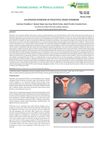
June 2019 in “Innovare journal of medical sciences” Polycystic Ovary Syndrome (PCOS) is a hormonal disorder in women that can cause infertility and other health issues, and it may be improved by treatments that increase insulin sensitivity.
 September 2022 in “Journal of Contemporary medical practice”
 Most women with Polycystic Ovarian Disease have trouble getting pregnant due to hormonal imbalances, but lifestyle changes and certain drugs can help.
 March 2018 in “Indian Journal of Mental Health(IJMH)”
 Coping skills in PCOS patients don't significantly affect mental health, quality of life, or body weight.
 September 2015 in “University of Southern Denmark Research Portal (University of Southern Denmark)”
 The guideline offers recommendations for diagnosing and managing PCOS and its complications.
PCOS requires personalized treatment to improve life quality and reduce health risks.
 January 2020 in “Journal of Clinical Biochemistry and Nutrition”
 Low zinc levels in chronic liver disease patients are linked to more severe symptoms like taste issues and skin problems, and zinc supplements might help.
 19 citations
,
April 2014 in “Hormones”
19 citations
,
April 2014 in “Hormones” Hormones and genetics play key roles in male and female baldness, which can affect mental health and may be linked to other health issues.
 9 citations
,
January 2015 in “Springer eBooks”
9 citations
,
January 2015 in “Springer eBooks” The document concludes that managing PCOS involves treating symptoms, regulating periods, and reducing health risks, with specific medications for fertility and metabolic issues.
 April 2025 in “Journal of Neonatal Surgery”
 PCOS is best managed with a personalized mix of lifestyle changes, medication, and herbal remedies.
 1265 citations
,
October 2013 in “The Journal of Clinical Endocrinology and Metabolism”
1265 citations
,
October 2013 in “The Journal of Clinical Endocrinology and Metabolism” The guideline suggests using specific criteria to diagnose PCOS, recommends various treatments for its symptoms, and advises screening for related health issues.
 207 citations
,
April 2006 in “Journal of The American Academy of Dermatology”
207 citations
,
April 2006 in “Journal of The American Academy of Dermatology” Iron deficiency may be related to hair loss, but there's not enough evidence to recommend iron screening or supplements for all hair loss patients.
 203 citations
,
December 2004 in “Journal of The American Academy of Dermatology”
203 citations
,
December 2004 in “Journal of The American Academy of Dermatology” Early diagnosis and treatment, using finasteride, minoxidil, or hair transplantation, improves hair loss outcomes.
 135 citations
,
August 1994 in “Clinical Endocrinology”
135 citations
,
August 1994 in “Clinical Endocrinology” Most women with hirsutism or androgenic alopecia had polycystic ovaries, especially if they had irregular periods.
 61 citations
,
February 2001 in “American Journal of Obstetrics and Gynecology”
61 citations
,
February 2001 in “American Journal of Obstetrics and Gynecology” Metabolic syndrome and PCOS are related but separate conditions, with metabolic syndrome increasing the risk of heart disease and diabetes.
 30 citations
,
July 2004 in “Fertility and Sterility”
30 citations
,
July 2004 in “Fertility and Sterility” Amenorrhea is when a woman doesn't have periods, with primary amenorrhea starting by age 15 or within five years of breast development, and secondary amenorrhea when periods stop for three months. It affects 3-4% of women not pregnant, breastfeeding, or in menopause, mainly due to polycystic ovary syndrome, hypothalamic amenorrhea, hyperprolactinemia, and ovarian failure.
 17 citations
,
November 2000 in “Journal of the American Pharmaceutical Association”
17 citations
,
November 2000 in “Journal of the American Pharmaceutical Association” The document concludes that low-dose oral contraceptives and hormonal therapies can manage perimenopause symptoms and reduce some health risks, but lifestyle changes and disease screening are also important.
 13 citations
,
January 1995 in “Postgraduate medicine”
13 citations
,
January 1995 in “Postgraduate medicine” Excessive hair growth in women can be harmless or signal serious health issues, and treatment often includes medication and hair removal, with noticeable results after 3-6 months.
 11 citations
,
February 2008 in “British journal of nursing”
11 citations
,
February 2008 in “British journal of nursing” Idiopathic hirsutism causes excessive hair growth in women, can be treated with medication and hair removal, but cannot be fully reversed.
 11 citations
,
July 2003 in “The Nurse practitioner”
11 citations
,
July 2003 in “The Nurse practitioner” New treatments for PCOS focus on managing symptoms and improving fertility.
 10 citations
,
November 2010 in “Journal of Pharmacy Practice”
10 citations
,
November 2010 in “Journal of Pharmacy Practice” The document says PCOS is a common hormonal disorder in women, diagnosed by certain criteria, and managed with lifestyle changes and various medications.
 3 citations
,
January 2007 in “Elsevier eBooks”
3 citations
,
January 2007 in “Elsevier eBooks” The document concludes that individualized treatment and lifestyle changes are important for managing menopause symptoms and health risks.
 2 citations
,
September 2014 in “Journal of evolution of medical and dental sciences”
2 citations
,
September 2014 in “Journal of evolution of medical and dental sciences” Evaluating various physical and health factors helps diagnose polycystic ovarian syndrome (PCOS).
 2 citations
,
October 2008 in “The Journal for Nurse Practitioners”
2 citations
,
October 2008 in “The Journal for Nurse Practitioners” The document concludes that managing PCOS requires a comprehensive approach, including lifestyle changes and medication, to improve symptoms and reduce health risks.
 2 citations
,
August 1987 in “Australasian Journal of Dermatology”
2 citations
,
August 1987 in “Australasian Journal of Dermatology” Birth control pills can cause skin issues but may help with acne and hirsutism, and choosing the right type can minimize side effects.
 2 citations
,
September 2009 in “Nurse Prescribing”
2 citations
,
September 2009 in “Nurse Prescribing” PCOS affects many women, causing various symptoms and health risks, and is managed through lifestyle changes, medication, and support groups.
 1 citations
,
May 2022 in “IntechOpen eBooks”
1 citations
,
May 2022 in “IntechOpen eBooks” Obesity leads to physical, metabolic, reproductive issues, higher healthcare costs, and mental health problems.
 1 citations
,
October 2010 in “Cambridge University Press eBooks”
1 citations
,
October 2010 in “Cambridge University Press eBooks” The document suggests new ways to assess and diagnose hyperandrogenism to improve accuracy.
 1 citations
,
October 2024 in “Pharmacy & Pharmacology International Journal”
1 citations
,
October 2024 in “Pharmacy & Pharmacology International Journal” PCOS is managed with medication, lifestyle changes, and a healthy diet.
 January 2026 in “AYUSHDHARA”
 Ayurvedic treatment improved PCOS symptoms in a 40-year-old woman.