 6 citations
,
January 1985 in “ACTA HISTOCHEMICA ET CYTOCHEMICA”
6 citations
,
January 1985 in “ACTA HISTOCHEMICA ET CYTOCHEMICA” Tumor cells in calcifying epithelioma of Malherbe resemble hair follicle cells.
 17 citations
,
December 2013 in “PLoS ONE”
17 citations
,
December 2013 in “PLoS ONE” The postnatal thymus has cells like mesenchymal stem cells that can become different cell types and help maintain thymus structure.
 17 citations
,
November 2017 in “PLoS ONE”
17 citations
,
November 2017 in “PLoS ONE” Transplanted bone marrow cells actively move, form clusters, and grow after transplantation.
 February 2026 in “Human Cell”
 MSC-CM can boost skin cell growth and movement, aiding skin repair.
 5 citations
,
March 2015 in “Clinical and Experimental Dermatology”
5 citations
,
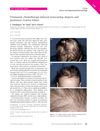
March 2015 in “Clinical and Experimental Dermatology” Chemotherapy caused a woman's permanent hair loss and early menopause.
14 citations
,
February 2022 in “The Journal of clinical investigation/The journal of clinical investigation” Scientists made a mouse model of a serious skin cancer by changing skin cells with a virus and a specific gene, which is similar to the disease in humans.
 160 citations
,
January 2014 in “Seminars in cell & developmental biology”
160 citations
,
January 2014 in “Seminars in cell & developmental biology” Early development of hair, teeth, and glands involves specific signaling pathways and cellular interactions.
 111 citations
,
January 2007 in “Seminars in cell & developmental biology”
111 citations
,
January 2007 in “Seminars in cell & developmental biology” Hair, teeth, and mammary glands develop similarly at first but use different genes later.
 236 citations
,
January 1951 in “Physiological zoology”
236 citations
,
January 1951 in “Physiological zoology” Hair growth and pigmentation in mice involve specific stages crucial for research.
7 citations
,
August 2008 in “Immunogenetics” A gene mutation in mice causes increased mast cells and disorganized hair follicles in their skin.
35 citations
,
November 2021 in “Journal of Animal Science and Biotechnology/Journal of animal science and biotechnology” DNA methylation changes in Tan sheep affect growth and fur traits.
 October 2023 in “Oncotarget”
 Apoptotic cells help cause hair follicle cell death during regression.
July 2025 in “Journal of Investigative Dermatology” March 2025 in “Laboratory Investigation” MESTSV is a rare tumor that is mostly benign but needs long-term monitoring due to potential recurrence.
July 2017 in “Cancer Research” Krt15+ cells in mice can resist radiation, regenerate tissue, and start tumors, suggesting new cancer treatment targets.
14 citations
,
January 1998 in “Dermatology” Polythelia pilosa is a type of extra breast tissue with hair and should be classified as such.
 December 2021 in “Aegean journal of obstetrics and gynecology”
 A woman's male-like physical changes were caused by two rare ovarian conditions.
 109 citations
,
December 2003 in “American Journal of Pathology”
109 citations
,
December 2003 in “American Journal of Pathology” Fetal wound healing changes with development, affecting inflammation and collagen, which may influence scarring.
March 2021 in “Der Hautarzt” Neuroendocrine paraneoplastic syndromes often show skin changes, helping early diagnosis and requiring a team approach for best care.
January 2026 in “Annals of Pathology and Laboratory Medicine” Accurate diagnosis of rare pilomatrix carcinoma is crucial for effective treatment.
 October 2024 in “Journal of the Endocrine Society”
 Early detection of ovarian steroid cell tumors is crucial to prevent lasting symptoms.
89 citations
,
May 2005 in “Stem Cells” Mouse skin has special cells in the epidermis that decrease with age and are linked to keratinocyte stem cells.
Stem cells play a key role in nonmelanoma skin cancers, with different origins and genetic changes linked to basal and squamous cell carcinomas.
 130 citations
,
January 1994 in “Differentiation”
130 citations
,
January 1994 in “Differentiation” Mouse hair follicle cells briefly grow during the early hair growth phase, showing that these cells are important for starting the hair cycle.
November 2020 in “bioRxiv (Cold Spring Harbor Laboratory)” Apoptotic cells may trigger cell death in hair follicles during their regression cycle.
 10 citations
,
September 1997 in “Molecular carcinogenesis”
10 citations
,
September 1997 in “Molecular carcinogenesis” Mirex seems to promote a unique group of skin cells different from those affected by another tumor promoter, TPA.
 66 citations
,
March 2019 in “Cellular and Molecular Life Sciences”
66 citations
,
March 2019 in “Cellular and Molecular Life Sciences” Melanocyte development from neural crest cells is complex and influenced by many factors, and better understanding could help treat skin disorders.
1 citations
,
November 2023 in “Biomedicines” Menopause can cause hair thinning and texture changes due to hormonal and metabolic shifts.
 2 citations
,
July 2016 in “Clinical and Experimental Dermatology”
2 citations
,
July 2016 in “Clinical and Experimental Dermatology” Some types of extracellular matrix can change how human skin cells grow but don't affect their basic functions.

Lack of certain cells causes abnormal nipple development and nursing failure.