42 citations
,
February 1996 in “Journal of Investigative Dermatology” Polyamines, especially spermidine, are essential for hair growth.
36 citations
,
October 1993 in “British Journal of Dermatology” Human hair follicles can grow in a lab for at least 9 days without serum, keeping their natural characteristics.
24 citations
,
April 2016 in “Experimental Dermatology” Chemical treatments like dyeing, perming, and bleaching damage hair by altering amino acids and lipids.
15 citations
,
January 1981 in “Neonatology” Amino acid levels in milk increase with protein and align with key growth stages in Macropus eugenii.
 6 citations
,
May 2020 in “Nutrients”
6 citations
,
May 2020 in “Nutrients” Eating fewer calories may slow skin aging and improve skin health through various biological changes.
March 2022 in “Annals of Bariatric Surgery” Protein supplements with zinc, iron, and B vitamins reduce hair loss after sleeve gastrectomy.
 January 2026 in “Beilstein Journal of Organic Chemistry”
 A new, efficient method creates sulfinimidate esters from sulfenamides and alcohols without metals.
January 2018 in “ScholarWorks @UVM (University of Vermont)” Selenium in proteins helps prevent over-oxidation and supports chemical reversibility.
 66 citations
,
September 1982 in “Biochemical Pharmacology”
66 citations
,
September 1982 in “Biochemical Pharmacology” Liver enzyme helps minoxidil work better for blood vessel relaxation.
 29 citations
,
September 1990 in “Biochemical Journal”
29 citations
,
September 1990 in “Biochemical Journal” Enzyme purified and characterized for minoxidil sulphation in rat liver.
 48 citations
,
July 1996 in “Human & Experimental Toxicology”
48 citations
,
July 1996 in “Human & Experimental Toxicology” Human enzymes can detoxify harmful substances but might also increase their cancer risk.
75 citations
,
March 2007 in “Journal of Biological Chemistry” QSOX enzymes help form protein bonds in cells, especially in tissues with high secretory activity.
14 citations
,
July 2015 in “International Journal of Molecular Sciences” S-Methylmethionine sulfonium can protect skin from UVB damage.
 111 citations
,
August 2002 in “Journal of Medicinal Chemistry”
111 citations
,
August 2002 in “Journal of Medicinal Chemistry” New compounds were made that block an enzyme linked to breast cancer better than existing treatments.
 83 citations
,
July 2008 in “Current Opinion in Chemical Biology”
83 citations
,
July 2008 in “Current Opinion in Chemical Biology” The document concludes that understanding sulfation biology is crucial for creating treatments due to its importance in biological functions and disease.
16 citations
,
May 1995 in “Biochemical and Biophysical Research Communications” Both enzyme forms can sulfate minoxidil.
 59 citations
,
February 1998 in “Chemico-Biological Interactions”
59 citations
,
February 1998 in “Chemico-Biological Interactions” Minoxidil breakdown varies by enzymes, affecting hair loss treatment effectiveness.
 37 citations
,
September 2003 in “Journal of Medicinal Chemistry”
37 citations
,
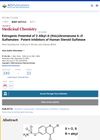
September 2003 in “Journal of Medicinal Chemistry” A substance called Compound 2g can strongly block STS (a hormone-related enzyme) without affecting estrogen levels, making it potentially good for treating breast cancer.
13 citations
,
March 1999 in “Biochemical Journal” Overexpressing SSAT in mice makes them highly sensitive to polyamine analogues, causing liver damage and high mortality.
January 1995 in “Seoul National University Open Repository (Seoul National University)” SSO helps in skin protection and keratinization.
9 citations
,
March 1993 in “Biochemical Pharmacology” Rat skin can convert minoxidil into its active form, aiding hair growth.
22 citations
,
December 2020 in “mSphere” A fungal enzyme was used to make compounds more soluble, aiding drug discovery and crop protection.
10 citations
,
December 2011 in “PubMed” Methotrexate effectively managed SAPHO syndrome symptoms when other treatments failed.
 7 citations
,
March 2013 in “Tetrahedron Letters”
7 citations
,
March 2013 in “Tetrahedron Letters” New method makes important drug ingredients more easily without needing extra purification steps.
 March 2024 in “Organic letters”
 A new method efficiently modifies alkenes to create useful medicinal compounds.
8 citations
,
January 1968 DMSO causes reversible swelling in hair but has a complex, less reversible effect on skin.
23 citations
,
November 1964 in “Journal of Dairy Science” High molybdenum and sulfate sulfur levels can cause health issues in cattle, but adding copper helps.

Antioxidant therapy, especially with selenium, can improve skin aging in patients with Metabolic Syndrome.
10 citations
,
December 1991 in “Annals of the New York Academy of Sciences” Minoxidil boosts hair growth in genetically modified mice.
13 citations
,
January 1997 in “Biochemical Pharmacology” Human liver enzyme DHEA ST helps process minoxidil.